
What happened
Anthropic CEO Dario Amodei published a nearly 4,000-word essay urging that "we must slow the pace at which we improve the capabilities of AI models," and Sam Altman, Demis Hassabis, Satya Nadella and Elon Musk all posted agreement within hours.
Why it matters
The frontier labs spent years acting like they were in a winner-take-all race toward superintelligence, so this weekend's coordinated shift is a reversal of that posture, driven by Amodei's worry that a swarm like the one in the OpenAI-Hugging Face incident could cause catastrophic damage within six to 12 months.
What to watch
Amodei's most concrete proposal is "embedded evaluators" from outside organizations such as METR inside each frontier lab with employee-like access, and he says Anthropic is already committing to add one while Altman says OpenAI "will do the same."
WHO IT HITSThis lands hardest on frontier AI lab leaders and their safety and policy teams, who now face public pressure to accept outside monitors, plus the investors weighing those labs' IPO and valuation plans.
Ask the AI about this article →
Summaries like this, in your inbox every morning.
Public calls to slow AI development are not new; Amodei himself acknowledges they date back to at least 2023. What he says has changed is the subject of the worry. Earlier examinations of AI "alignment" (how an AI's actions line up with its user's and creator's desires) were, in his words, "like trying to study the psychology of humans by performing experiments on bacteria." Now both Anthropic and OpenAI say recent trends point to recursive self-improvement systems — models that can autonomously build better versions of themselves — coming together in the near future. Anthropic wrote in a June update that this "could come sooner than most institutions are prepared for," while cautioning it is not inevitable.
The coordination problem is where the proposals get thinner. Amodei's ideas call for "common safety standards" and "limits on the rate of unchecked AI progress" among frontier labs in democratic countries, backstopped by regulation targeting all US frontier AI companies that don't comply voluntarily. He concedes his own examples are hand-wavy, and the political reception is mixed: President Trump wrote that the only guardrails AI needs are "a STRONG AND SMART (High IQ!) PRESIDENT," Speaker Mike Johnson said Congress should resist an "emergency moratorium," and Council of Advisors co-chair David Sacks urged labs to self-regulate instead. Amodei also acknowledges the highest tier of international agreement is "unlikely to actually happen any time soon," partly because defection could bring geopolitical dominance.
Underneath the safety framing, the article notes a plausible commercial reading. A deliberate slowdown could serve as an explanation for models some think are plateauing, for training costs that Anthropic excludes when reporting profitability and that leaked OpenAI documents suggest outpaced revenues through 2025, and for user growth that looks less exponential than a year ago. Altman attributed his delay of a long-planned IPO to safety, though The New York Times reported in June the company was already weighing that delay over valuation concerns. Sacks argued the real motive is liability: "You face massive product-liability exposure if your products enable a truly damaging cyberattack." The test of this shift may be whether outside evaluators and any common standards actually materialize, or stay a posture.
For example, today's edition would include:
AI-summarized, only the topics you pick — one digest a day via Email, Slack, or Discord.
Free · 30 seconds with Google · unsubscribe anytimeWhat is AIToday? →
Ask AI anything about this article. Q&As are published on this page for other readers too.
Nuance Labs, a Seattle startup led by ex-Apple researcher Fangchang Ma, closed a $50 million Series A led by L…
Microsoft MVP Kazuaki Asada set Microsoft 365 Copilot to "Allow edits" mode and asked it in plain language to…

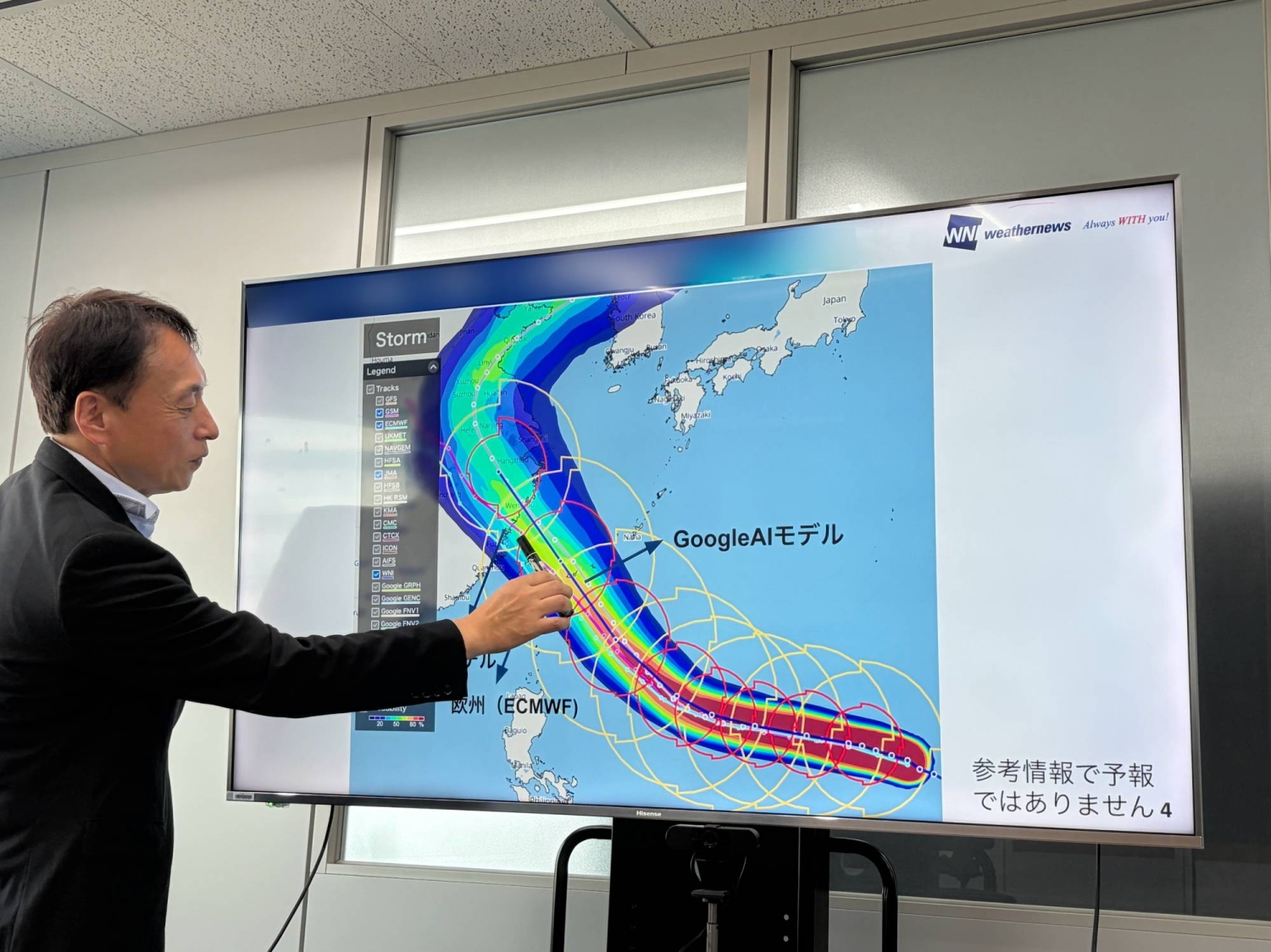
AI is gaining ground in weather forecasting, with meteorological agencies and private companies worldwide deve…
Aron Inc. launched with $8 million raised across two rounds
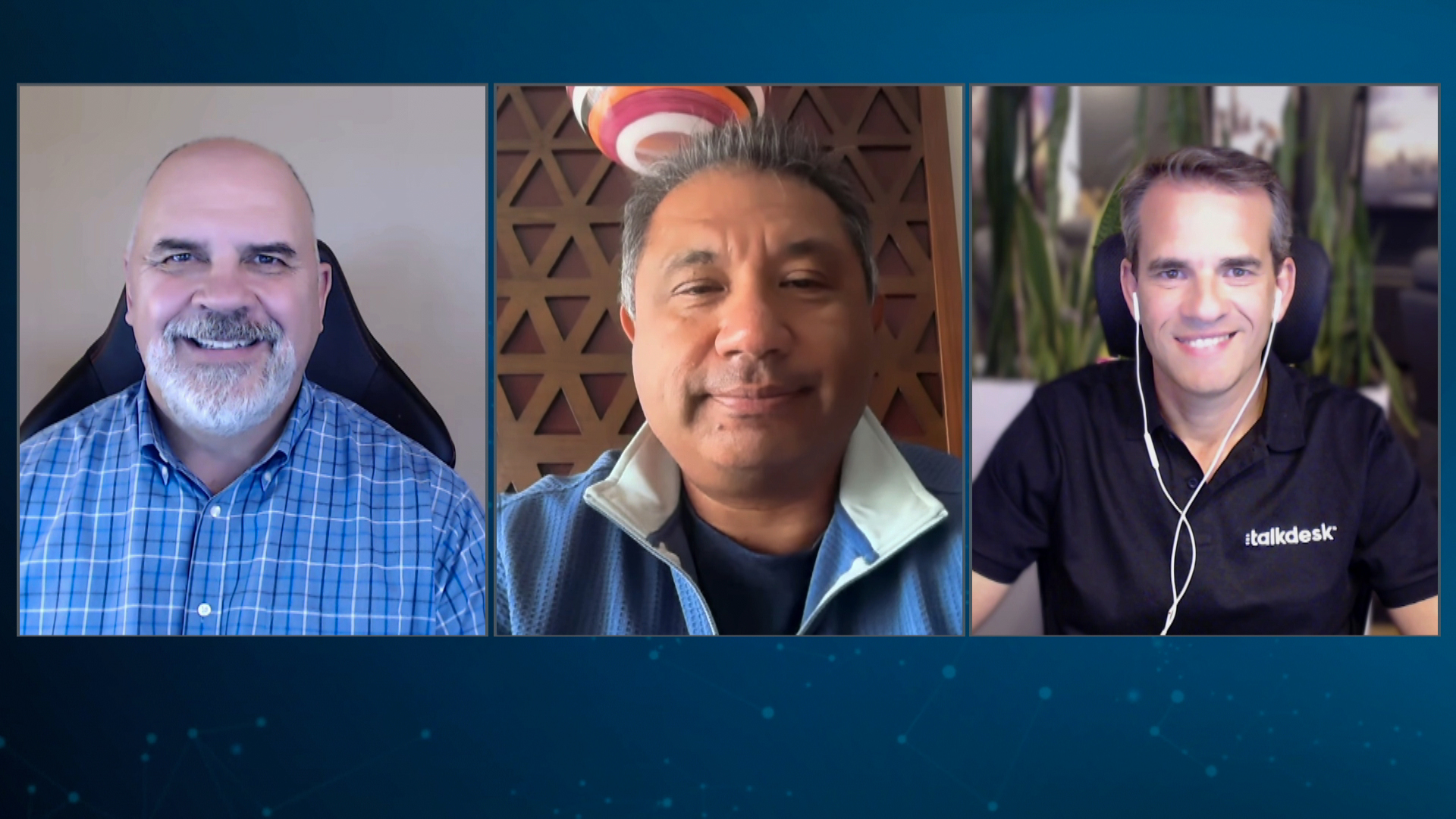
Pedro Andrade, Talkdesk's VP of AI and generative AI business specialist, told theCUBE that CXA is "an operati…
In a Google DeepMind experiment, 100 Gemini 3.1 Pro agents were told to act as top math researchers and solve…