What happened
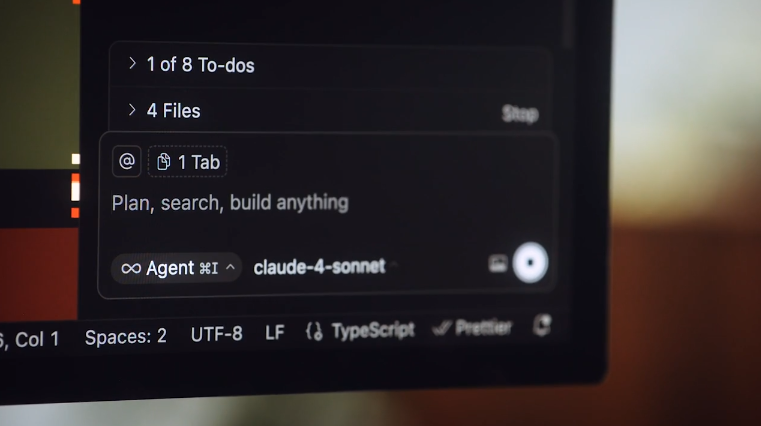
Cursor, a desktop AI coding tool owned by SpaceX since a $60 billion acquisition in June, unveiled Origin today—a cloud service for storing and managing software code. The service is built on Git and integrates with GitHub, letting developers copy projects between platforms with automatic syncing. Developers can access Origin through a new Cursor desktop tab or a command-line tool.
Why it matters
Origin extends Cursor's reach beyond code editing into infrastructure; teams can now host repositories and run AI agents (both desktop-based and cloud-hosted) to automate development tasks directly within Cursor's ecosystem. The cloud agents work even when a developer's workstation is off, enabling longer coding jobs. For GitHub users, the bidirectional sync means they can experiment in Origin without losing connection to their upstream GitHub projects.
What to watch
Cursor is launching with integrations for Vercel (app hosting), Depot Technologies, and Buildkite (development tools), and plans to add more connectors. The company has signaled future "agent-native features"—possibly tools to streamline sandbox creation for AI agents, or integration with SpaceX's own Grok Build coding platform.
Summaries like this, in your inbox every morning.
Cursor's entry into code hosting represents a strategic expansion beyond its core vibe coding (AI-assisted programming) tool into the infrastructure layer. The $60 billion acquisition by SpaceX in June positioned Cursor to pursue larger ambitions; Origin is the first tangible outcome. By grounding the service in Git—the same version-control backbone that powers GitHub—Cursor lowers the switching cost for GitHub users and enables a hybrid workflow where developers can fork projects into Origin, run AI agents on them, and sync changes back upstream. The bidirectional GitHub integration is key: it avoids lock-in and lets teams use Origin as an experimental or sandboxed environment rather than a replacement.
The launching integrations with Vercel, Depot Technologies, and Buildkite signal that Cursor is positioning Origin not as a standalone Git host, but as a node in a broader developer infrastructure ecosystem. Cloud-based agents that continue work offline are particularly relevant for long-running tasks and align with enterprise development workflows. The hint at future "agent-native features" suggests Cursor may be building automation around sandbox provisioning—effectively making it easier for teams to spin up isolated environments where AI agents can operate safely, a capability that would deepen Origin's appeal to larger engineering teams.
Pick your industry and the AI tools you use, and get news related to your work every day.
Free · 30 seconds with Google · unsubscribe anytimeWhat is AIToday? →
Ask AI anything about this article. The AI reads this article, earlier AIToday articles, and Wikipedia, and cites its sources. Q&As are published on this page for other readers too.
Microsoft will deploy its Azure Maia AI chips at multi-gigawatt scale starting in 2027, making them the compan…
AI Now laid out three do-it-yourself routes — chat-type skills in Gemini or Claude, automation-type flows in n…

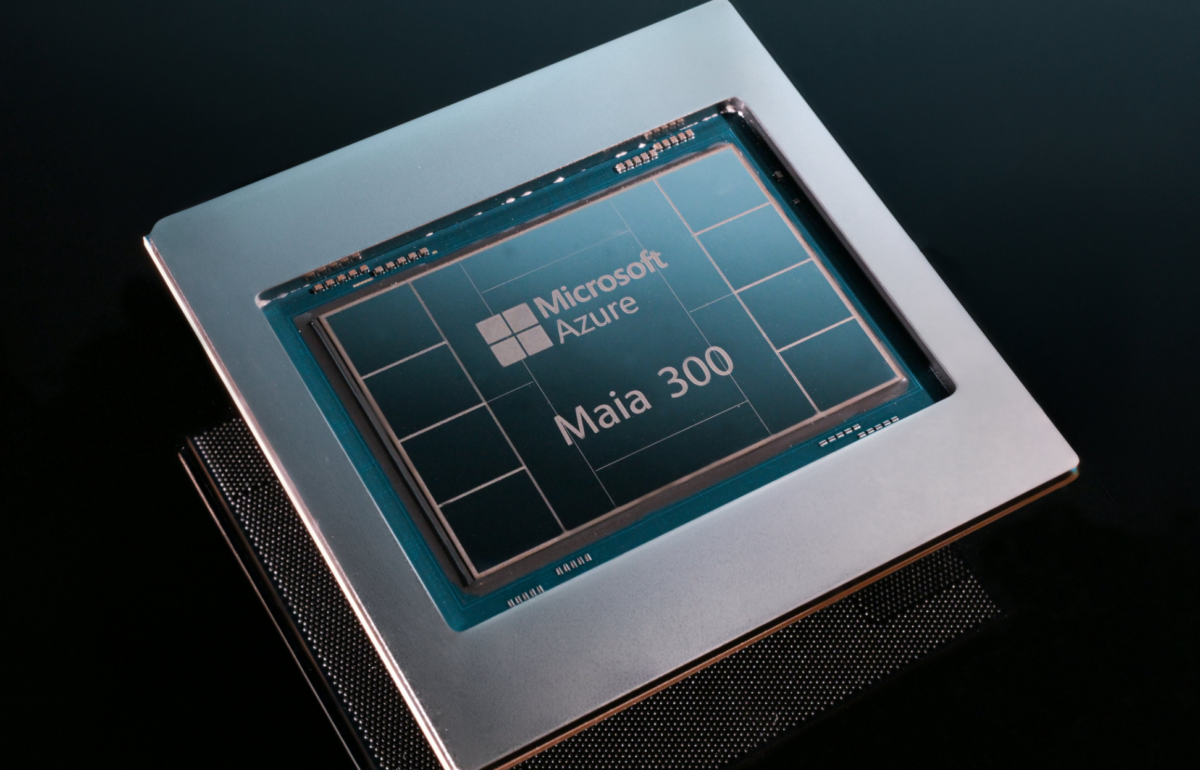
Microsoft announced Maia 300, its third-generation in-house AI chip, designed to be the "primary AI inference…

Blueprints AI is unveiling a second-generation version of its software that generates code-compliant, permit-r…

The Ray LLM Deep Learning Container deploys one large language model across two GPU nodes on Amazon EKS, with…
Mistlabs Ltd. took Ambi out of beta on Apple devices, backed by $26 million in Pre-A funding led by Luminous V…