What happened
Anthropic said its system of 950 Claude agents spent 21 hours on a molecular biology question and found repeating patterns around a known enzyme, which it linked to CRISPR — prompting biologist Lucas Harrington's viral criticism, endorsed by Eli Lilly's chairman and CEO.
Why it matters
The dispute turns on whether AI pattern-finding in DNA libraries counts as a scientific discovery, or just tedious work that leads to no breakthrough, and the disagreement has already drawn in an Eli Lilly leader.
What to watch
The fight hinges on whether AI companies set a higher bar for calling something an AI breakthrough, a change Harrington said they should make now — but the article notes Sam Altman and Dario Amodei are competing, so that standard may be a low priority.
WHO IT HITSBiologists and research teams evaluating AI systems for scientific work will need to judge whether pattern-matching results are genuine discoveries or routine analysis, while AI companies face scrutiny over how they label such claims.
Summaries like this, in your inbox every morning.
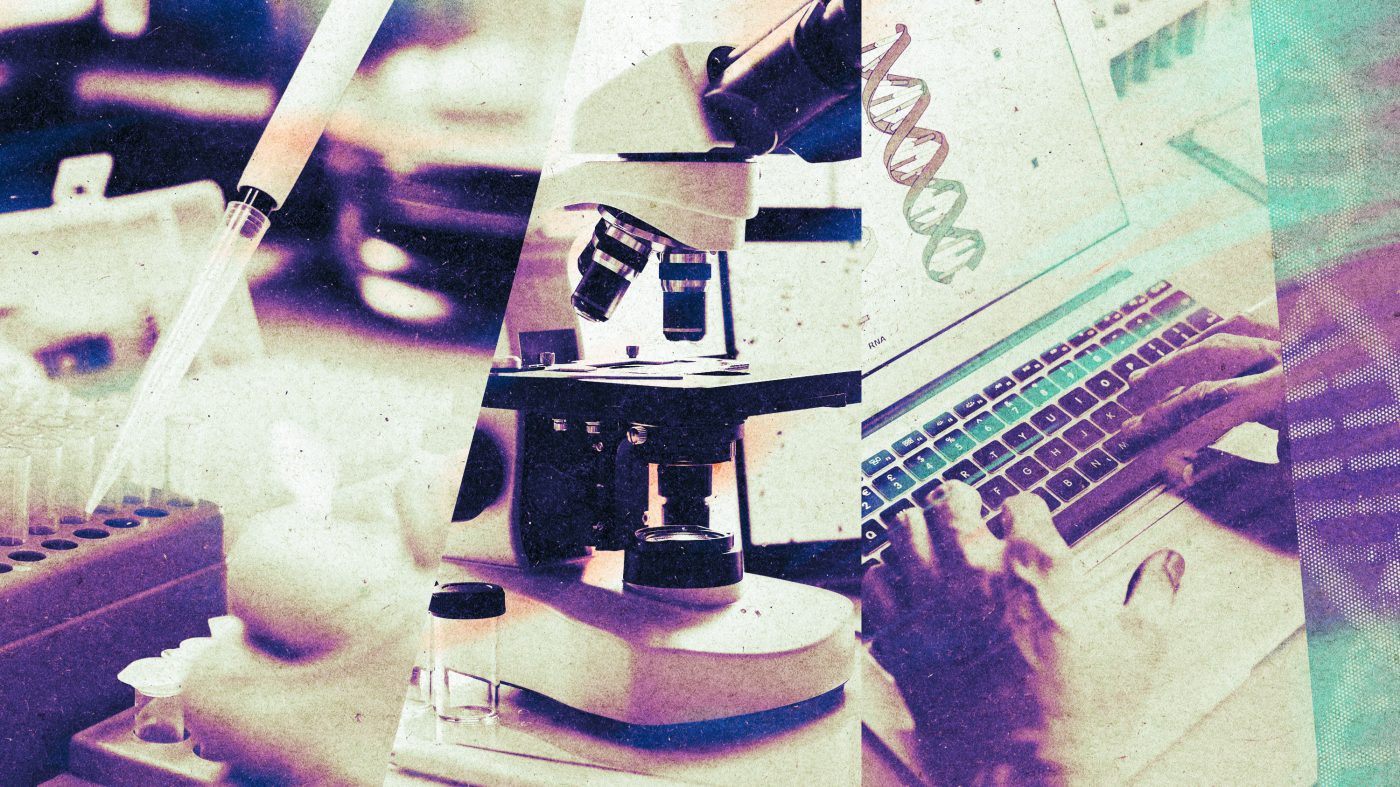
Anthropic this year launched a molecular biology lab where Claude agents read literature and propose hypotheses that human scientists then test in experiments. The company framed the September 23 result as the lab's first discovery. The finding was not a new DNA sequence, but repeated patterns around an enzyme that Anthropic linked to CRISPR, the gene-editing technology. That framing upset some biologists, including Lucas Harrington, whose post went viral and drew support from Eli Lilly's chairman and CEO. The criticism centers on the difference between finding patterns in large datasets and understanding what those patterns actually do. The article also notes that Mario Rodríguez Mestre of the University of Copenhagen said his team had already found the pattern and suggested Anthropic may have learned from his Claude conversations, which Anthropic denies. The tension reflects a broader split: AI companies present their systems as agents of discovery, while many scientists see new knowledge as emerging from collaboration and ever-growing tools. Whether the dispute shifts how such AI claims are evaluated may depend on whether companies see raising the bar as in their competitive interest, given the race between Sam Altman and Dario Amodei to outdo each other — which, the article suggests, may make higher standards a low priority.
Pick your industry and the AI tools you use, and get news related to your work every day.
Free · 30 seconds with Google · unsubscribe anytimeWhat is AIToday? →
Ask AI anything about this article. The AI reads this article, earlier AIToday articles, and Wikipedia, and cites its sources. Q&As are published on this page for other readers too.
DeepSeek is bringing more of the software it uses to develop its AI models to Huawei Technologies' Ascend 950…
Nvidia released the Open Agent Safety Platform on September 28, days after CEO Jensen Huang called warnings fr…
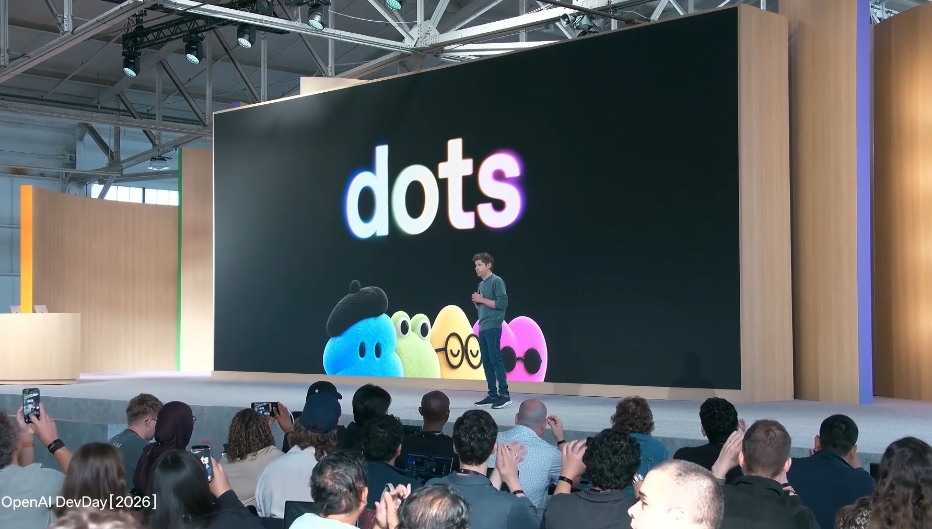
OpenAI launched Dots — agents on GPT-6 Astra, each running on its own cloud computer and connecting to 4,000+…
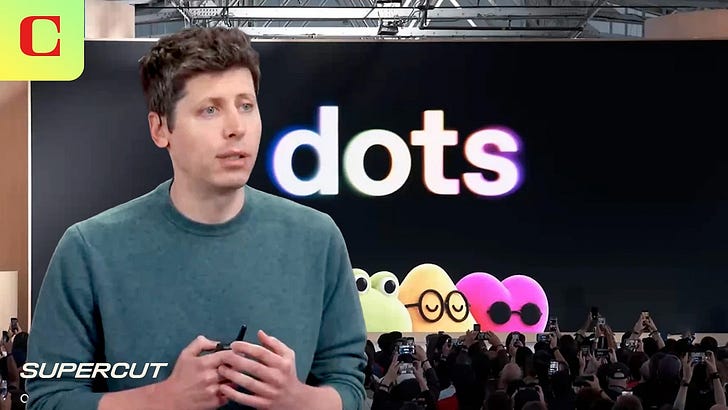
OpenAI released Dots, an always-on agent running autonomously in the cloud on GPT-6 Astra, connecting to over…
OpenAI announced dots, an always-on agent running GPT-6 Astra with its own cloud computer and browser, able to…
Anthropic published a September 29, 2026 review finding Z.ai's downloadable GLM-5.3 built working exploits in…