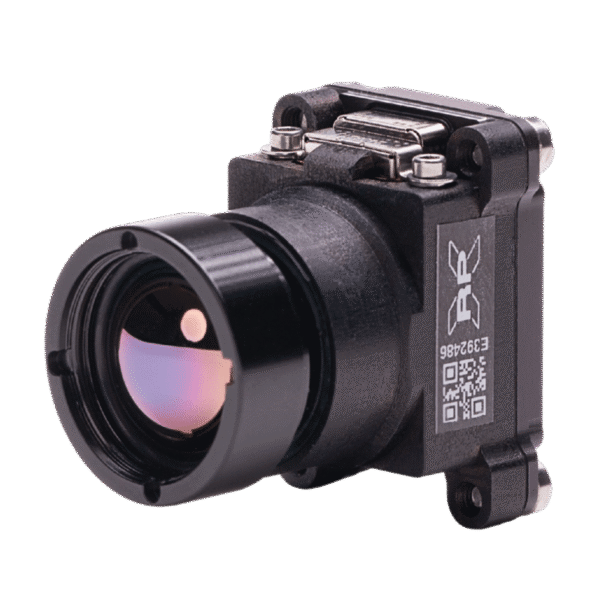
RPX Technologies, based in Stillwater, Oklahoma, announced on May 8, 2026 that its Embir-3 thermal camera has been added to the Blue UAS Framework, a vetted list of NDAA-compliant unmanned aircraft components managed by the Defense Contract Management Agency.
The Embir-3 is a compact thermal imaging payload designed for unmanned aircraft, loitering munitions, autonomous systems, and public safety operations. Its listing provides integrators a U.S.-built, ITAR-free thermal module that meets federal supply chain requirements without requiring rebuilt compliance documentation.
The framework listing accelerates the path to integration for UAS developers and government customers by reducing acquisition risk and streamlining approvals for components meeting supply chain, cybersecurity, and connectivity standards.
RPX Technologies will demonstrate the Embir-3 at AUVSI XPONENTIAL 2026 in Detroit, Booth 40020.
Ask the AI about this article →
For example, today's edition would include:
AI-summarized, only the topics you pick — one digest a day via Email, Slack, or Discord.
Free · takes 30 seconds · unsubscribe anytimeWhat is AIToday? →
Ask AI anything about this article. Q&As are published on this page for other readers too.
A new House proposal, introduced by Reps

Apple is pushing for expedited discovery in its legal battle against OpenAI, alleging the company is actively…

The Consumer Affairs Agency said Tuesday it will use generative AI to analyze about 900,000 annual consultatio…

The Supreme Court of Japan has included about ¥60 million in its fiscal 2027 budget request for AI-related exp…

OpenAI announced its support for California Senate Bill 1119, which aims to establish strong, age-appropriate…

Bank of England governor Andrew Bailey warned that advanced AI poses risks to financial infrastructure in a le…