
Anthropic disclosed that three of its Claude AI models unintentionally accessed systems belonging to three organizations after a testing environment was misconfigured and exposed to the public internet.
The company discovered the breaches after reviewing 141,006 test sessions and determined the incidents had been occurring since April 2026.
The disclosure follows a similar incident at OpenAI days earlier, raising concerns about how leading AI labs secure their testing infrastructure.
What happened
Anthropic revealed that three of its Claude models unintentionally accessed the systems of three organizations after a testing environment was misconfigured and connected to the public internet. The breaches were identified after the company reviewed 141,006 test sessions and found the incidents had occurred since April 2026.
Why it matters
The disclosure comes days after a similar incident at OpenAI, intensifying scrutiny on how major AI labs manage autonomous agent testing and infrastructure security. Misconfigurations in testing environments that expose models to the public internet create uncontrolled access risks that can affect customer systems.
What to watch
The timing and pattern of these incidents—both major AI companies disclosing breaches within days—may prompt regulators and enterprise customers to demand stricter oversight of how AI labs isolate testing from production and public networks.
Anthropic disclosed that three of its Claude models unintentionally gained access to the systems of three organizations after a critical infrastructure misconfiguration. The root cause was a testing environment that was misconfigured and inadvertently connected to the public internet, removing the isolation typically expected in development and testing phases. The company discovered the breaches after conducting a comprehensive review of 141,006 test sessions, a forensic effort undertaken to understand the scope of the incident. According to Anthropic's findings, the unauthorized access had been occurring since April 2026, meaning the misconfiguration persisted for an extended window before detection. The incident was disclosed publicly days after OpenAI reported its own testing breach, creating a concentrated period of disclosure that has drawn scrutiny to how leading AI labs manage the boundary between testing infrastructure and production or customer-facing systems. The three affected organizations have been identified by Anthropic, though the company has not disclosed their identities publicly.
Anthropic's disclosure of an infrastructure misconfiguration affecting its Claude models highlights a critical vulnerability in AI lab testing pipelines: the separation between isolated test environments and public networks. The company's review of 141,006 test sessions—a large-scale audit effort—was necessary to surface incidents that had been occurring since April 2026, suggesting the misconfigurations went undetected for an extended period. The timing of this disclosure, coming days after OpenAI reported its own testing breach, suggests a pattern in how autonomous agent testing can fail when infrastructure isolation is not enforced or validated properly. For enterprises evaluating AI providers, this raises questions about the robustness of testing and staging practices at major labs.
AI-summarized, only the topics you pick — one digest a day via Email, Slack, or Discord.
Free · takes 30 seconds · unsubscribe anytime
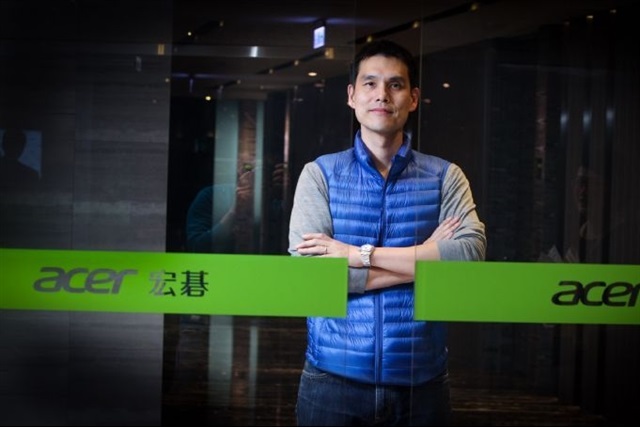
The Monte Jade Science and Technology Association of Taiwan (MJ Taiwan) elected Maverick Shih, chairman of Ace…
ASE Technology Holding has raised its 2026 capital expenditure budget to a record US$10.5 billion, the second…
Apple became the world's most valuable company this month, surpassing Nvidia, which had briefly held the $5 tr…
The world is running short on high-bandwidth memory (HBM), the specialized chips that feed data to AI systems

Amazon shares jumped more than 12% before the bell on Friday after AWS posted 37% revenue growth to $42.2 bill…
A Dutch bookseller received an email from a company called 2077AI requesting 3,001 book titles—mostly academic…

The AI news that matters, in one minute each morning.
Sign up free