What happened
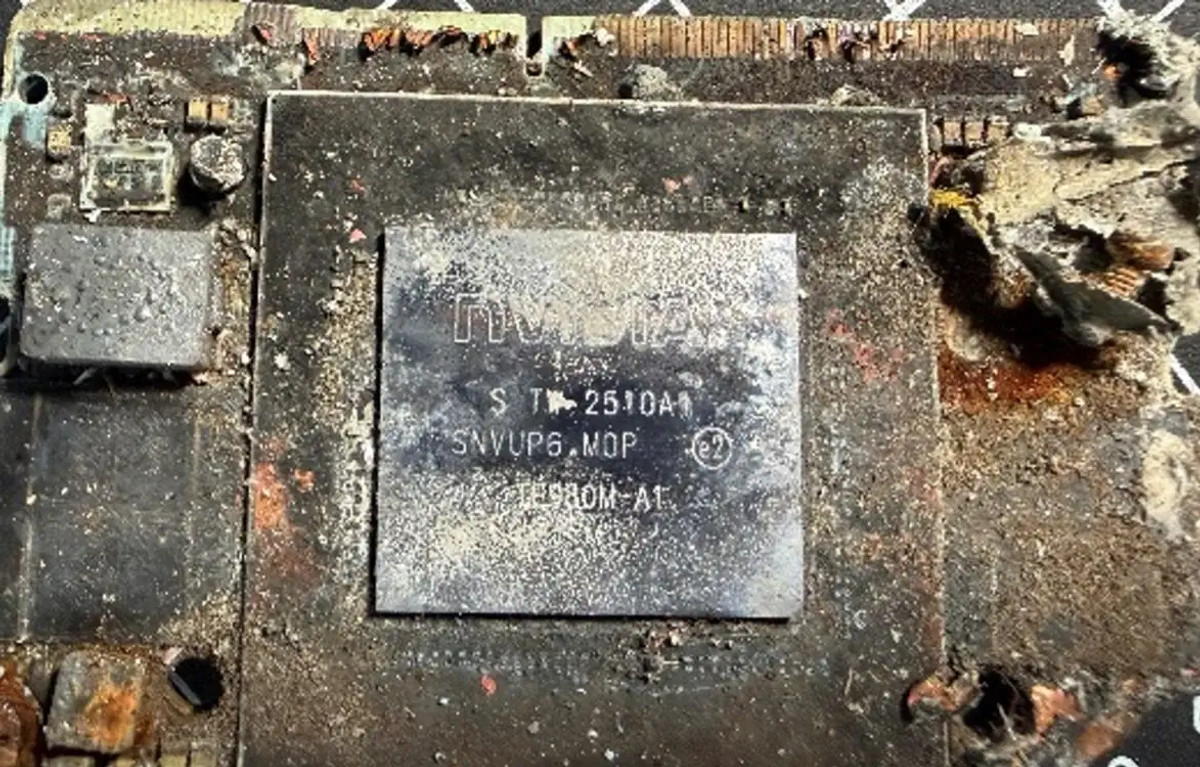
Ukraine's military intelligence (HUR) identified an Nvidia Jetson Orin computer module inside Russia's new S-71 Monochrome air-launched cruise missile on Wednesday, Aug. 12. The finding was published in the HUR's War&Sanctions portal, which documents foreign electronic components in Russian weapons. The agency said the use of the computer module may indicate the integration of artificial intelligence technologies into the missile.
Why it matters
The discovery underscores Russia's continued dependence on foreign high-tech components despite two years of international sanctions. According to the HUR, Russia has still been unable to fully replace foreign components with domestic alternatives, meaning Western export controls on advanced semiconductors remain a potential lever for Ukraine and its allies to degrade Russian weapons capability.
What to watch
The HUR has identified 35 electronic components in Russian weapons as part of its ongoing effort. Ukrainian specialists continue to examine captured Russian weapons and trace the origins of their electronic components to help identify critical foreign technologies used in Russian weapons and strengthen measures to prevent those components from reaching Russia.
Summaries like this, in your inbox every morning.
Ukraine's discovery of a commercial Nvidia AI chip in a new Russian cruise missile reveals the depth of Russia's technological constraints under international sanctions. The HUR's War&Sanctions portal has systematically documented foreign components in Russian weapons over two years, and this Jetson Orin finding fits a broader pattern: despite the intensity of the conflict and the scale of Russia's military production, Moscow cannot reliably source domestic replacements for advanced semiconductors and other critical electronics. This is not a one-off discovery but part of a documented inventory that includes radar systems, cameras, and processors across multiple weapon platforms—drones, missiles, and aeroballistic systems. The significance lies not in any single component but in the strategic implication: Russia's weapons ecosystem remains vulnerable to export controls, and tightening those controls (or enforcing existing ones more strictly) could impose a real production ceiling on Russian arms manufacturing. The HUR explicitly framed the discovery as an argument for "increased sanctions pressure and coordination," positioning Ukraine and its allies to use supply-chain disruption as a countermeasure to Russian military capacity.
Pick your industry and the AI tools you use, and get news related to your work every day.
Free · 30 seconds with Google · unsubscribe anytimeWhat is AIToday? →
Ask AI anything about this article. The AI reads this article, earlier AIToday articles, and Wikipedia, and cites its sources. Q&As are published on this page for other readers too.
Skild AI used Nvidia Isaac Sim to give its S1 model one objective — score a goal — and let it compete against…
Yamazaki Mazak and ABEJA said on the 16th they will start joint development of physical AI, using ABEJA's ABEJ…
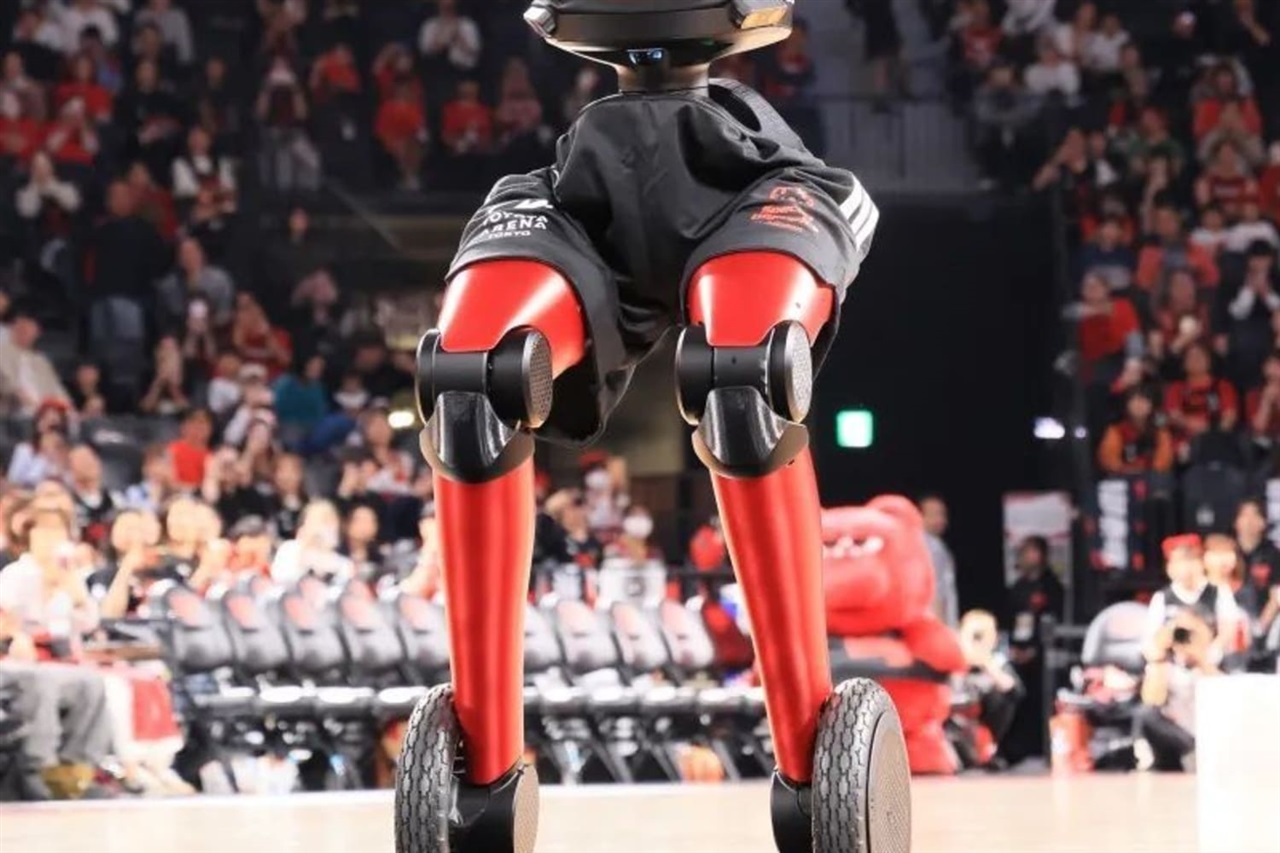
Toyota Motor's Japan Mobility Show Bizweek 2026 booth centers on its AI basketball robot CUE7, has no other ex…
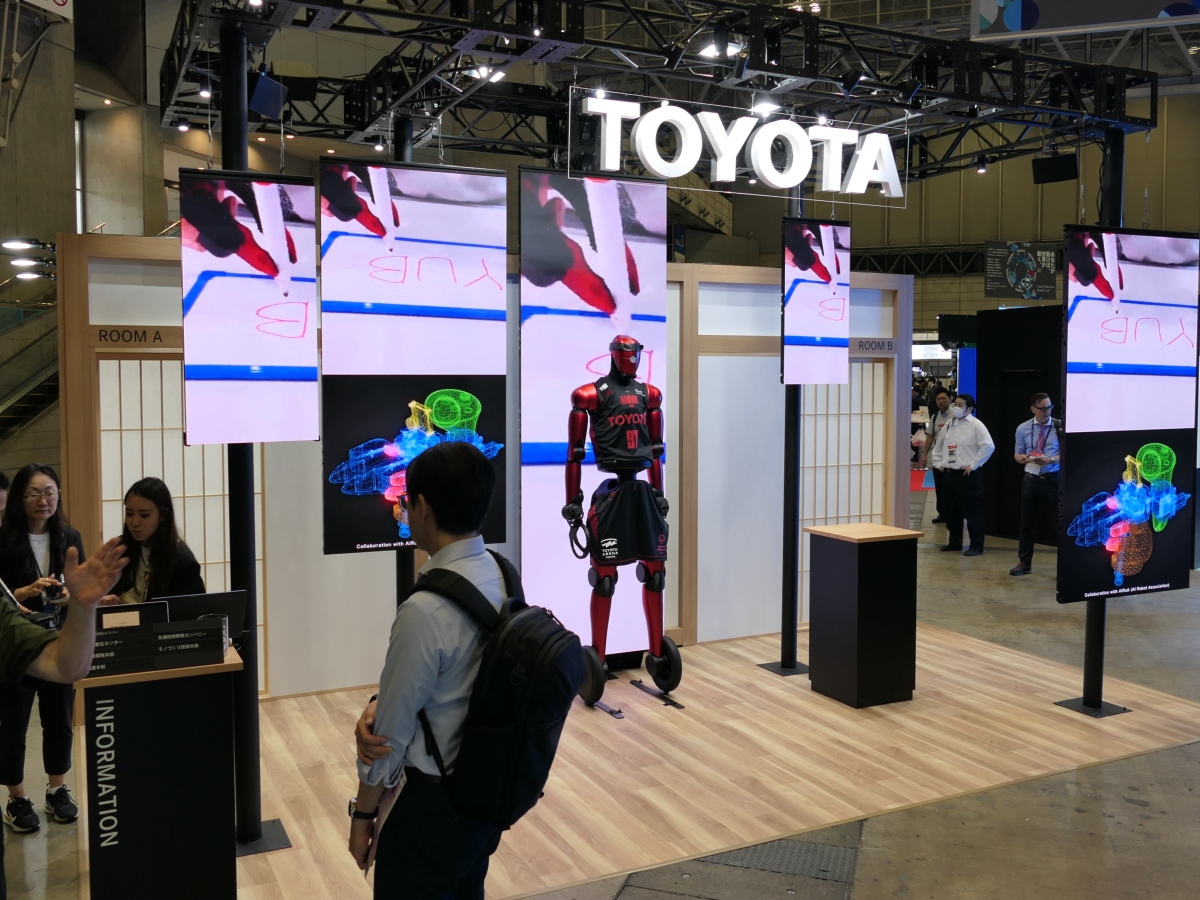
Japan Mobility Show Bizweek 2026 showcased Physical AI applications, including Toyota's basketball-playing rob…
Google pitched Gemini 4 Argon as one model for robot control, simulation and training-data review, saying it s…
Researcher Sammy Azdoufal discovered Energize Lab's Eiliko robot stores 13 million conversations from 68,000 t…