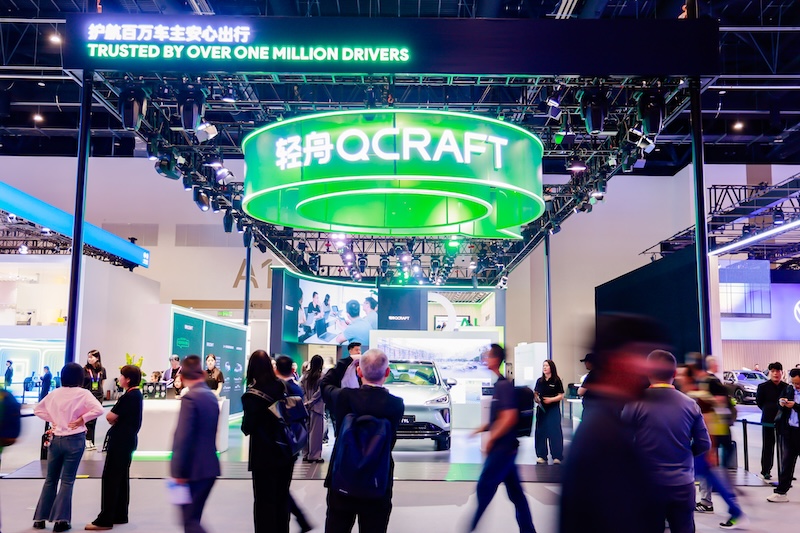
QCraft announced the QCraft Physical AI Model at Beijing Auto Show, positioning the company's future in Physical AI systems that perceive, reason about, and act in real-world environments, rather than autonomous vehicles alone.
The unified architecture combines World Models (which generate rare and dangerous driving scenarios in simulation using natural language commands) with a Vision-Language-Action model and Reinforcement Learning algorithms, transferring learned capabilities from simulation to production vehicles.
QPilot MAX, a city-level Navigate on Autopilot solution, is deployed across 25 production models from China's largest OEM automotive manufacturer, with 50 additional models expected this year; its Automatic Emergency Braking system has a false activation rate of one per 500,000 kilometers.
Summaries like this, in your inbox every morning.
Pick your industry and the AI tools you use, and get news related to your work every day.
Free · 30 seconds with Google · unsubscribe anytimeWhat is AIToday? →
Ask AI anything about this article. The AI reads this article, earlier AIToday articles, and Wikipedia, and cites its sources. Q&As are published on this page for other readers too.
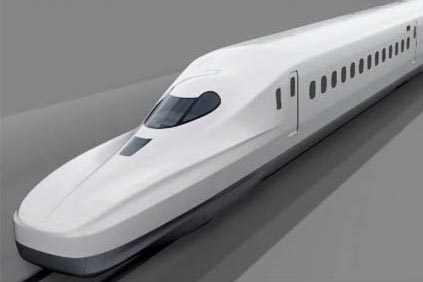
JR Central announced the S0系 on October 16, its first full model change since the N700S, with commercial servi…
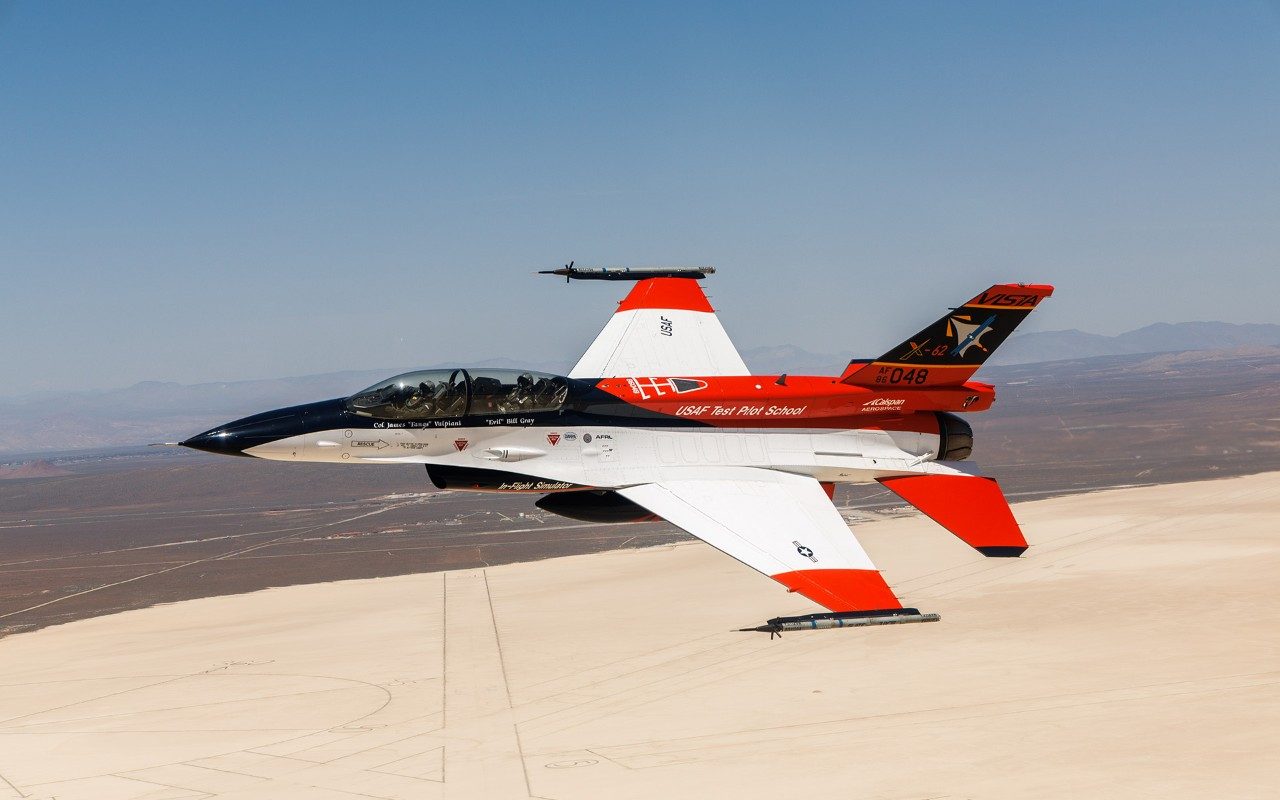
The Air Force upgraded the X-62 VISTA with advanced radar, expanded sensors and computing, and modern network…
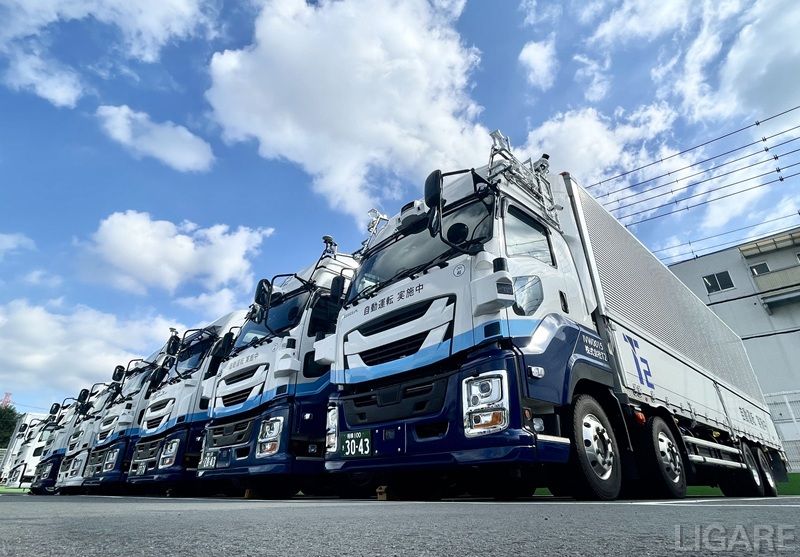
T2 said it will join ENEOS and others in the Agency for Natural Resources and Energy's demonstration project f…
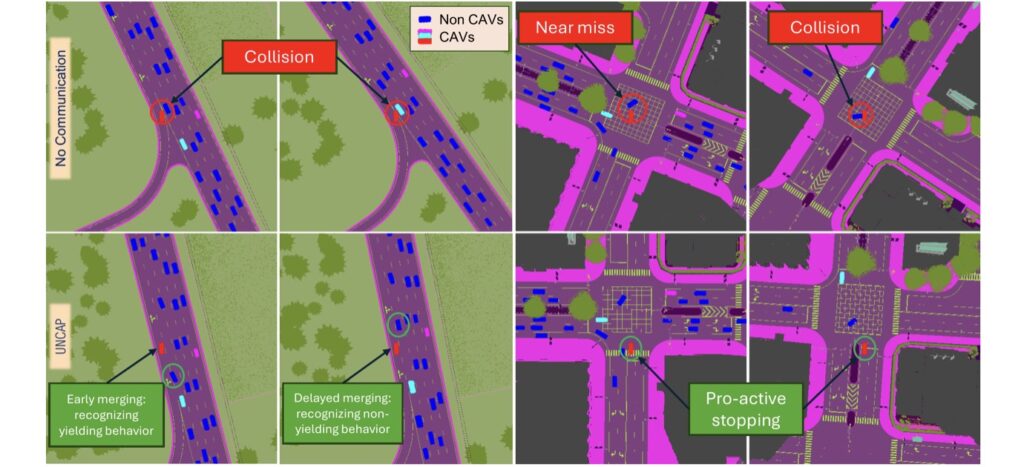
Researchers present neurosymbolic planning using natural language communication for cooperative autonomous veh…
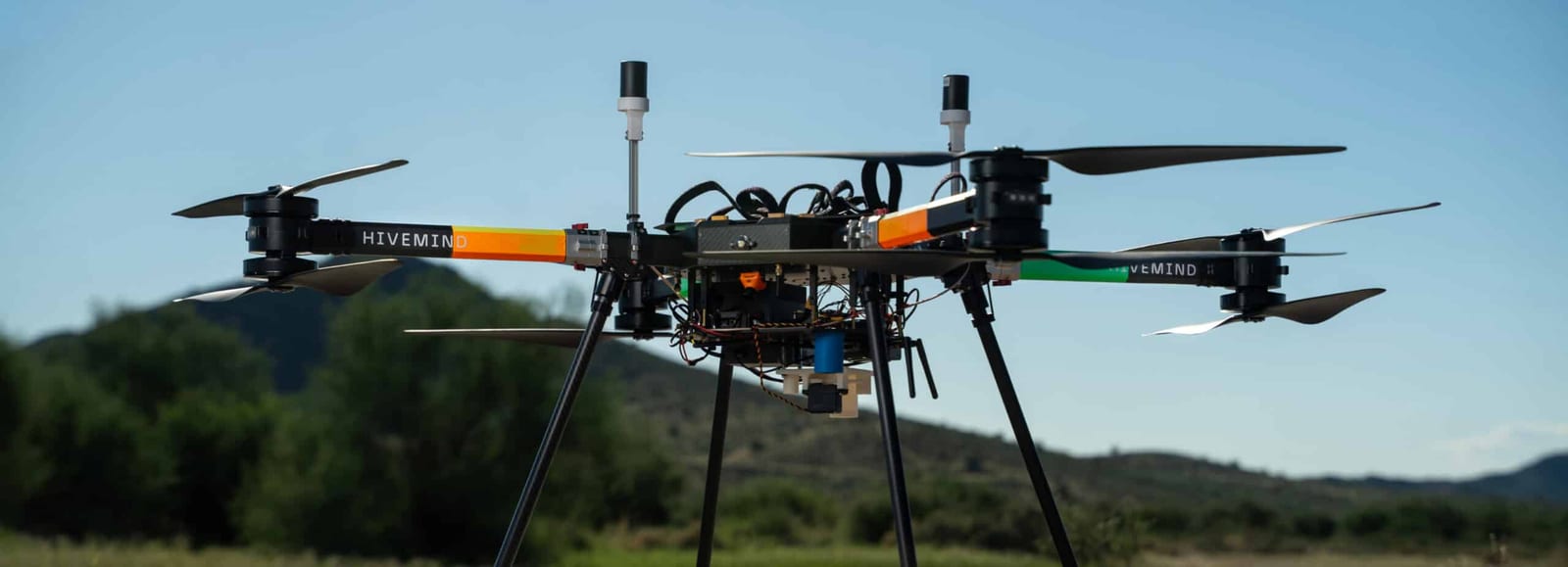
Honeywell Aerospace flew a BFD-SE8 autonomously in mid-June, six weeks after starting Shield AI's Hivemind Ent…
Sony will exhibit at CEATEC 2026, held October 13–16 at Makuhari Messe in Chiba, under the theme "Where Ideas…