What happened
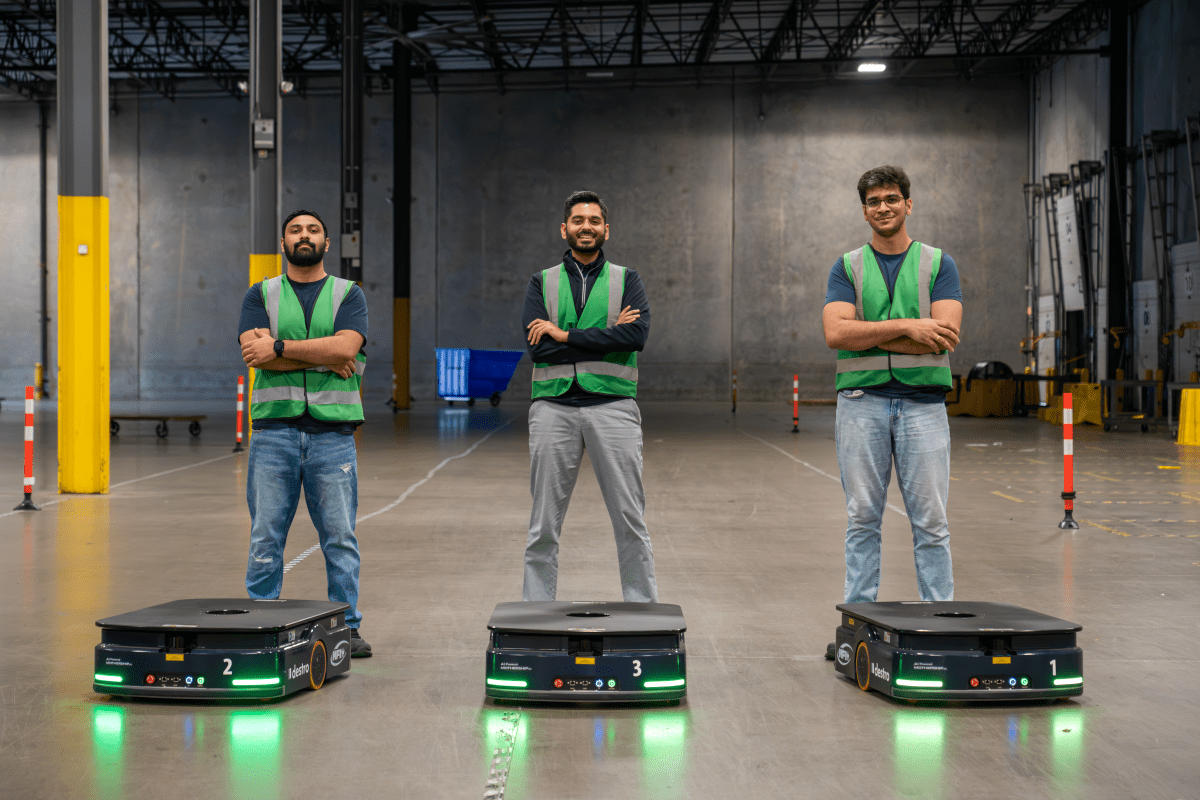
Destro came out of stealth Tuesday with an $8 million seed round led by Base10 Partners and Bonfire Ventures, and is expanding a Yusen Logistics pilot from three cart-moving robots to a 26-robot deployment.
Why it matters
Destro is not a robot maker; it sells an AI layer that tells robots as well as human workers what to do. Yusen chose it over two other robot startups that could not manage the whole cross-dock workflow, according to the company.
What to watch
Destro's copy-paste plan hinges on whether generic robot bodies and open-weight models can handle tasks needing more dexterity. Founder Manthan Pawar said he expects to be cash-flow positive at the end of this year.
WHO IT HITSWarehouse and cross-dock operators running mixed-load logistics are the buyers here — they can now add automation without buying a proprietary robot fleet. Robotics and foundation-model builders may see a new orchestration layer sitting between their hardware and customers.
Summaries like this, in your inbox every morning.
Destro's pitch rests on a counterintuitive bet: the hard part of logistics robotics is not the robot but the orchestration. Most startups in the space chase better form factors or smarter AI models, while Destro built a layer that coordinates the human worker, the cart, and the trucks under one system. Founder Manthan Pawar, an NYU Tandon robotics master's graduate with roughly eight years in the U.S. supply chain industry, argues this is why Destro can win against robotics companies despite not being one.
The company's path to Yusen ran through an unexpected source. Richard Brunelle, automation director for Yusen Logistics' American logistics group, was wrestling with cross-docking rather than Destro's original picking-and-pack focus when he met Pawar. He asked whether Destro would adapt its solution for the cross-dock environment, and the startup agreed nobody was addressing that space and modified its tool. Yusen had also spoken with two other big-name robot startups: one could move carts point-to-point but not manage loading or unloading, and the other required a person to handle all the orchestration. Destro won on its ability to apply autonomous direction to the whole process.
The open question is dexterity. Generic robot bodies and open source models have not proven capable at workflows requiring more manipulation, and it is not clear whether foundation-model builders, ultra-dexterous hand makers, or general-purpose humanoid companies will make those tools available to a company like Destro rather than capture the business themselves. Whether Destro's harness strategy keeps its value as those layers mature is likely to determine how far the copy-paste plan travels.
Pick your industry and the AI tools you use, and get news related to your work every day.
Free · 30 seconds with Google · unsubscribe anytimeWhat is AIToday? →
Ask AI anything about this article. The AI reads this article, earlier AIToday articles, and Wikipedia, and cites its sources. Q&As are published on this page for other readers too.
DIGITIMES reported the SiC substrate market is finally seeing signs of recovery, after prices collapsed when w…
HENNGE said on October 1 it set up HENNGE AI, a subsidiary with only two directors and no other employees, whe…

Pershing Square sold its entire Alphabet stake and topped off Microsoft while it sat about 20% below its Q2 hi…

Aolani will integrate Karman's power orchestration platform, built on a custom NVIDIA Jetson Orin Nano and tar…

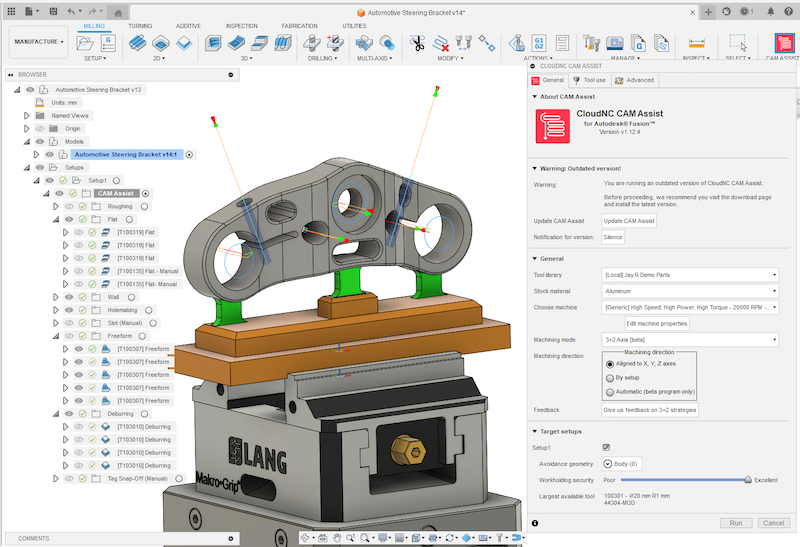
CloudNC raised $20 million led by Nimble Ventures, with Calculus Venture Capital, Entrepreneur First and LM Ve…
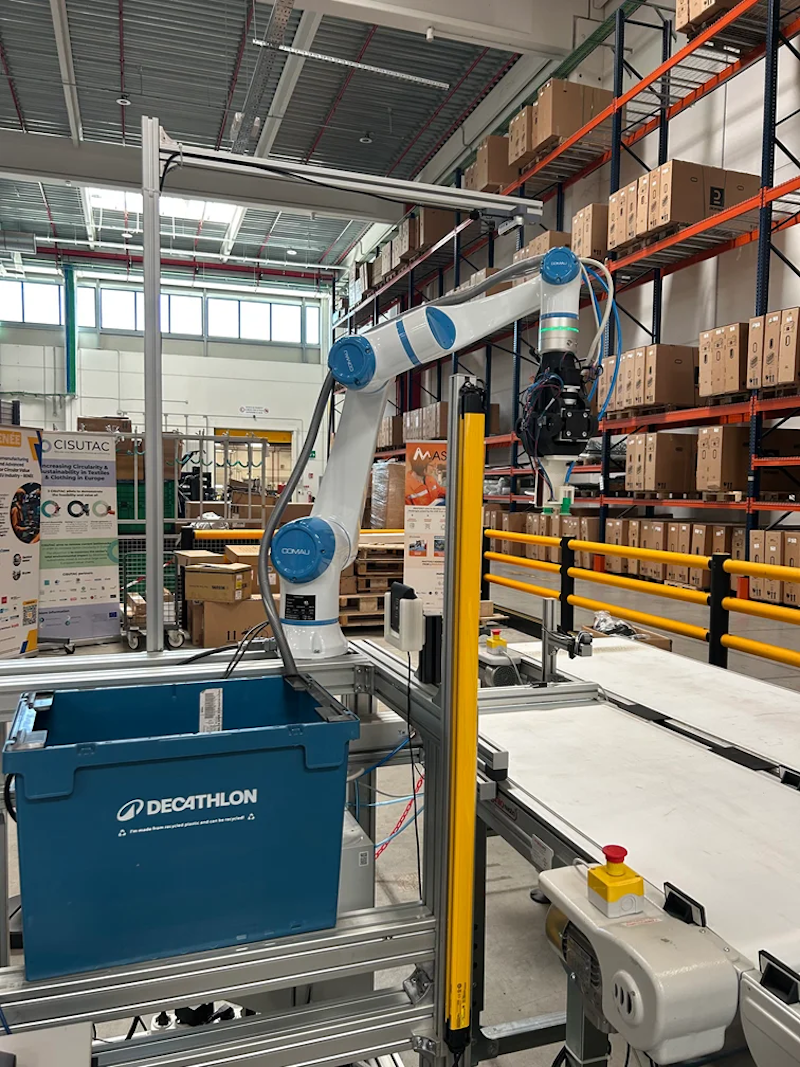
Comau designed and validated an order preparation solution tested within Decathlon's e-commerce fulfillment op…