What happened
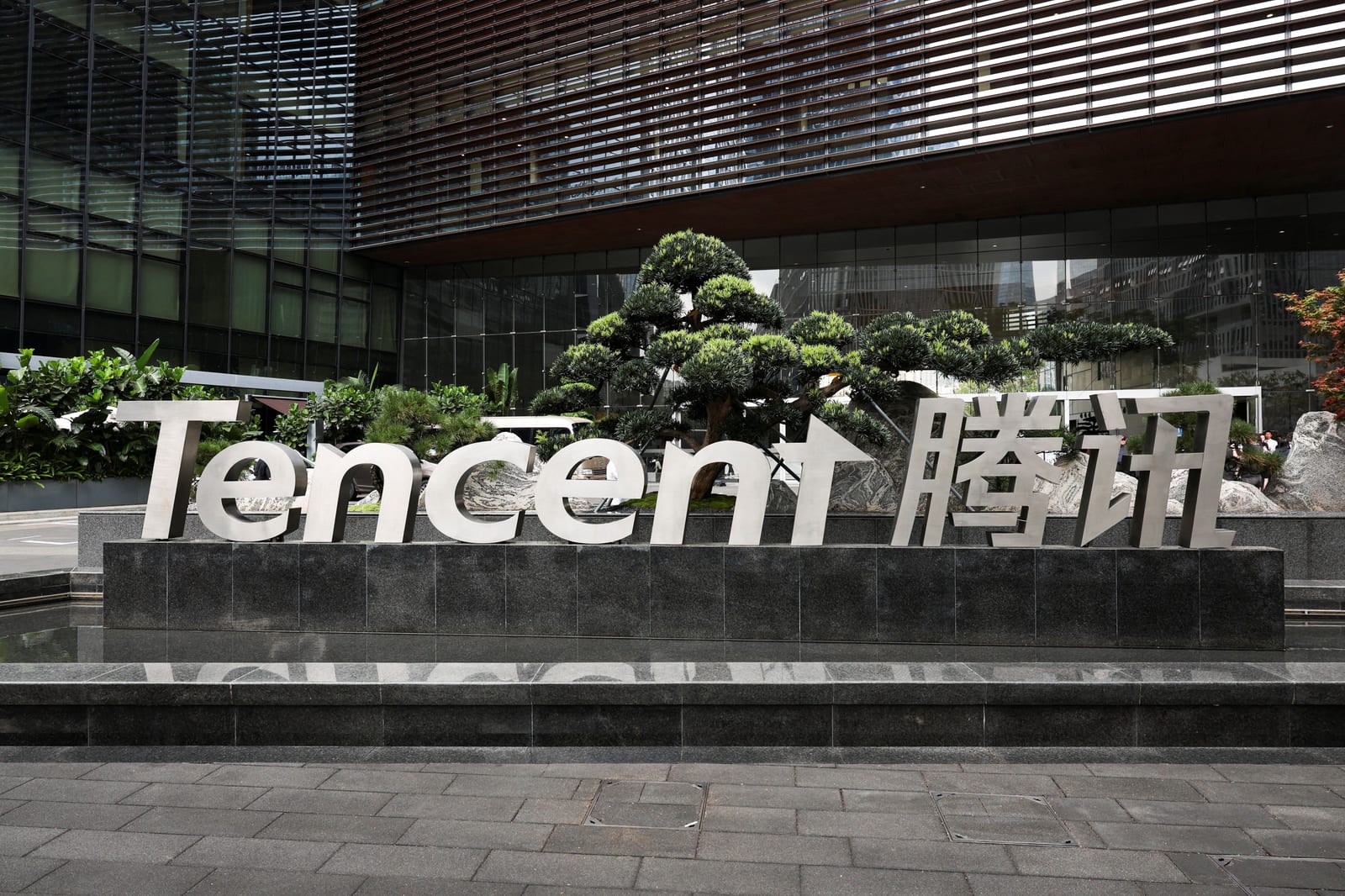
OpenAI's dots and Meta's Muse start as assistants, then use other companies' websites and services. Tencent's Xiaowei, built into WeChat, can place orders from businesses already on the app.
Why it matters
The super-app model keeps agents inside one platform, and other platforms have blocked outside agents, which may limit how useful they become.
What to watch
Tencent earns no new fees from Xiaowei purchases, and early tests show mistakes; Muse has already been blocked by Amazon.
WHO IT HITSThis matters to product teams at consumer platforms deciding whether to build agents inside a walled garden or send them out across the open web, and to merchants whose platforms may or may not allow outside agents in.
Summaries like this, in your inbox every morning.
The two camps are chasing the same prize — getting AI agents into everyday use — but from opposite directions. OpenAI and Meta put the assistant at the center and send it out to other companies' websites and services, which requires users to hand over access to private systems. Chinese players such as Tencent's Xiaowei instead sit inside a closed super-app like WeChat, where consumers already handle much of daily life, so the agent can order from businesses that are already on the app.
That closed approach comes with its own costs. The Hello China Tech newsletter noted that Xiaowei's strategy may not translate into revenue, since Tencent earns no new fees from purchases and early tests show it making mistakes. And because Xiaowei can only assist with what's available inside WeChat, while other Chinese platforms have blocked outside agents, the super-app model may limit how useful Chinese agents can become.
The Western approach is no cleaner. Meta's Muse has already been blocked by Amazon, and both dots and Muse require users to turn over access to private systems — so the seamlessness promised by either camp looks unlikely in the near term. What the popularity of these agents does suggest is that markets are watching closely to see which model produces something people actually rely on.
Pick your industry and the AI tools you use, and get news related to your work every day.
Free · 30 seconds with Google · unsubscribe anytimeWhat is AIToday? →
Ask AI anything about this article. The AI reads this article, earlier AIToday articles, and Wikipedia, and cites its sources. Q&As are published on this page for other readers too.
Dan Niles said on CNBC that Meta could build a public cloud as its next big business, noting Google, Microsoft…

Nvidia-backed Reflection AI and French lab Mistral unveiled new open-source models this week, Beam and Le Chon…

Higgsfield updated its AI influencer tool so users can insert a custom character into existing videos, as the…

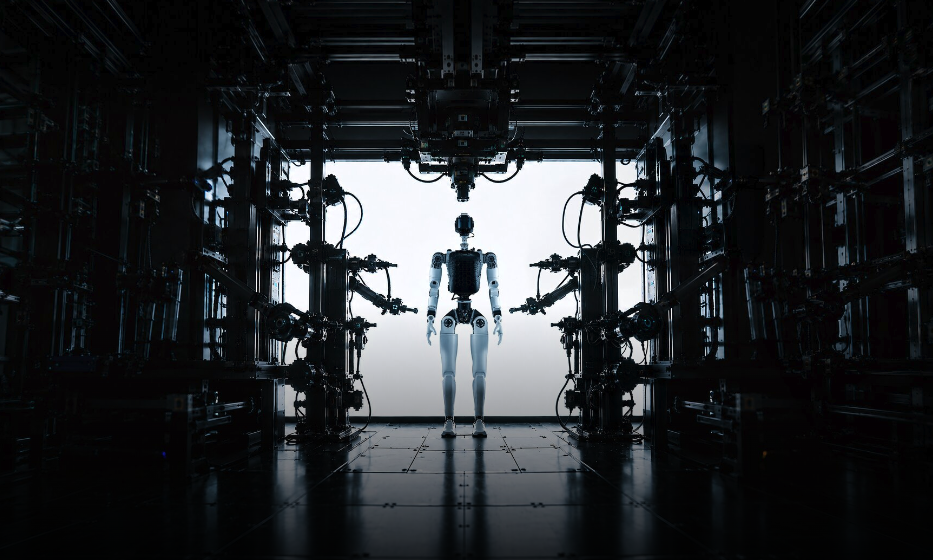
Faraday Future plans a US robotics factory online by the end of 2026, with the first "Built in USA" robot due…
Biohub is coordinating a $1.8 billion effort to train AI models that predict cell behavior, with Meta, Google…
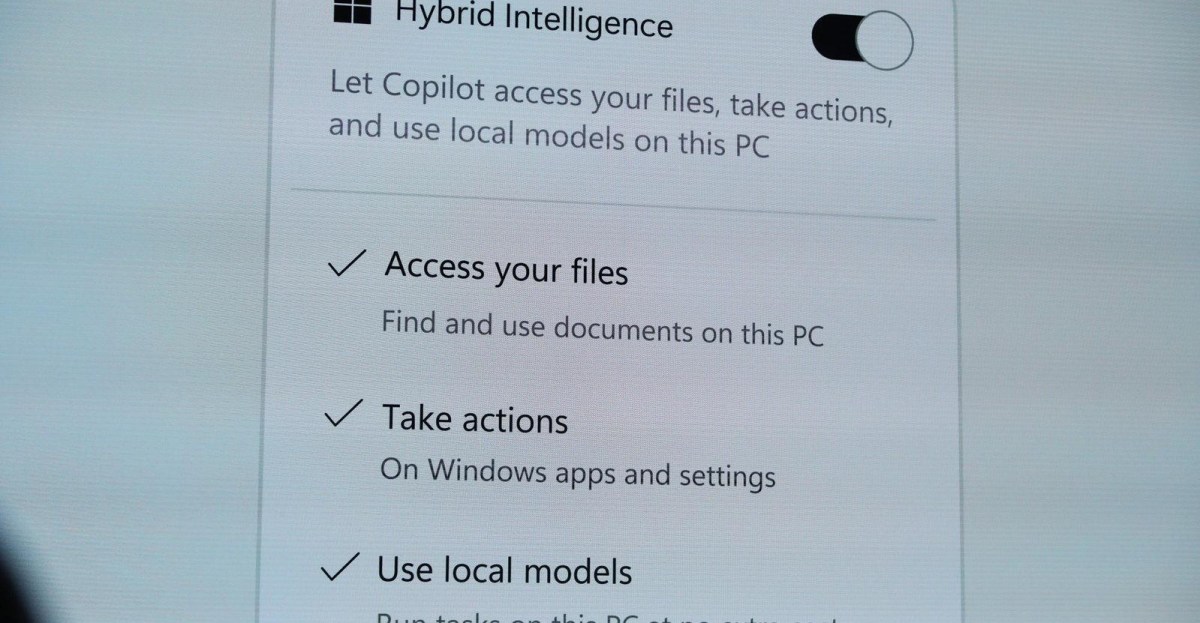
Microsoft showed Copilot gaining access to local files and the ability to act across the OS