What happened
IBM's study found critical thinking is a top capability for an AI-enabled workplace, but 3 out of 4 employees say it and human judgment are beginning to erode due to AI.
Why it matters
The erosion of critical thinking and human judgment is starting to show up as employees question the reliability of AI-driven decisions, which could slow adoption generally.
What to watch
The stakes hinge on whether employers act on IBM's recommendations, such as rotations and supervised decision-making; watch for follow-up studies on younger employees' skills.
WHO IT HITSThis lands on HR leaders and learning-and-development teams who design training and career paths, as the study points to early-career programs like rotations and coaching as ways to rebuild critical thinking.
Summaries like this, in your inbox every morning.
IBM's report arrives as multiple recent studies raise alarm about AI's effects on human cognition. The University of Bath said earlier this year that as workers use AI for various processes rather than engaging directly, they may lose familiarity and expertise. Cangrade's 2026 report found younger workers had below-average critical thinking, attention to detail, and problem-solving skills. A multinational group of researchers warned in August that managers may experience "epistemic de-skilling" from overreliance on generative AI, leaving them less able to build moral insights and contextual understanding.
The IBM study adds a workplace-specific angle: 80% of CHROs surveyed said AI adoption creates "invisible" work such as validating recommendations and fixing errors. Nearly half of employees agreed AI added to their workloads, yet significantly fewer said managing the tech's outputs would be an important future skill. IBM's recommended fixes—rotations, supervised decision-making, coaching, earlier customer exposure—point to a view that judgment must be deliberately rebuilt.
The stakes may hinge on whether employers treat these findings as a training problem or a workflow design problem. If judgment is embedded in work, 62% of CHROs reported increased employee confidence in AI-enabled decisions; without it, 57% reported declining confidence. For HR leaders, the test is whether early-career programs can offset the erosion employees themselves are reporting. This pattern is likely to influence how companies structure AI rollouts and where they invest in skills development.
For example, today's edition would include:
AI-summarized, only the topics you pick: one digest a day via Email, LINE, or Slack.
Free · 30 seconds with Google · unsubscribe anytimeWhat is AIToday? →
Ask AI anything about this article. The AI reads this article, earlier AIToday articles, and Wikipedia, and cites its sources. Q&As are published on this page for other readers too.
Google's Project Suncatcher will send an experimental satellite via SpaceX next week, carrying TPUs able to ha…

Okta announced Monday it is collaborating with CrowdStrike, Google Cloud, Salesforce and others to launch the…

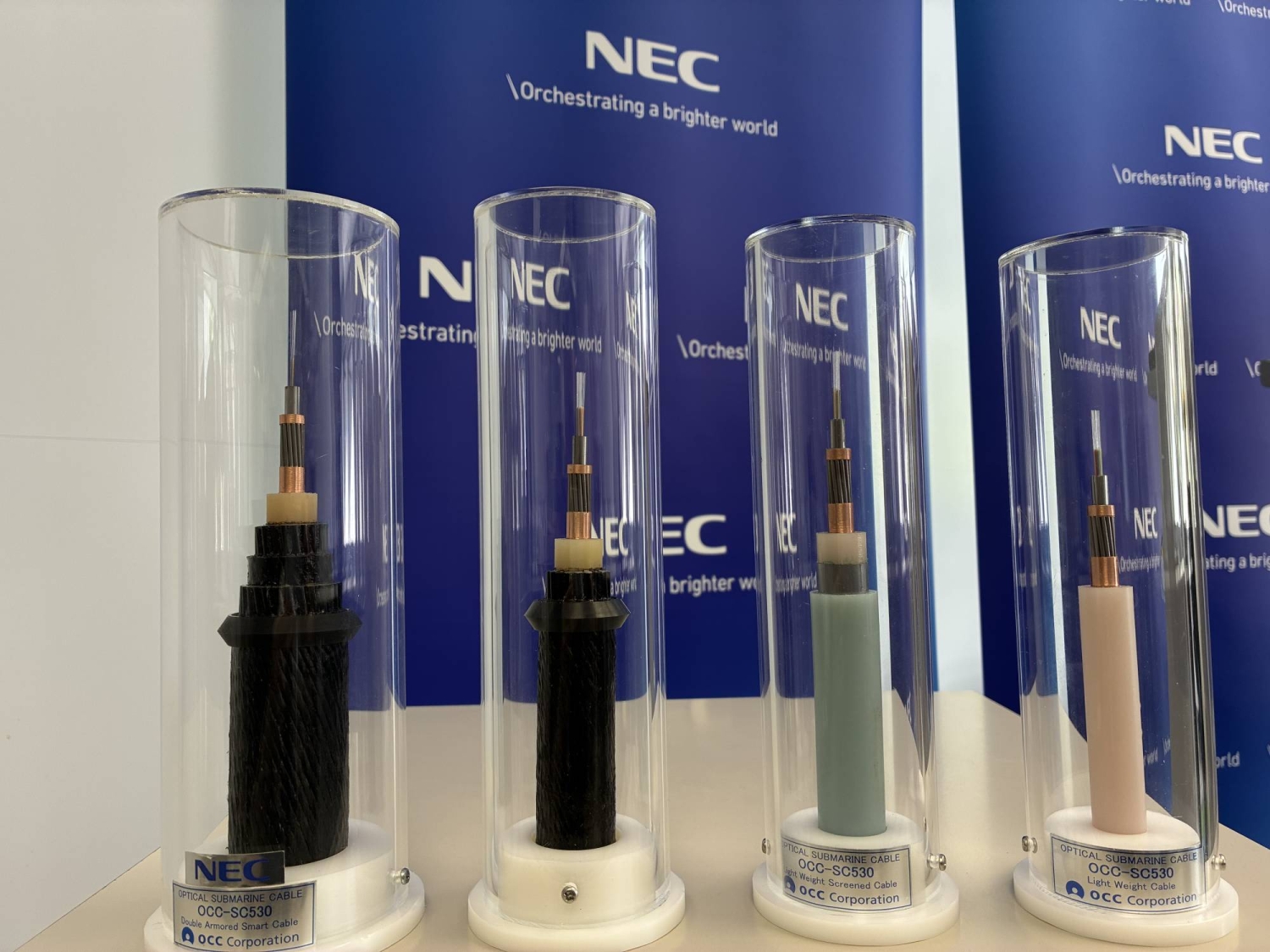
NEC will build a subsea cable for Meta Platforms called Petal, with twice the capacity of the best existing ca…
Nitin Nohria — former Harvard Business School dean, Thrive Capital chairman and author of a new book on the CE…

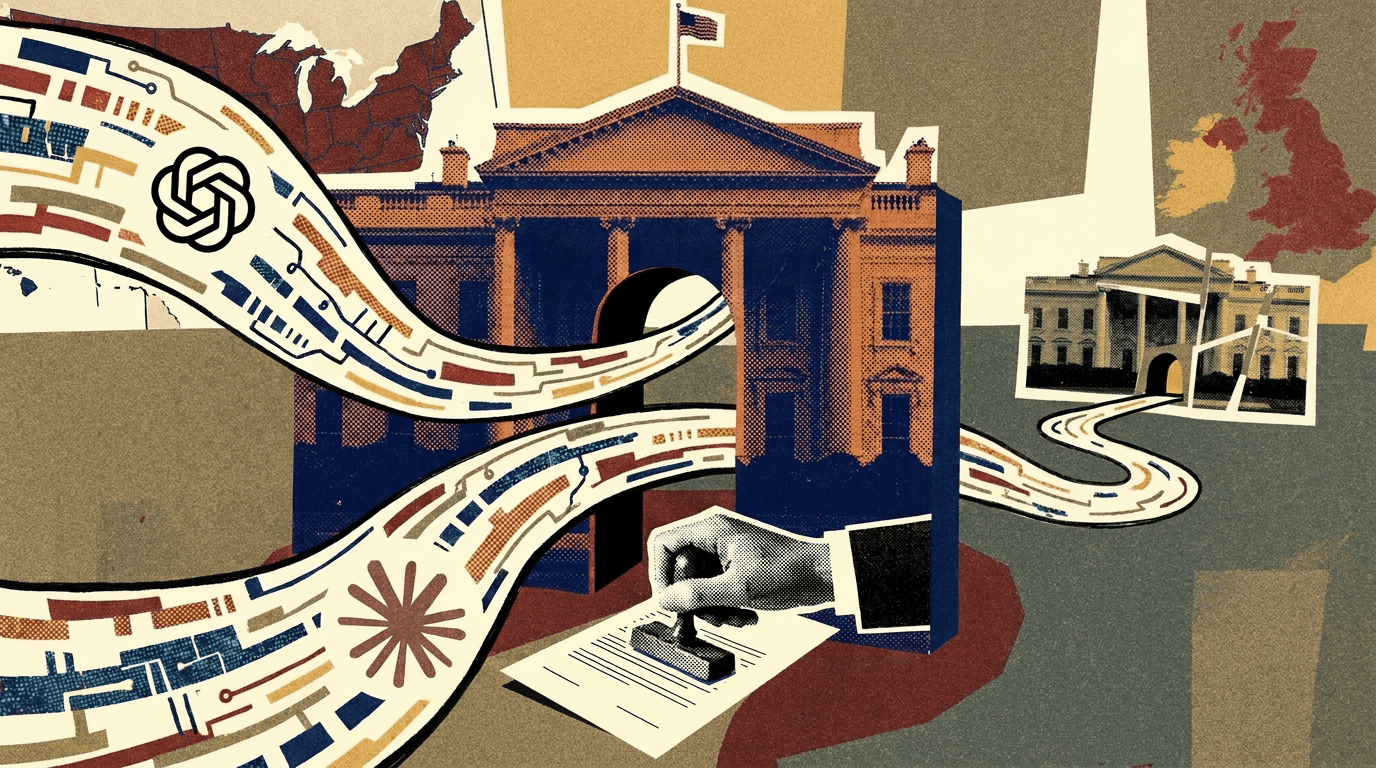
The White House's Office of the National Cyber Director asked OpenAI and Anthropic to keep new models from the…
Council Speaker Julie Menin introduced bills requiring outside validation and a kill switch for AI sold in the…