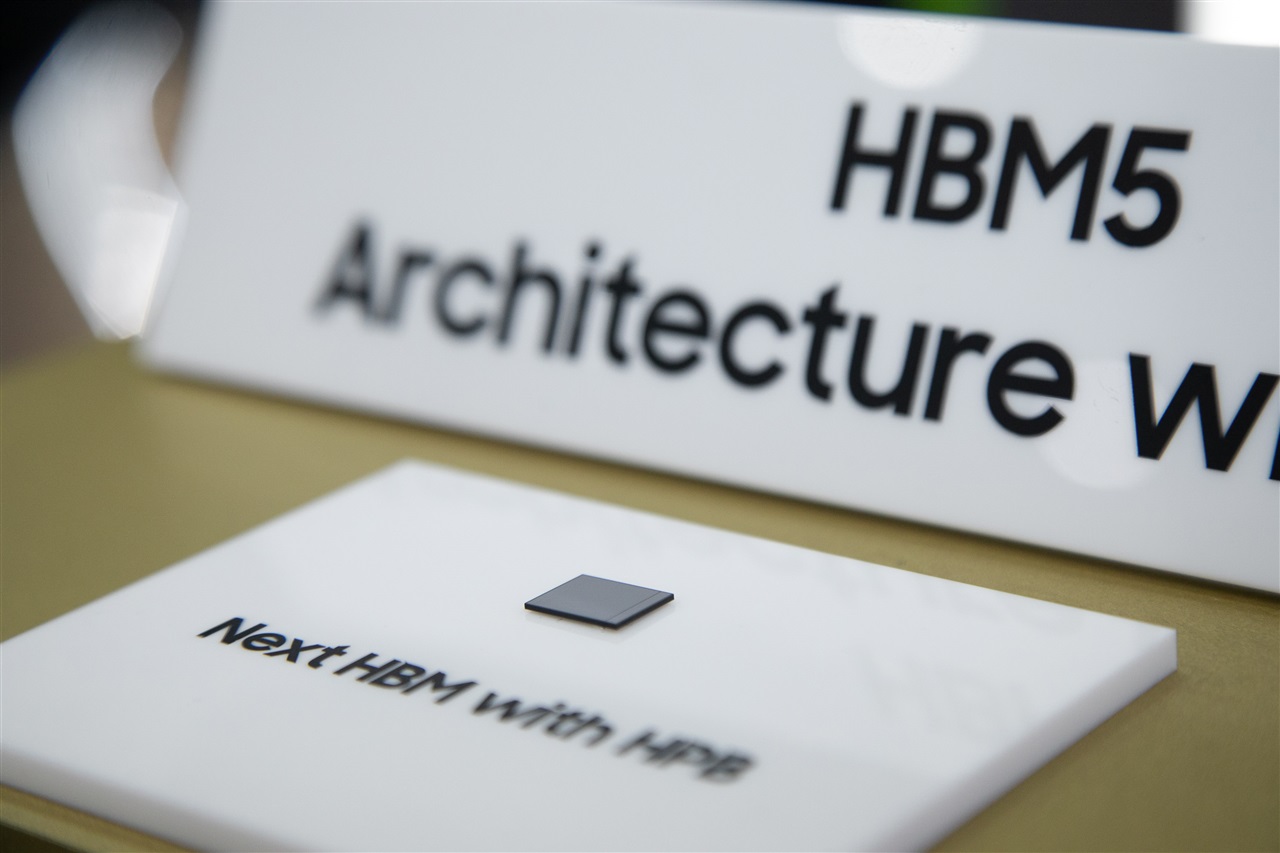
Samsung Electronics expects HBM4 memory sales to more than triple sequentially in Q3 2026, with HBM4 making up well over 60% of total HBM revenue in the second half of the year. This growth trajectory would bring Samsung's HBM market share into line with its overall DRAM position, narrowing the competitive gap that has emerged since AI demand surged.
Summaries like this, in your inbox every morning.
Sign up free →What happened
Samsung Electronics said on its earnings call that HBM4 sales will increase more than threefold sequentially in the third quarter of 2026, with HBM4 projected to account for well over 60% of total HBM revenue in the second half.
Why it matters
This ramp would lift Samsung's HBM market share broadly in line with its overall DRAM share, closing a gap that has defined the HBM race since the AI boom began. For Samsung, HBM is a strategically important segment as AI demand drives competition for high-bandwidth memory.
What to watch
Samsung's ability to execute this threefold sequential growth in Q3 2026 and whether it successfully narrows the HBM competitive gap in the second half of the year.
Samsung Electronics announced on its earnings call that it expects HBM4 sales to increase more than threefold sequentially in the third quarter of 2026. The company projected that HBM4 will account for well over 60% of its total HBM revenue in the second half of the year, marking a significant ramp in the company's next-generation memory offering. This expansion is notable because it would bring Samsung's HBM market share broadly in line with its overall DRAM share—a milestone the company has not yet reached. Since the start of the AI boom, Samsung's HBM position has lagged behind competitors in terms of market share relative to its dominant standing in conventional DRAM. The projected Q3 2026 surge in HBM4 sales represents Samsung's strategy to close that gap and strengthen its position in a memory category where AI data centers and cloud providers are driving sustained demand.
Samsung's projected HBM4 expansion reflects the intensifying demand for advanced memory chips driven by AI infrastructure investment. The company's statement that HBM4 will reach well over 60% of total HBM revenue in the second half of 2026 signals a deliberate shift toward next-generation capacity. By lifting its HBM market share broadly in line with its overall DRAM share, Samsung aims to close a competitive gap that has widened since the AI boom began—indicating that other players (notably SK Hynix and Micron) have gained ground in HBM during the early AI wave. This sequential threefold increase in Q3 2026 represents Samsung's effort to capture a larger slice of a memory segment where demand is expected to remain strong from cloud providers and AI system builders.
AI-summarized, only the topics you pick — one digest a day via Email, Slack, or Discord.
Free · takes 30 seconds · unsubscribe anytime
No comments yet. Be the first to share your thoughts!
Log in to join the discussion

Get curated AI news from 200+ sources delivered daily to your inbox. Free to use.
Get Started FreeFree · takes 30 seconds · unsubscribe anytime
