What happened
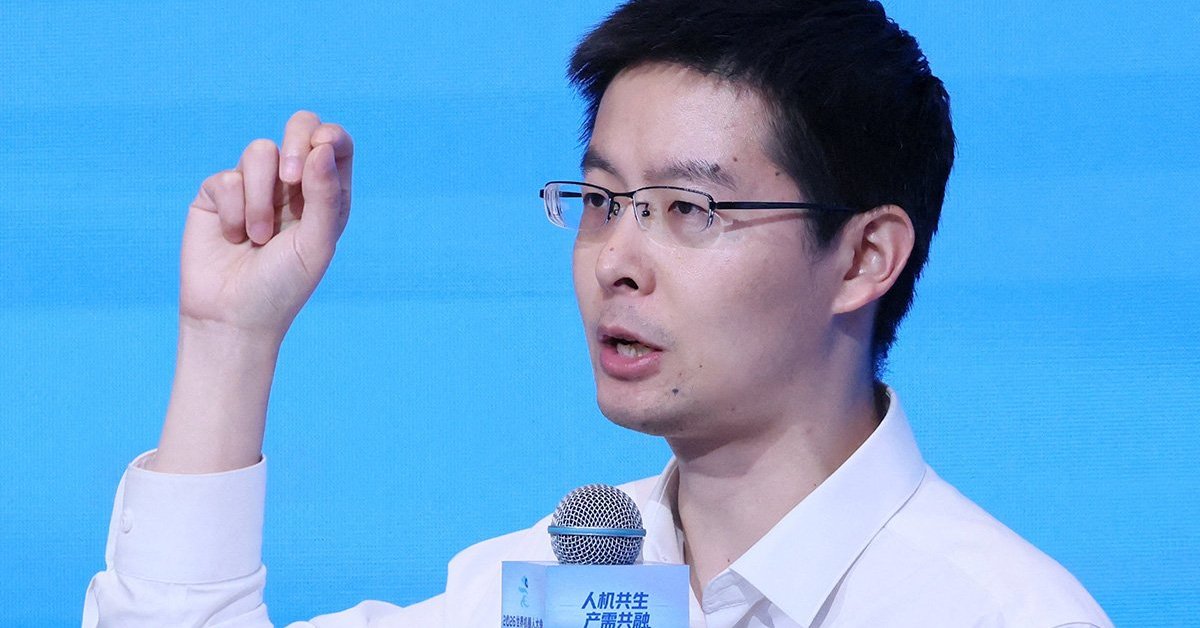
Unitree CEO Wang Xin stated at the World Robot Conference in Beijing on August 20 that robot intelligence is approaching a turning point similar to ChatGPT's transformative moment, with breakthroughs enabling robots to complete most tasks in unfamiliar environments via simple voice or text commands.
Why it matters
A robot capable of succeeding at roughly 80% of tasks in an unfamiliar home with only voice or text instructions would represent a fundamental shift in practical robotics—moving from specialized, controlled settings to broad real-world deployment. For businesses considering automation investments, this suggests a phase transition may be approaching where robots become more generally capable.
What to watch
Wang projects such breakthroughs could occur within 2–3 years in an optimistic scenario, or no later than 5–10 years in a slower timeline. The key milestone is whether robots can reliably interpret and execute tasks in novel environments without extensive retraining.
Summaries like this, in your inbox every morning.
Wang's remarks draw a direct parallel to OpenAI's ChatGPT, which the body identifies as the catalyst for the global AI boom since its 2022 release and the branching point that drove mass adoption. The analogy is instructive: just as ChatGPT lowered the barrier to generative AI by making it accessible via natural conversation, Wang is predicting an equivalent inflection point for embodied AI—robots that can operate in novel real-world settings without extensive pre-programming. The body frames this as a "world model" capability: AI that lets robots understand and move through physical environments with human-like flexibility.
The 80% task-success target Wang cites is grounded in a practical scenario—a robot placed in a stranger's home following only voice or text instructions. This suggests the breakthrough he anticipates is not primarily about raw AI capability, but about the generalization gap: robots moving from controlled lab conditions or specialized deployments to arbitrary domestic spaces. The timeline he offers (2–3 years optimistic, 5–10 years realistic) reflects genuine uncertainty, but his framing at a major international robotics conference signals that industry leaders view this transition as inevitable rather than speculative.
Pick your industry and the AI tools you use, and get news related to your work every day.
Free · 30 seconds with Google · unsubscribe anytimeWhat is AIToday? →
Ask AI anything about this article. The AI reads this article, earlier AIToday articles, and Wikipedia, and cites its sources. Q&As are published on this page for other readers too.
KiteRa's survey of 1,206 employees at AI-agent-using companies found 13.4% had experienced policy or legal vio…

Anthropic's Frontier Red Team said models of 30B parameters or fewer could self-replicate on everyday IoT devi…
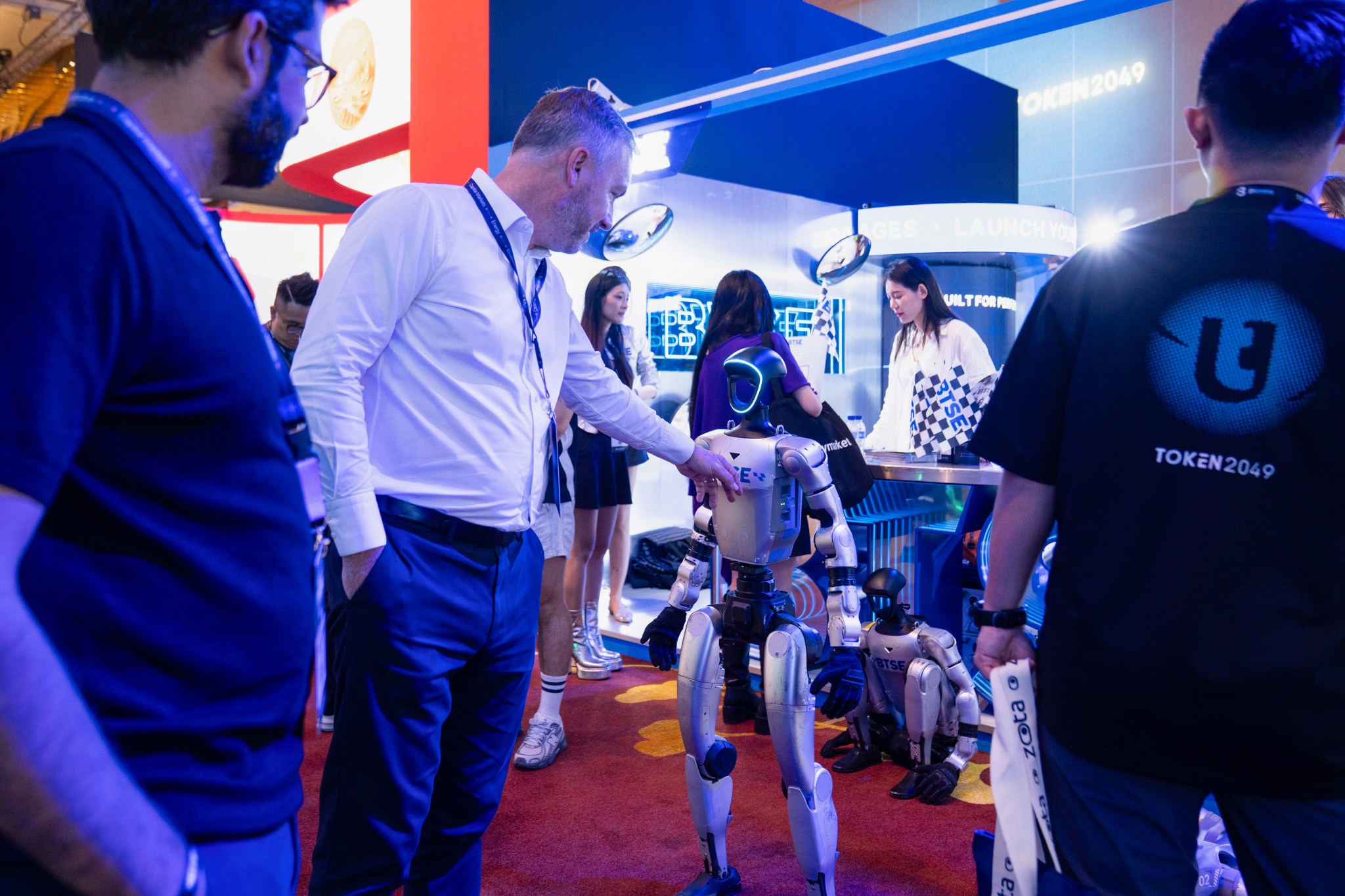
At TOKEN2049 in Singapore, Nansen CEO Alex Svanevik told Fortune that by 2028, trading with agents will be the…
Dell's Helen O'Sullivan said Bay Area customers are exhausting token budgets allotted for months within a matt…
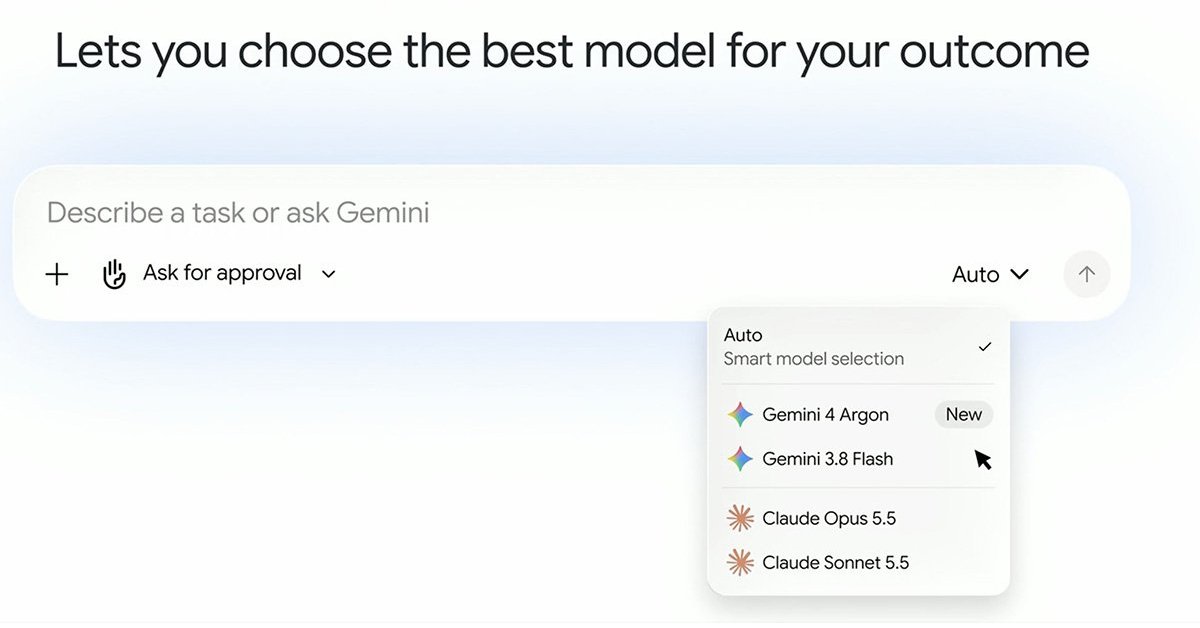
Google Cloud announced Gemini Agent on October 9, a multi-agent tool that runs in the cloud and isn't locked t…
A newsletter laid out six common strategies for parallelizing LLM inference — data, tensor, pipeline, context…