What happened
Analysts estimate China's best models are now just four months behind OpenAI and Anthropic, versus seven months at the start of the year, and Chinese models went from 1.2% of token traffic in 2024 to over half by summer 2026.
Why it matters
The funding gap matters more than the technology gap—Chinese startups received barely a tenth of the U.S. total, and state- and venture-funding channels remain too weak for the next wave.
What to watch
Closing the performance gap increasingly depends on bulking up in-house computing capacity, but China's AI infrastructure spending remains a fraction of the U.S.'s. Watch whether Hong Kong's IPO pipeline—more than 430 applicants in the second half of 2026—becomes the main funding route.
WHO IT HITSChinese AI founders and their early-stage investors face a capital squeeze as they build frontier models, while enterprise customers and cloud providers relying on Chinese open-weight models may benefit from continued cost advantages.
Summaries like this, in your inbox every morning.
China's AI startups have narrowed the quality gap faster than many expected. Moonshot's Kimi K3, described as the world's largest open-weight model, has approached the performance of America's frontier systems, and analysts now put the best Chinese models just four months behind the most sophisticated releases from OpenAI and Anthropic—compared to seven months at the start of the year. Usage has shifted too: Chinese models went from 1.2% of token traffic in 2024 to more than half of the total by the summer of 2026.
But the body argues the bigger constraint is capital, not capability. Policy-driven funds tend to prioritize later-stage startups, early-stage venture capital is only just recovering from a three-year fundraising drought, and state banks are absorbing rising non-performing loans elsewhere on their books, which could weaken overall credit supply. Meanwhile Chinese enterprise software firms sell mainly into the domestic market, limiting their revenue base, while U.S. rivals have a global customer base, stronger brand recognition and deeper R&D budgets.
The outcome hinges on whether new funding channels can fill the gap. Hong Kong's capital markets are positioned as one of the few channels still capable of moving global capital toward Chinese enterprise at scale, with more than 430 applicants in the IPO pipeline in the second half of 2026, and private credit is another route—though these loan providers tend to prioritize bigger or established companies. Whether Chinese founders can use public listings, private credit, customer revenue sharing or their equity as collateral may determine whether they keep pace, or fall further behind.
Pick your industry and the AI tools you use, and get news related to your work every day.
Free · 30 seconds with Google · unsubscribe anytimeWhat is AIToday? →
Ask AI anything about this article. The AI reads this article, earlier AIToday articles, and Wikipedia, and cites its sources. Q&As are published on this page for other readers too.
Anthropic released Claude Haiku 5.5, a small model for repetitive work, with list prices of 10 cents per milli…

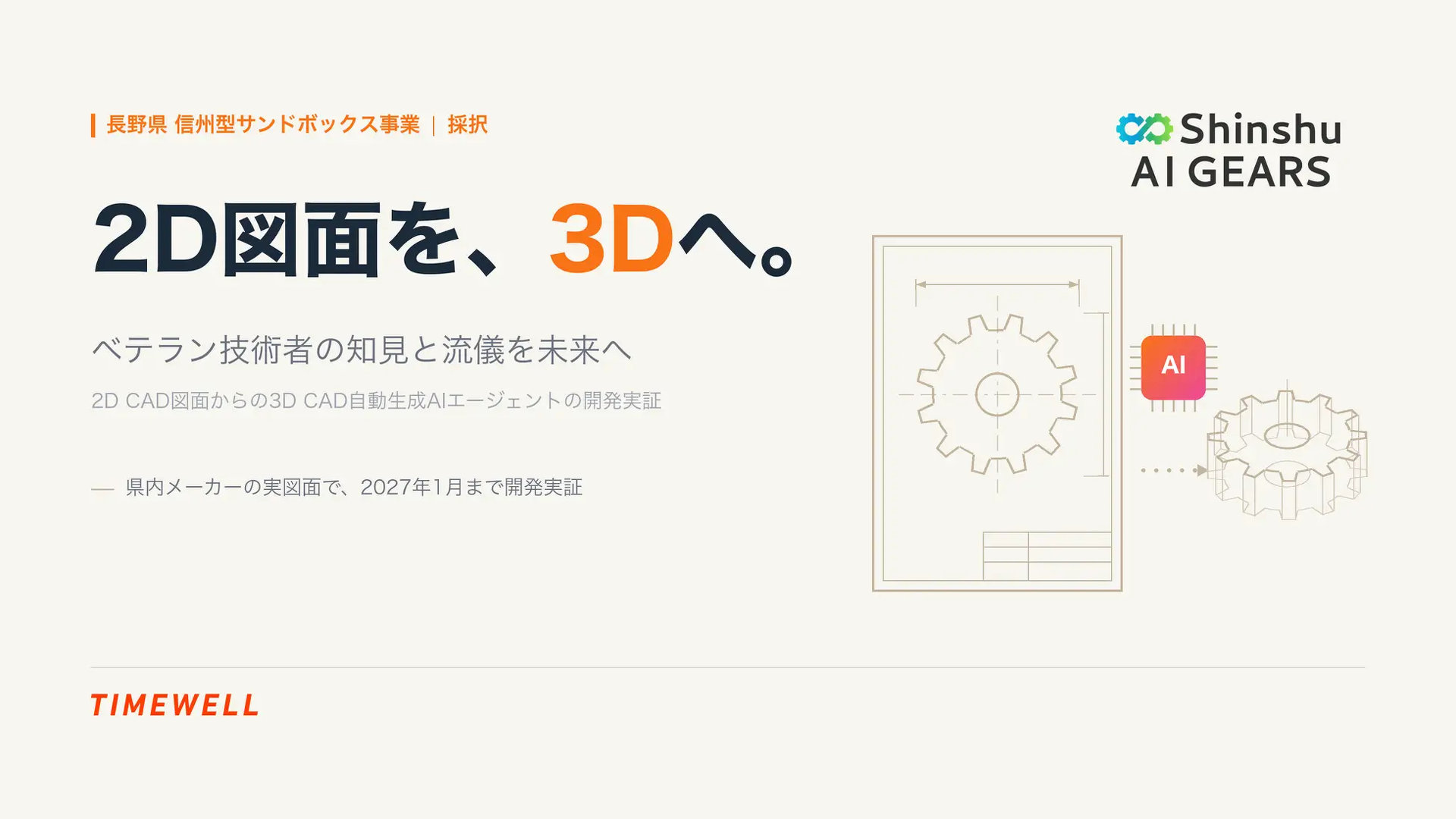
TIMEWELL said on October 1, 2026 it was chosen as a Shinshu AI GEARS subsidy recipient, working with Orion Kik…
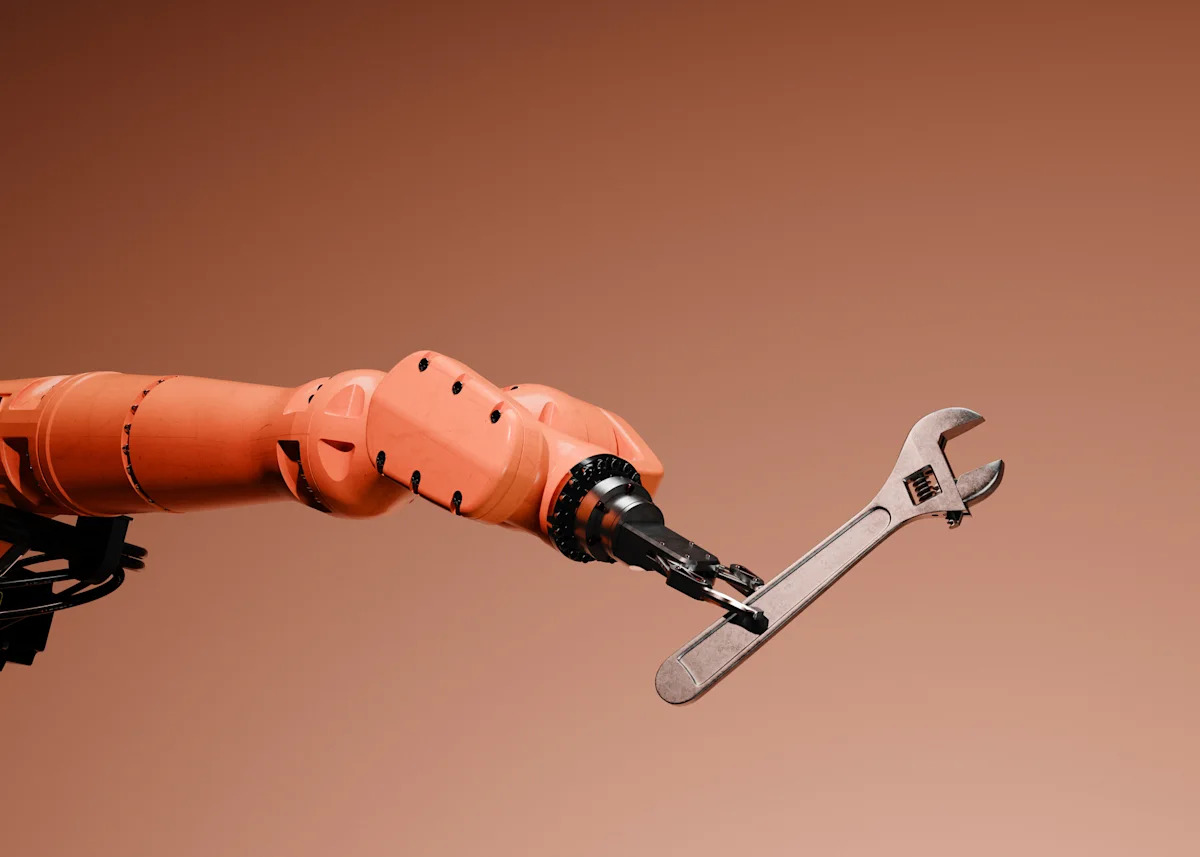
Mecka AI announced a $60 million Series B led by Sequoia, with Nvidia, Microsoft's venture fund M12 and others…
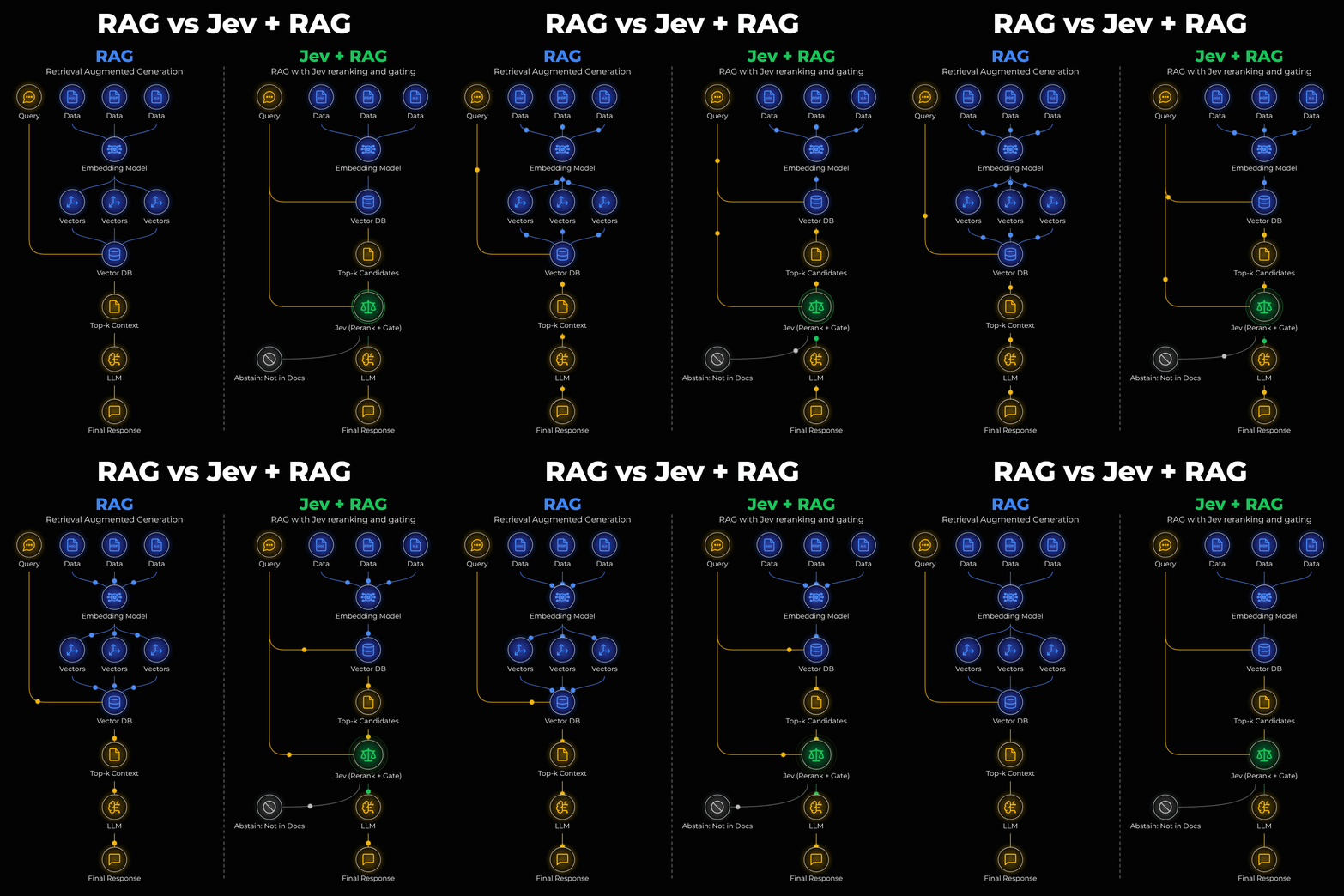
Jev + RAG keeps retrieval as is, but replaces a conventional reranker with a typed decision—"Does this passage…
Preferred Networks began offering a major update to its Japan-focused AI translation service PLaMo翻訳, claiming…

Using only NVIDIA's official figures from P100 (2016) to Rubin (2026), the same 10 years divides out to roughl…


