What happened
Rabbit announced OS3, a cross-platform "agentic operating system" accessible via desktop browser, Telegram, or iMessage, no R1 required. CEO Jesse Lyu says the company delivered over 100,000 R1 gadgets worldwide with return rates under 5 percent.
Why it matters
Lyu argues the R1's weak reviews reflected limited resources, not a wrong bet. The pivot suggests dedicated AI hardware may matter less than software that runs on devices people already own.
What to watch
Rabbit has stopped manufacturing the R1 and has no plans for an R2. Its next hardware, a Cyberdeck "vibe coding" machine running OS3, is slated to arrive within "months."
WHO IT HITSThis lands on people who already own an R1 and on desktop users willing to supply their own OpenAI or Anthropic API keys, since OS3 has no monthly subscription fee.
Summaries like this, in your inbox every morning.
Rabbit's R1 launched at CES 2024 as one of the first dedicated AI hardware gadgets, but it earned scathing reviews and a 3/10 from WIRED. Jesse Lyu now frames the device as a financial success — over 100,000 units delivered, return rates under 5 percent, and roughly a 45 to 50 percent hardware margin — while conceding the company faced dire straits around this time last year. A planned India launch was stymied by regulations, straining finances so badly that a handful of employees went on strike over unpaid wages. Lyu says more funding was secured and the company is on stronger footing, with around $60 million raised in total and 15 employees.
Rather than rush new hardware, Rabbit stayed lean and shipped roughly 50 software updates over the past year and a half, opening the R1 to third-party agents like OpenClaw or Hermes. OS3 extends that software-first approach to any screen: it installs a local agent node on Windows, Mac, or Linux, links up to five machines per account, and supports universal skill compatibility by letting users paste a public URL for any third-party agent skill. Rabbit says file contents stay on your machine, though prompts pass through its servers when model reasoning is needed.
Whether OS3 lands may hinge on how much users trust an agent with local file access and whether supplying their own API keys feels like a fair trade for no subscription. Rabbit's next hardware bet, a Cyberdeck "vibe coding" machine slated for "months," could test whether the company's lean, software-led strategy holds up against far better-funded AI studios.
For example, today's edition would include:
AI-summarized, only the topics you pick — one digest a day via Email, LINE, or Slack.
Free · 30 seconds with Google · unsubscribe anytimeWhat is AIToday? →
Ask AI anything about this article. Q&As are published on this page for other readers too.
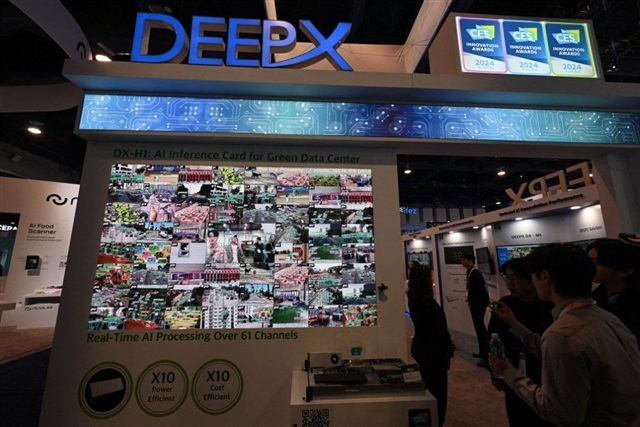
DEEPX, a South Korean AI semiconductor company, is reportedly conducting a proof of concept with a US smart gl…
An analysis named Amazon and Palantir as AI software plays, citing analyst expectations that their revenue and…

Zacks published research on 16 major stocks, including NVIDIA Corp
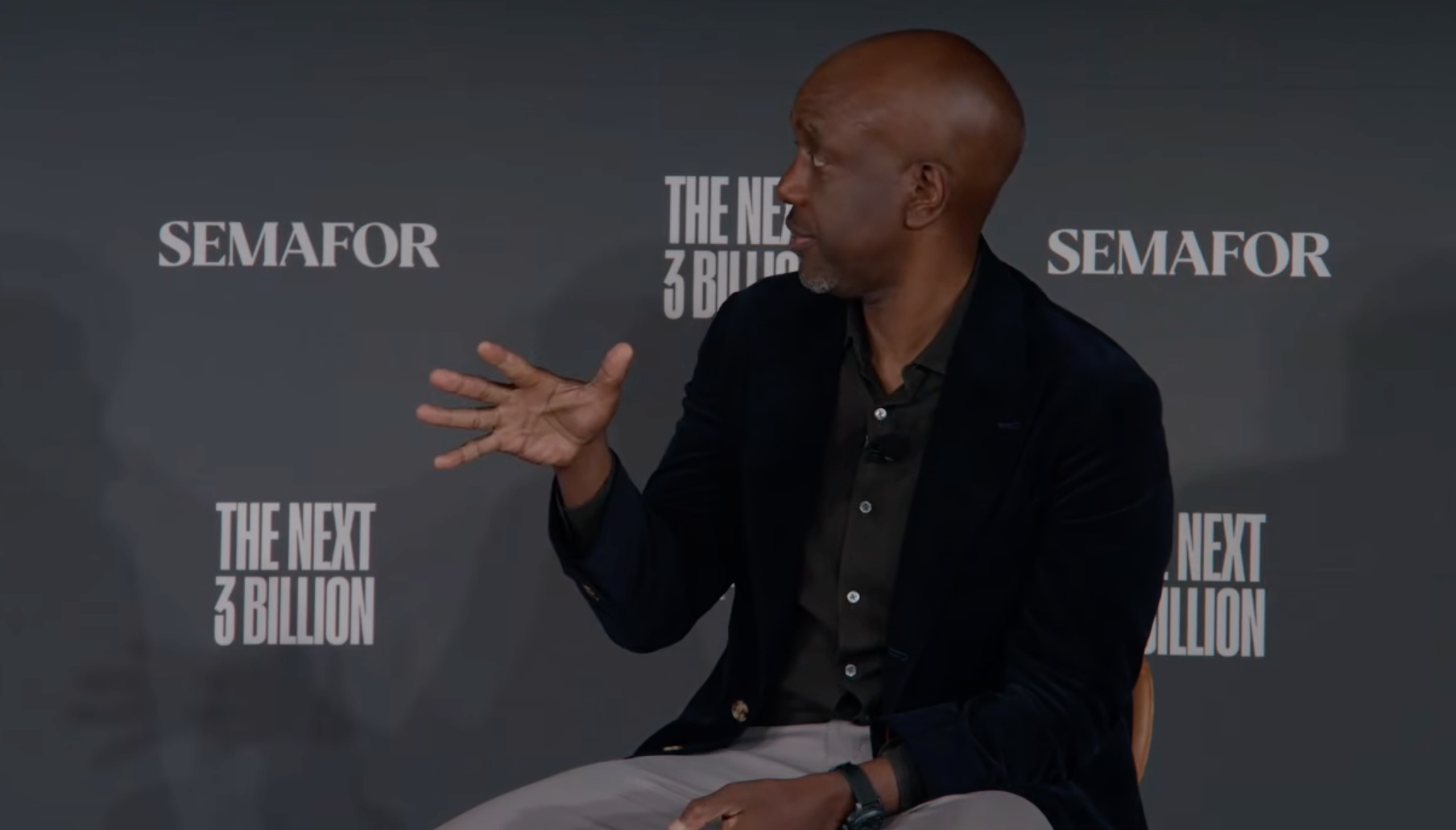
Google SVP James Manyika told Semafor's Next 3 Billion event that the Global South is "a little bit more optim…
Amazon blocked Meta's Muse assistant while Shopify allowed it, the first sign of battle lines over how AI agen…
OpenAI launched GPT-6 Sol and Luna, halving token prices from GPT-5.6 — Sol at $2 input and $10 output per mil…