What happened
AWS published a sample that fine-tunes Qwen2.5-1.5B with PyTorch FSDP across eight L4 GPUs on two g6.12xlarge instances, using the public Ray Train DLC tag train-ml-cuda-v1.1 and building no image.
Why it matters
Teams that would otherwise assemble and maintain the training container themselves can instead configure the job from outside the image, which AWS says removes work that has nothing to do with the model being trained.
What to watch
The sample runs on two g6.12xlarge instances at about $9.50 an hour while the GPU instances are up.
WHO IT HITSML platform engineers and infrastructure teams running PyTorch training on Kubernetes can skip building and patching a custom container, and instead adjust environment variables, resource requests and a single manifest per job.
Summaries like this, every morning.
The sample is built around a division of labour: AWS assembles and tests the software stack as one unit, KubeRay creates and maintains the Ray head and worker pods from a single manifest, and Ray Train places one worker per GPU and forms the distributed process group. The training code itself is one function that contains nothing specific to the container, the cluster or the network, so the same script runs unchanged on one node or many.
The fine-tuning target is Qwen2.5-1.5B in bfloat16, which needs about 12 GB for weights, gradients and optimizer state. Sharded eight ways with FSDP, each L4 GPU holds roughly 1.5 GB, and the sample is judged on whether real FSDP collectives crossed both nodes and the job completed. Batches are random token IDs so the run depends on nothing but the cluster; for a real fine-tune, the random tensor is replaced with a Ray Data or DataLoader pipeline and nothing else in the function changes.
Configuration lives in one place, scripts/env.sh, and most changes to the workload touch exactly one file: the model, steps, sequence length and batch size are variables, and an additional Python package is installed at submit time through Ray runtime_env without changing the image. The sample pins train-ml-cuda-v1.1, the current minor release, so a cluster is reproducible from one run to the next, and the scripts are idempotent and safe to re-run.
Pick your industry and the AI tools you use, and get news related to your work every day.
Free · 30 seconds with Google · unsubscribe anytimeWhat is AIToday? →
Ask AI anything about this article. The AI reads this article, earlier AIToday articles, and Wikipedia, and cites its sources. Q&As are published on this page for other readers too.
Crux Labs launched with over $6 million in funding led by Benchstrength and Misneach, with Analog Ventures and…
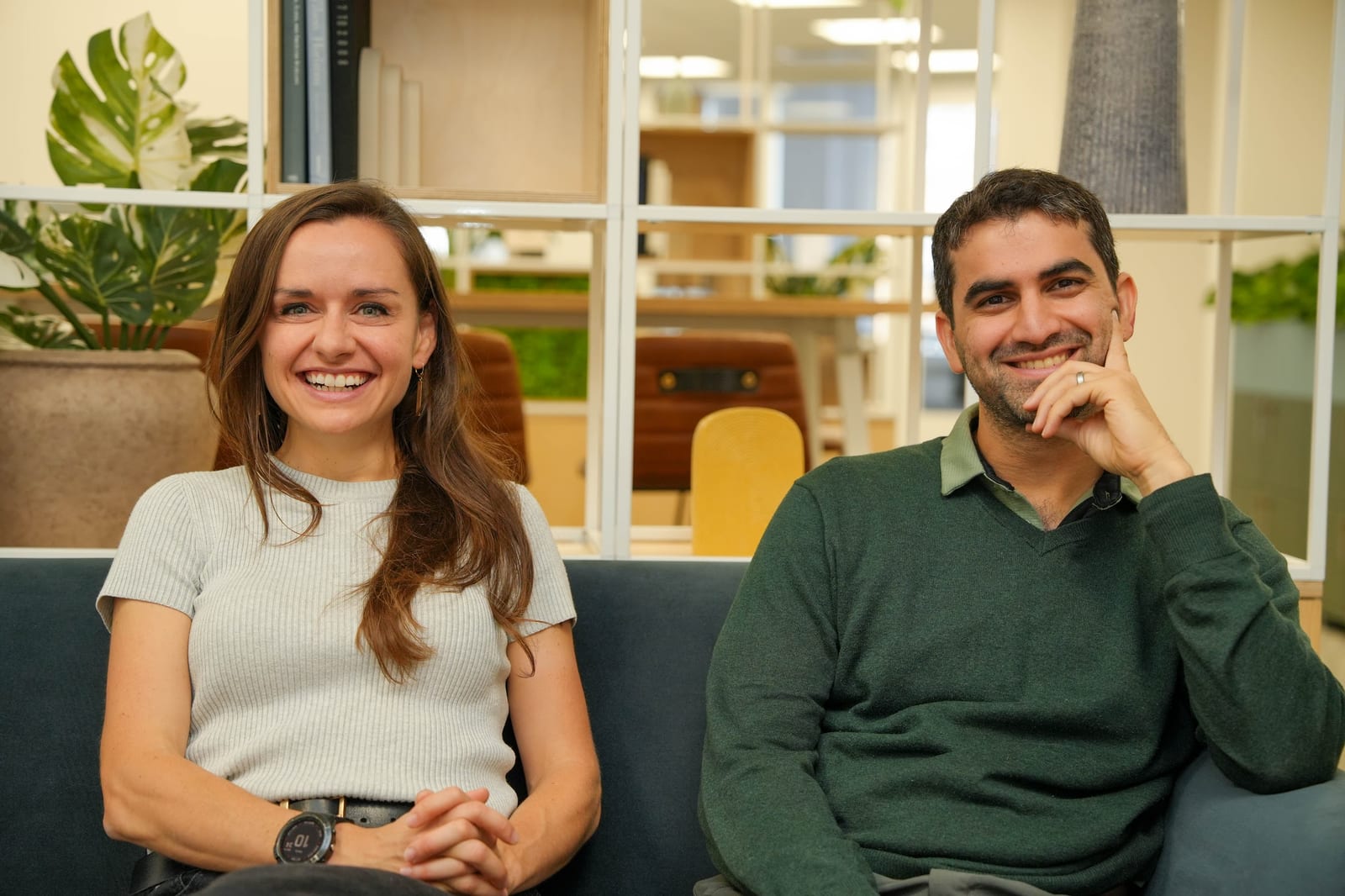
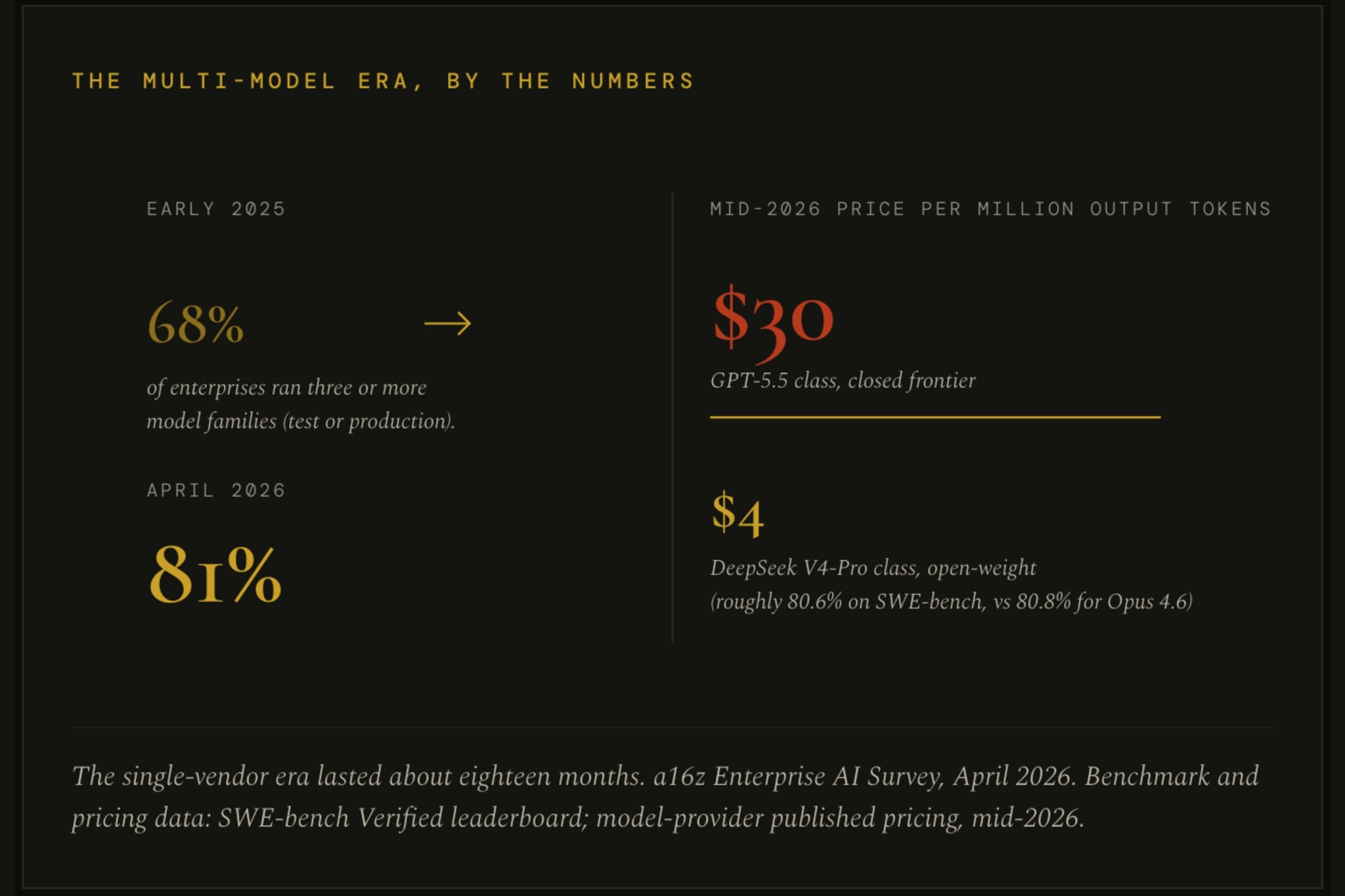
In a Fortune essay, Collective[i] argues companies should treat AI models as swappable commodities and own the…
A 31-year-old Seattle woman on epilepsy medication died in February 2026; her parents sued OpenAI in October 2…

Nscale is asking US investors for a roughly $30 billion valuation on first-half 2026 revenue of $140.6 million…

Studying the four most widely used agent frameworks, Partnership on AI researchers found key observability req…
Amazon added more than 100 new shopping-related capabilities to Alexa, including subscription and list managem…