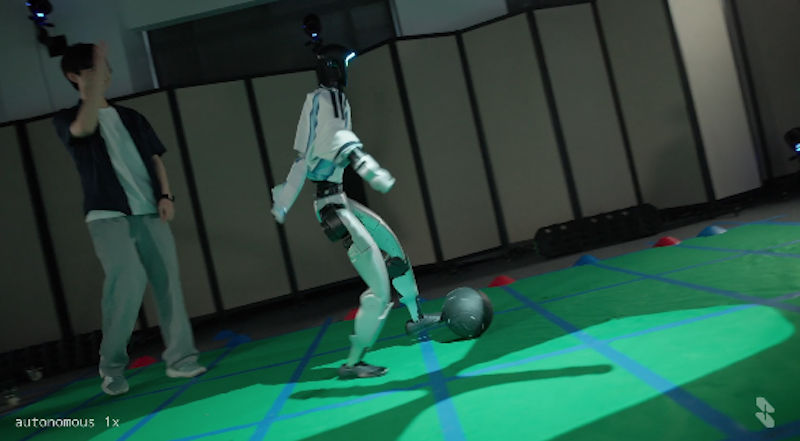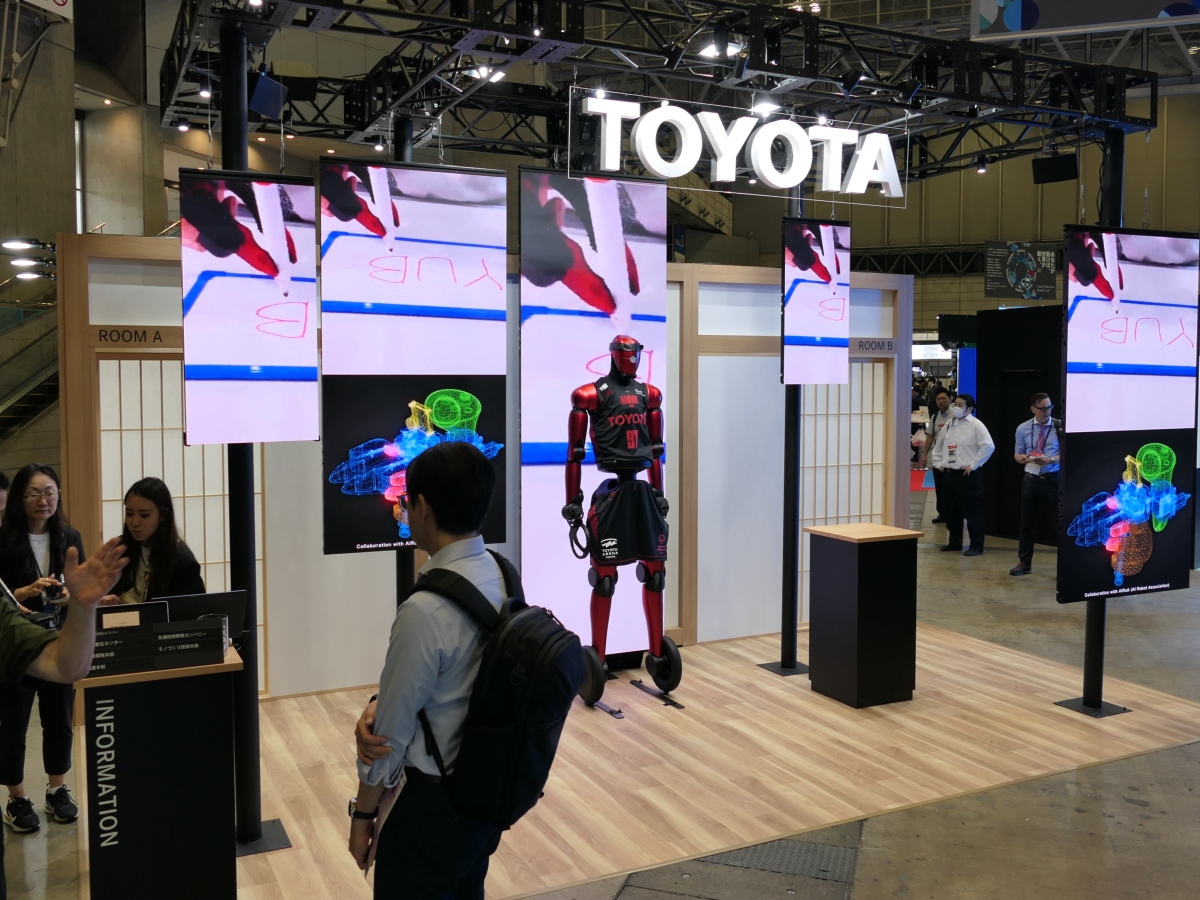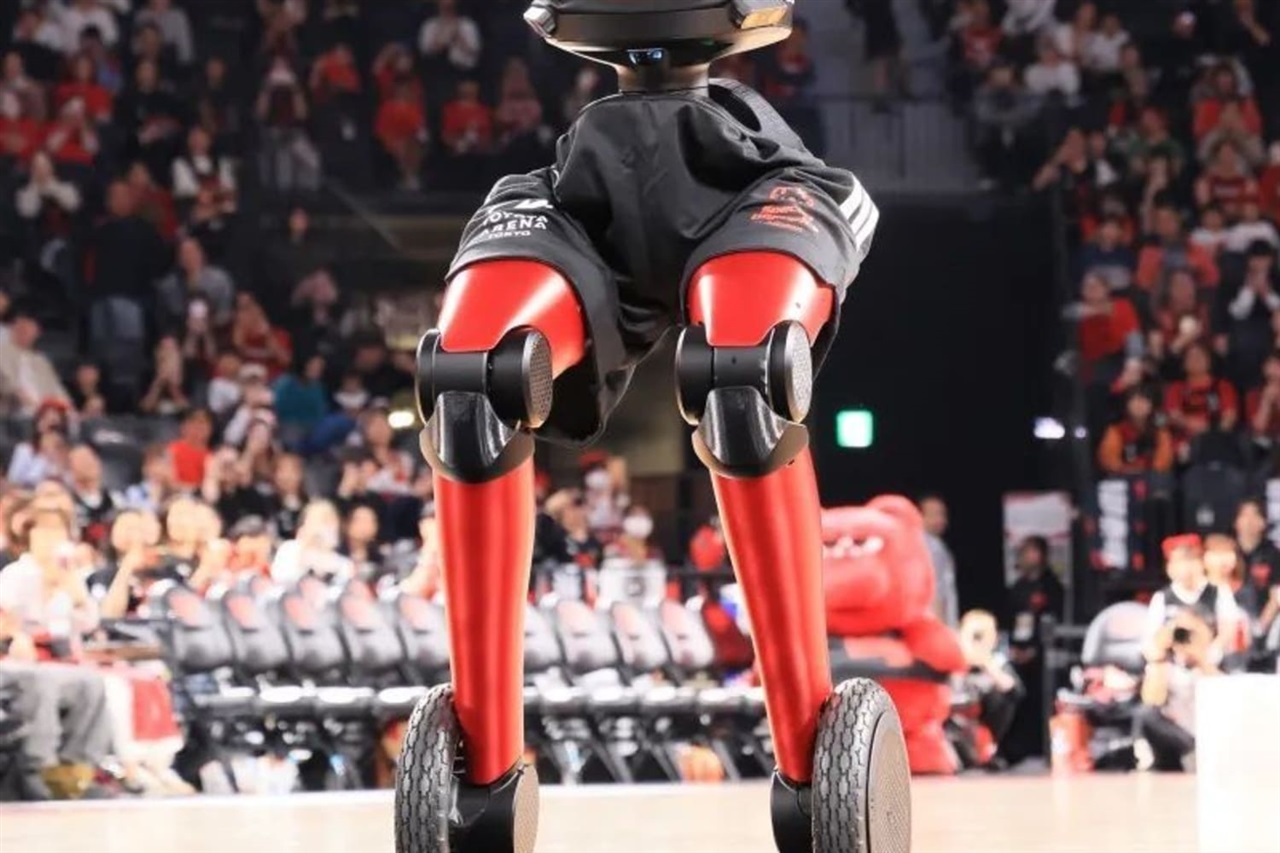
Taiwan's manufacturers are gaining supply-chain opportunities as humanoid robots drive new AI hardware demand globally.
However, the industry remains skeptical about large-scale deployment in the near term, with companies waiting for humanoid systems to become more reliable, cheaper, and able to handle diverse jobs.
What happened
Taiwan's manufacturers are expanding into humanoid robot supply chains as global demand for robotics rises, capitalizing on AI hardware needs in the sector.
Why it matters
The humanoid robot market is creating new business opportunities for Taiwanese component makers, but industry players say widespread commercial deployment is still years away because current systems lack reliability, affordability, and the ability to adapt to different tasks.
What to watch
Companies are prioritizing practical, task-specific robots rather than general-purpose humanoids, signaling where the near-term growth is concentrated.
The humanoid robot sector is creating supply-chain openings for Taiwanese manufacturers as global robotics demand rises, but industry observers warn that large-scale deployment of humanoid systems remains a distant prospect. Although the humanoid robot market itself is drawing new opportunities in AI hardware for Taiwanese component makers, companies operating in the space are not yet pushing for mass adoption. Instead, players across the industry are concentrating on building practical machines designed to handle specific jobs, while the broader humanoid robot category waits for critical improvements. Three factors are preventing faster rollout: reliability remains insufficient, costs are too high, and current systems cannot easily adapt to different tasks. This cautious approach reflects a market in transition—one where the revenue potential of humanoid robots is visible enough to attract Taiwanese suppliers into the value chain, but the technology's maturity is not yet at the point where businesses are willing to deploy these systems at scale.
The humanoid robot market is creating a supply-chain windfall for Taiwanese manufacturers at a moment when the sector is attracting broad global interest. Yet the article reveals a gap between commercial enthusiasm and practical readiness: while demand for robotics as a whole is lifting, humanoid robots specifically remain in a phase where companies are optimizing for narrow, task-focused applications rather than seeking general-purpose systems. The emphasis on reliability, cost, and adaptability as the critical missing pieces suggests that the industry sees current humanoid designs as prototype-stage technology rather than ready for widespread deployment. This dynamic—new opportunities emerging alongside persistent technical and economic hurdles—explains why Taiwanese suppliers are positioned to benefit from component demand even as the broader humanoid robot rollout remains distant.
AI-summarized, only the topics you pick — one digest a day via Email, Slack, or Discord.
Free · takes 30 seconds · unsubscribe anytime
Ask AI anything about this article. Q&As are published on this page for other readers too.
Foxconn announced on August 12 at its second-quarter 2026 earnings conference that it is broadening its busine…

South Korea plans to establish a strategic investment account with at least 20 trillion won in assets within t…

Nvidia CEO Jensen Huang signed seven Japanese companies—Fujitsu, FANUC, Yaskawa Electric, Kawasaki Heavy Indus…

LTX released LTX-2.5, an open-weights world model designed to generate video and simulate how physical environ…

Lockheed Martin, Verizon, NVIDIA, Keysight, ODC, and Astris AI unveiled NetSense™, an airspace awareness syste…

Lockheed Martin, Verizon, NVIDIA, Keysight, ODC, and Astris AI demonstrated the NetSense™ system in the Miami…

The AI news that matters, in one minute each morning.
Sign up free