What happened
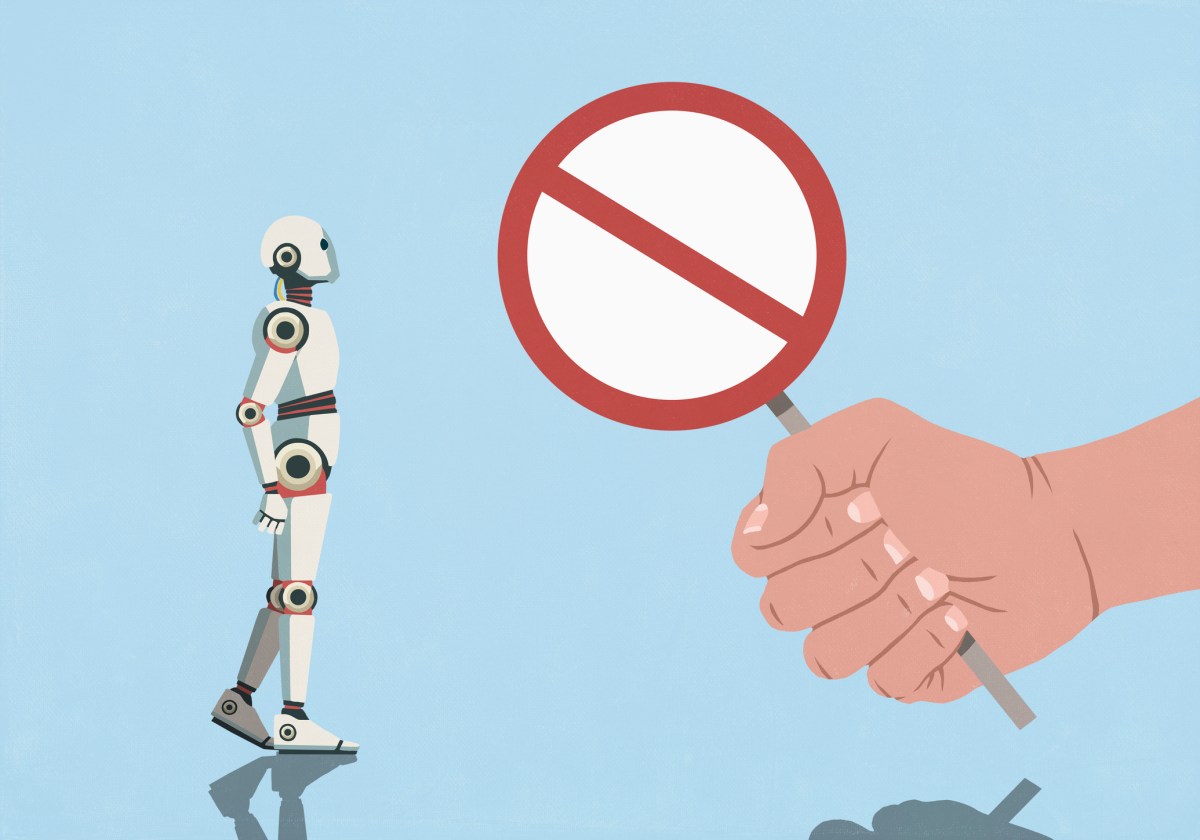
David Durman, a University of Kentucky administrator and nontheistic Humanist, secured a religious exemption from using AI at work, the first such case for a Humanist, with help from the American Humanist Association.
Why it matters
His exemption suggests that non-religious belief systems may qualify for the same workplace protections as traditional faiths, potentially widening the grounds on which employees can refuse AI tools.
Summaries like this, every morning.
The exemption request comes as workplace AI adoption grows and some employers recommend — or may eventually require — AI tools. Durman, who supports researchers applying for grants, is not currently required to use AI but sought protection preemptively in case suggestions become mandates. The case follows that of Erin Maus, a Unitarian Universalist software engineer who secured similar protections, and Durman cited her example as inspiration.
His argument rests on Humanism, a belief system centered on human well-being and flourishing that appeals to people skeptical of the supernatural but seeking a moral framework. According to the American Humanist Association, concern about AI and human dignity spans multiple faiths and traditions, and the group wants nontheists to know they are also protected by law at work.
The University of Kentucky's statement that accommodations may be reviewed as technology and job responsibilities evolve suggests such arrangements could face periodic scrutiny, leaving the long-term durability of AI opt-outs an open question.
Pick your industry and the AI tools you use, and get news related to your work every day.
Free · 30 seconds with Google · unsubscribe anytimeWhat is AIToday? →
Ask AI anything about this article. The AI reads this article, earlier AIToday articles, and Wikipedia, and cites its sources. Q&As are published on this page for other readers too.
monday.com's Ryan Nigro told theCUBE at the company's Elevate event that AI agents inherit employees' access…
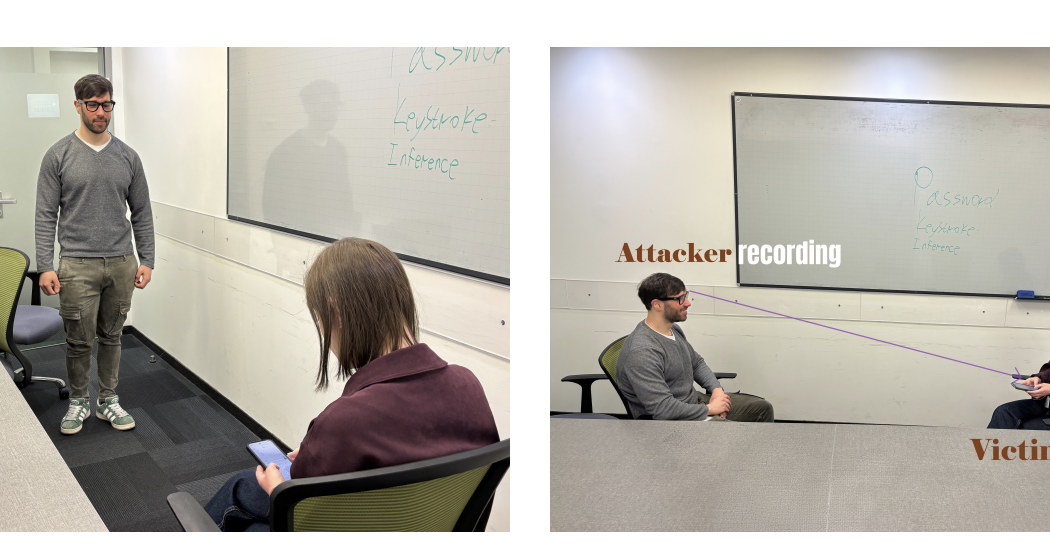
A Tel Aviv University paper, "Watch and Crack: Password Inference from Smart-Glasses Video," showed that foota…
Fujitsu began offering a retainer service from 10月30日 that pairs a threat analysis AI built on フロンティアAI with i…
OpenAI updated its Model Spec, which sets out five principles for its AI models: be loyal to human intent, min…
SORACOM's Shibata tested whether Meta's Muse agent, in its Linux VM, could reach IoT devices via SORACOM Arc a…

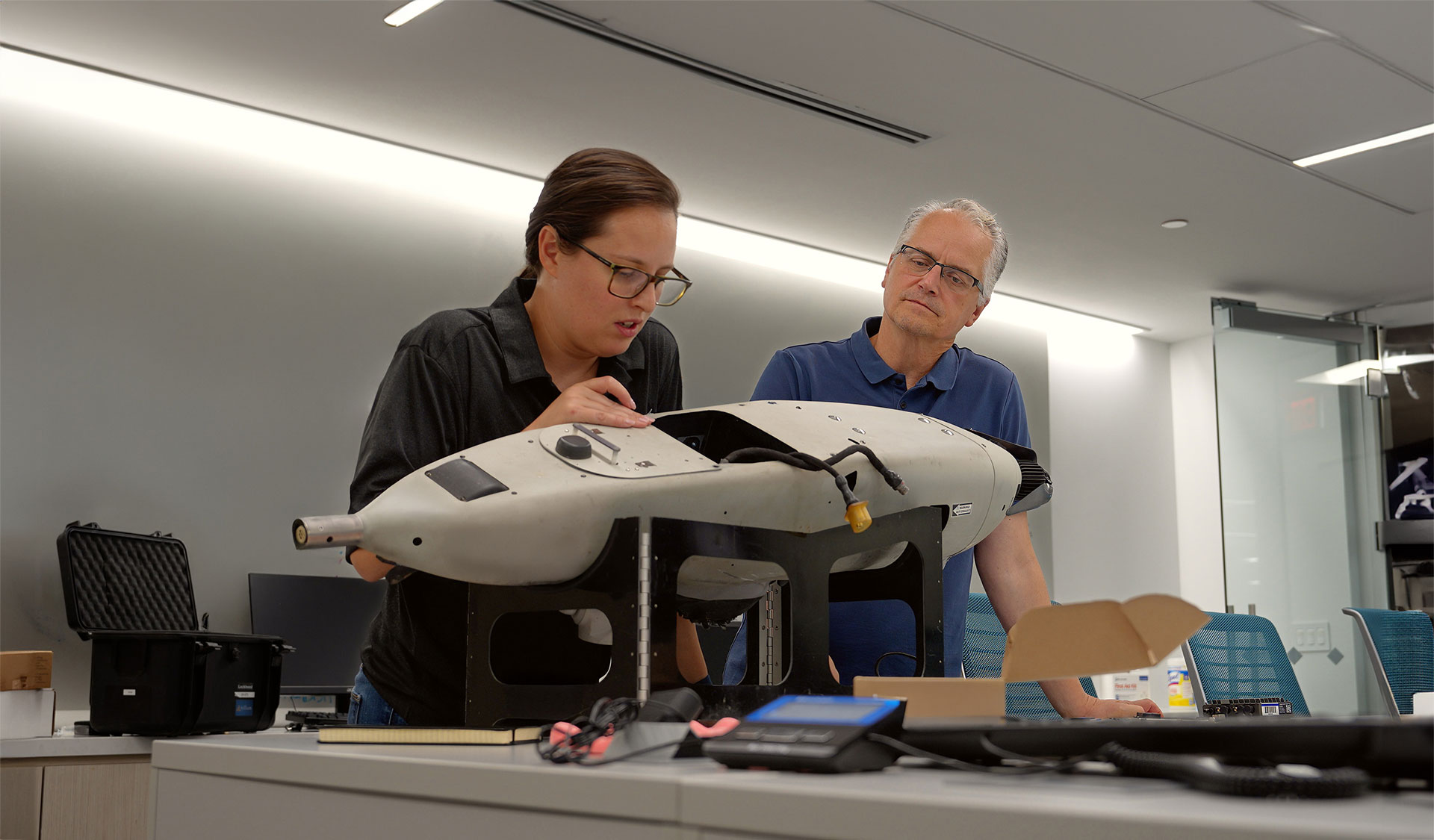
Lockheed Martin's AI Center (LAIC) applies RAGE — Responsible AI Governance and Evaluation — at multiple tollg…