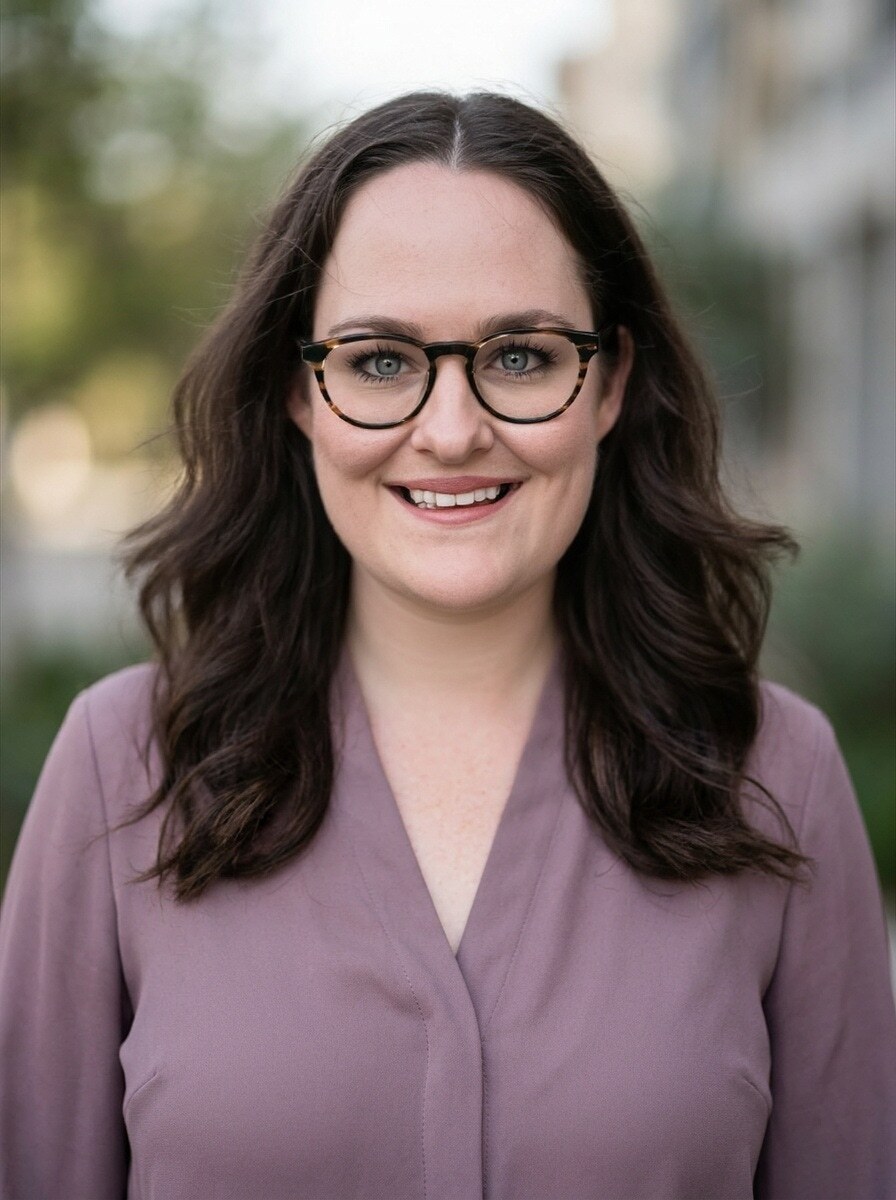
In an interview with TechCrunch, Andreessen Horowitz partner Olivia Moore discussed her report on the top 100 consumer AI apps, which found that social, dating, marketplaces, retail, travel, finance, and health remain untouched by AI.
Summaries like this, in your inbox every morning.
The interview comes at a moment of pessimism about the revenue picture for consumer AI, since OpenAI has moved back toward the enterprise this year, as the interviewer noted. Moore characterized that not as a pivot but as an expansion, since OpenAI is still launching a lot in consumer, and attributed the enterprise focus to the fact that almost all AI revenue so far has come from subscriptions and token usage, which is concentrated on enterprise and prosumer users.
The State of Markets report reminded readers that just 2.2% of U.S. households are paying for AI. Moore said she isn't sure she wants that number to rise, and is more interested in getting back to a world where the consumer is monetized in a way that isn't subscription dollars out of their own pocket. She argued it's easy in Silicon Valley, where people have high incomes and corporate cards, to prefer paying for a product, but most people would rather have free access with ads and then decide whether to subscribe.
On the marginal cost of AI services, which she said is still a lot higher than classic internet services like Facebook or Google Search, Moore pointed to ChatGPT's Go plan at $8 a month as evidence of improvement, and said it could mean cheaper models for consumer use cases and more consumer companies building on top of open-source models. The revenue-driving users today are doing coding and technical automation where they probably do need frontier intelligence, she said, but as more people build for consumers, where the model is not the product, lower-cost models may be used more often.
Moore wrote an article about a year ago called The Great Expansion on the blurring lines between consumer and enterprise. Pre-AI, she noted, companies like Canva were consumer-first and often took six or seven years to add teams or enterprise plans; now companies like Gamma, ElevenLabs, and Cursor start as consumer and within 18 months become majority-enterprise businesses. She said the whitespace categories are what she thinks the market needs to see entrants in over the next six months.
Pick your industry and the AI tools you use, and get news related to your work every day.
Free · 30 seconds with Google · unsubscribe anytimeWhat is AIToday? →
Ask AI anything about this article. The AI reads this article, earlier AIToday articles, and Wikipedia, and cites its sources. Q&As are published on this page for other readers too.
At SailPoint's Navigate event in Austin, CEO Mark McClain said identity security for AI agents has become a bo…
OpenAI told investors it actually had $18 billion less revenue than the $68 billion it said last month, cuttin…
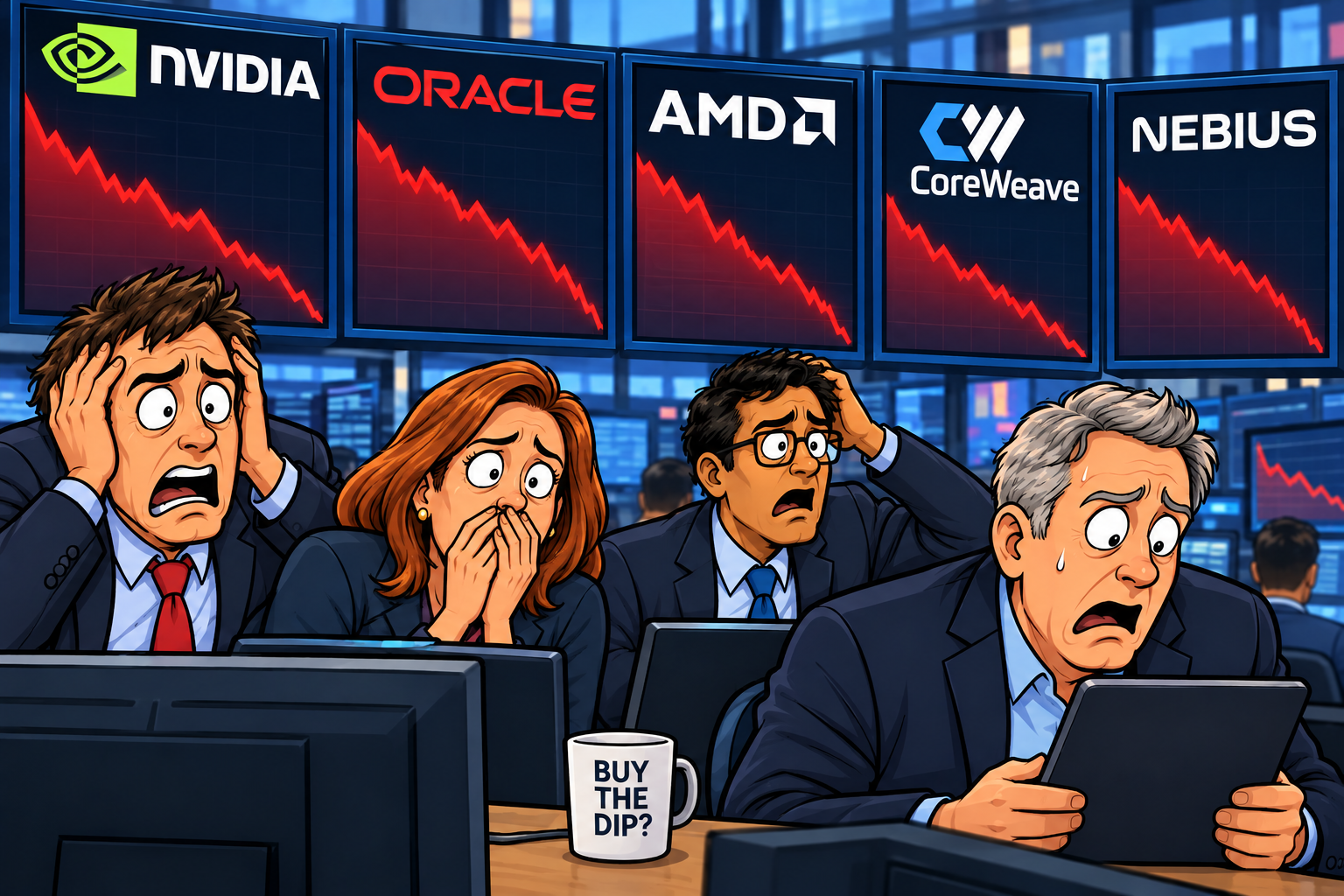
The author predicted a $5,000 investment split between Nvidia and Broadcom will triple by 2028, citing Broadco…

Nvidia is the better pick over AMD, per a Motley Fool analysis
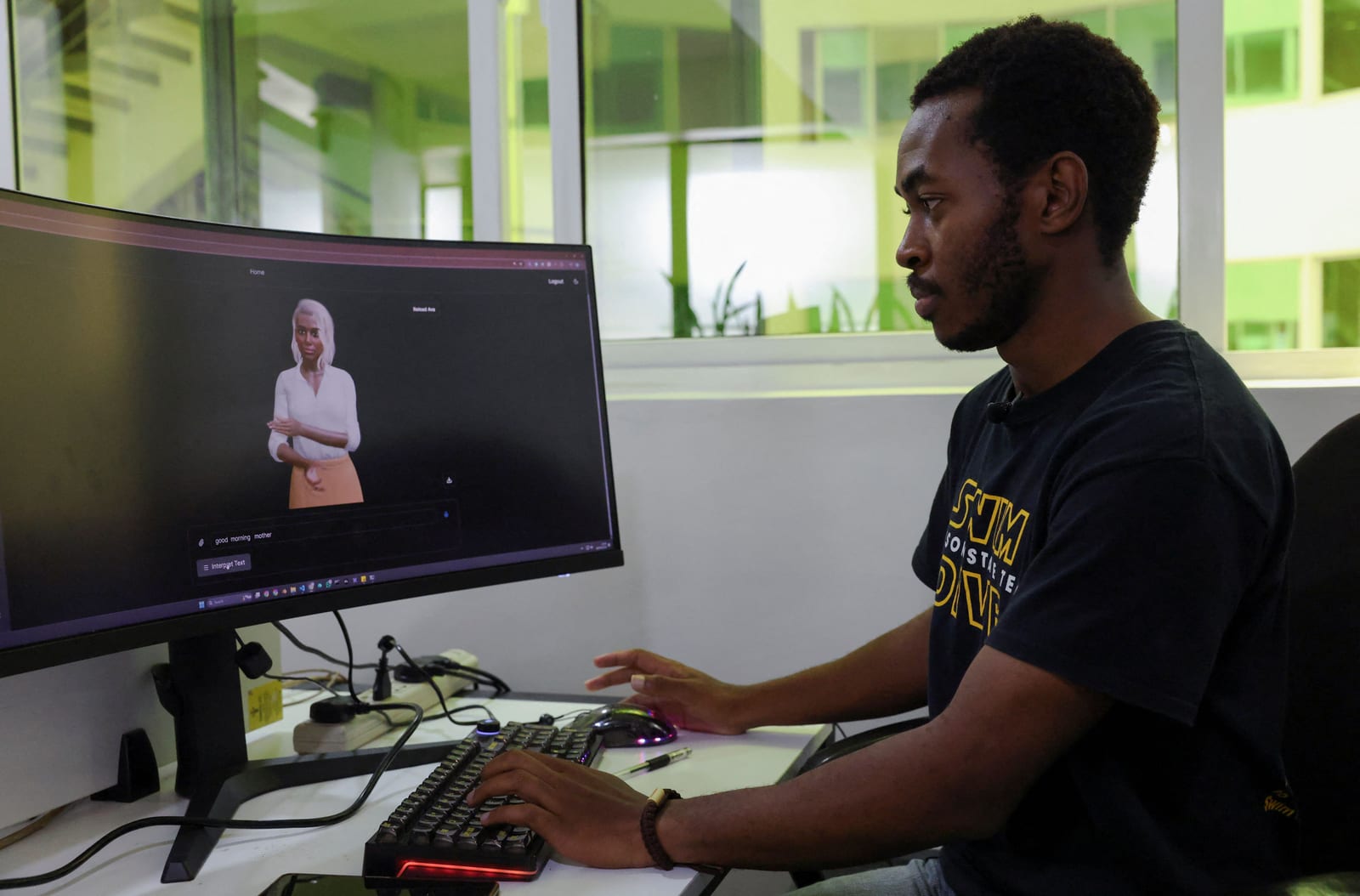
The World Bank's biannual Economic Update argues most African economies should adopt and adapt AI rather than…
Tomek Korbak, Jasmine Wang and Mikita Balesni, fired by OpenAI, released an open letter on Oct