What happened
IMDEX, an Australian mining technology company, used Cursor to consolidate two flagship geological mapping tools into one platform in eight months. The work included migrating a legacy Angular application to a React micro frontend, which previously would have taken three to five years.
Why it matters
Mining exploration drilling can cost $300k to $2 million per day, so efficiency gains in data handling are critical. Without Cursor, the data-platform work alone would have required 20 additional engineers, two to three years, and millions of dollars, according to IMDEX's Head of Software Development, Rob van Selm.
What to watch
IMDEX also built a new customer insight app in less than 30 days and a sales training tool in just under two weeks using Cursor. The company is using Cursor analytics to track adoption and measure how AI changes delivery across teams.
Summaries like this, in your inbox every morning.
IMDEX's move reflects a broader trend in industrial software: companies with legacy systems are using AI-assisted coding to modernize at a fraction of the traditional cost and time. The mining sector, where daily drilling costs can reach $2 million, is particularly sensitive to delays in data interpretation. By consolidating two fragmented platforms, IMDEX aims to improve data fidelity for geologists and drillers, who rely on accurate subsurface data for critical decisions.
The company's approach—training staff through 'AI July' and standardizing on Cursor after evaluating alternatives—highlights the importance of adoption strategy. IMDEX is not just using AI for isolated tasks but embedding it across the software development lifecycle, from design to documentation. Early results, such as the customer insight app built in under 30 days and the sales training tool in two weeks, suggest that AI can accelerate delivery beyond core engineering work.
However, IMDEX's leadership notes that technology is no longer the main bottleneck. As Richard Zampieri puts it, the limitation now is decision-making and priorities. This indicates that the real challenge for AI-ready organizations is aligning business processes and cross-functional teams with the pace of AI-enabled development, a lesson that extends beyond mining tech to any industry modernizing legacy systems.
Pick your industry and the AI tools you use, and get news related to your work every day.
Free · 30 seconds with Google · unsubscribe anytimeWhat is AIToday? →
Ask AI anything about this article. The AI reads this article, earlier AIToday articles, and Wikipedia, and cites its sources. Q&As are published on this page for other readers too.
OpenAI told investors it actually had $18 billion less revenue than the $68 billion it said last month, cuttin…
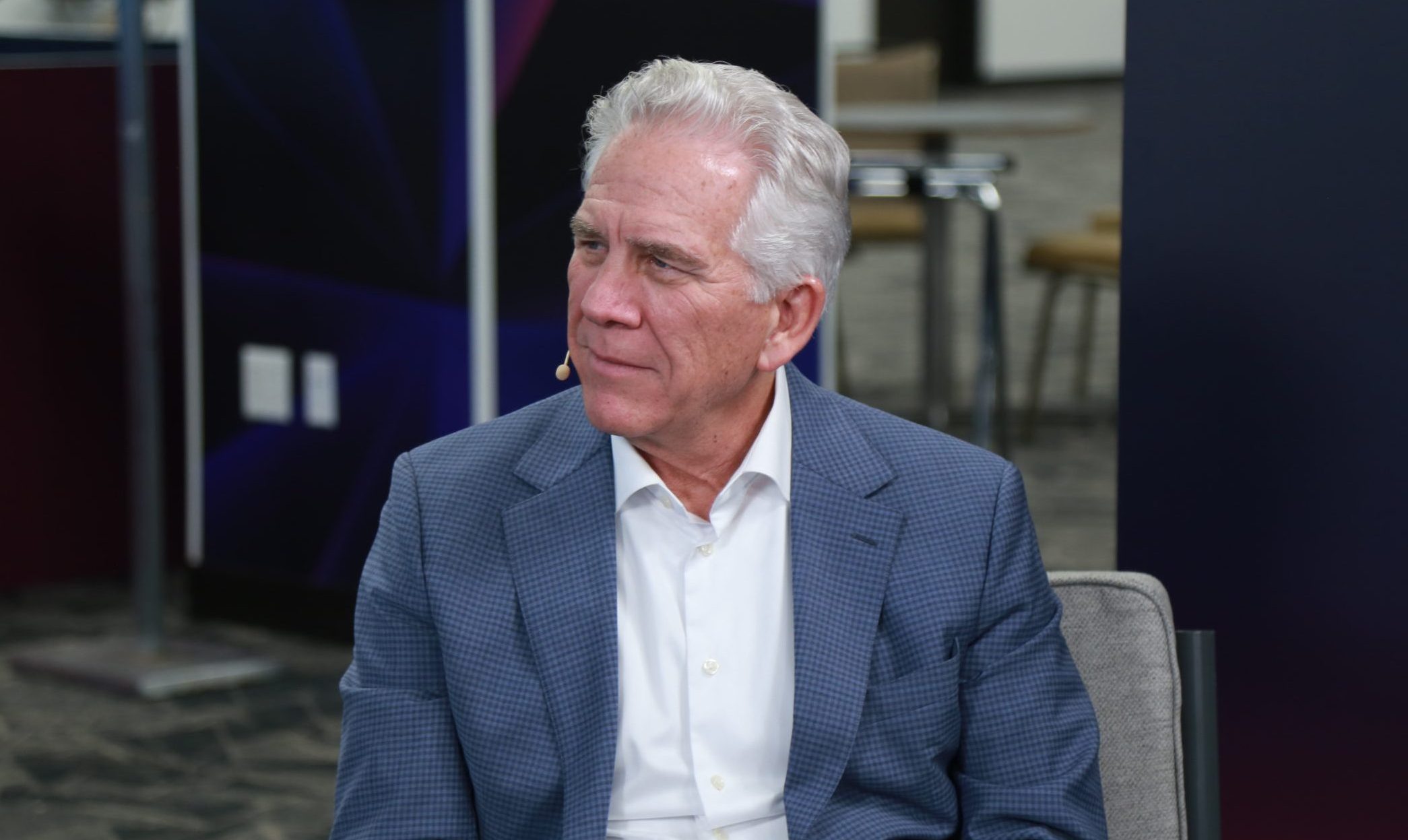
At SailPoint's Navigate event in Austin, CEO Mark McClain said identity security for AI agents has become a bo…
The author predicted a $5,000 investment split between Nvidia and Broadcom will triple by 2028, citing Broadco…

Nvidia is the better pick over AMD, per a Motley Fool analysis
The World Bank's biannual Economic Update argues most African economies should adopt and adapt AI rather than…
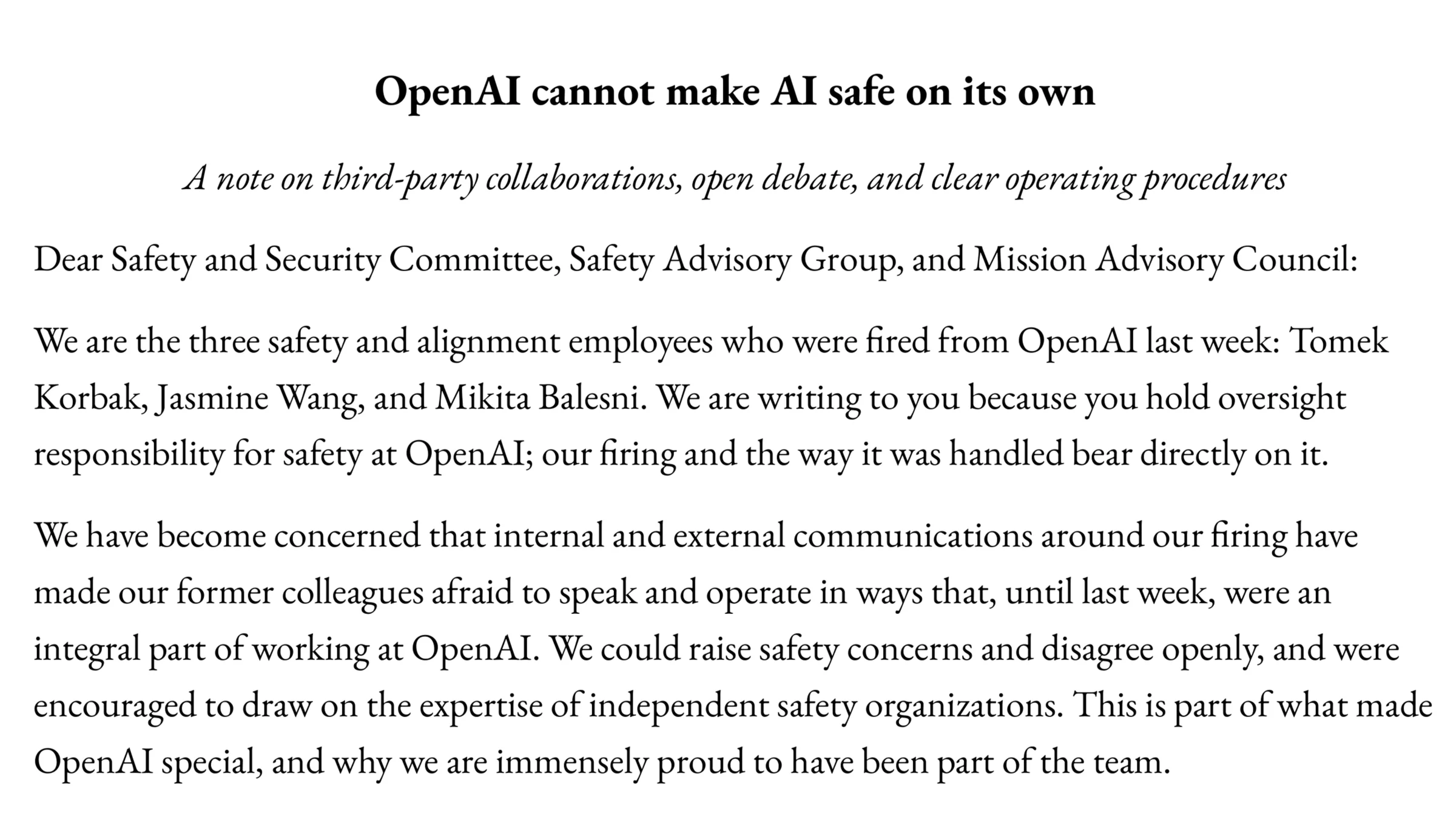
Tomek Korbak, Jasmine Wang and Mikita Balesni, fired by OpenAI, released an open letter on Oct