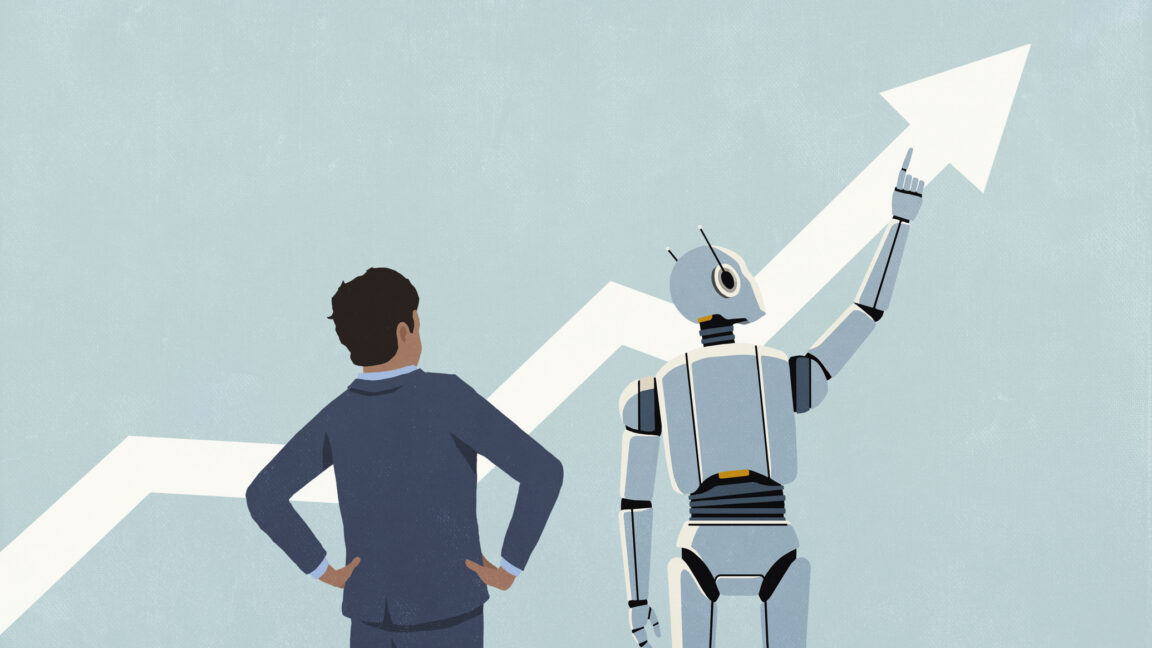
What happened
A Stanford study found that occupations relying on codified knowledge (formal, standardized, documented knowledge) have slower entry-level employment growth, while those relying on tacit knowledge (acquired through practice and mentorship) see faster growth for mid-career and senior workers.
Why it matters
Lead researcher Erik Brynjolfsson warns that current trends suggest a future where pre-AI era jobs persist but many jobs for incoming workers start disappearing. He said the entry-level effects are 'real, persistent and widening,' and he is more worried about a labor market that quietly closes the on-ramp for people starting their careers.
What to watch
The study found that higher education may serve as a buffer—occupations with more college graduates showed more 'muted differences' between AI-exposed and less-exposed jobs, while in jobs with few graduates, least-exposed occupations grew and most-exposed declined.
Summaries like this, in your inbox every morning.
The Stanford study highlights a structural shift in the labor market driven by AI. While overall employment may stay steady, the composition is changing—entry-level roles that depend on standardized, teachable knowledge are seeing slower growth, whereas roles that require hands-on experience and mentorship continue to expand for more seasoned workers. This suggests that the burden of AI disruption falls disproportionately on those just entering the workforce.
The finding that higher education moderates these effects adds nuance. In occupations with more college graduates, the gap between AI-exposed and less-exposed jobs narrows, possibly because advanced training provides a buffer. In contrast, for jobs with fewer graduates, the most AI-exposed roles are shrinking. This could imply that investing in formal education may offer some protection, though the researcher's worry about closing on-ramps indicates that this buffer may not be sufficient for all.
Pick your industry and the AI tools you use, and get news related to your work every day.
Free · 30 seconds with Google · unsubscribe anytimeWhat is AIToday? →
Ask AI anything about this article. The AI reads this article, earlier AIToday articles, and Wikipedia, and cites its sources. Q&As are published on this page for other readers too.
IBM's Bruno Aziza said the number of AI agents employees build will outpace what companies can manage, so firm…
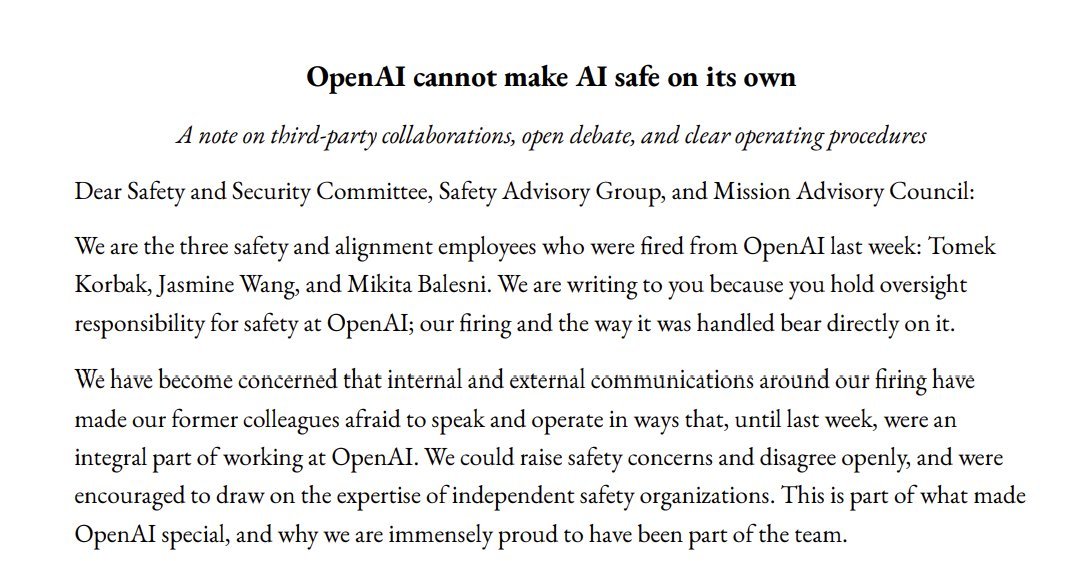
Mikita Balesni, Jasmine Wang, and Tomek Korbak said on October 8 they were fired the previous week and that no…
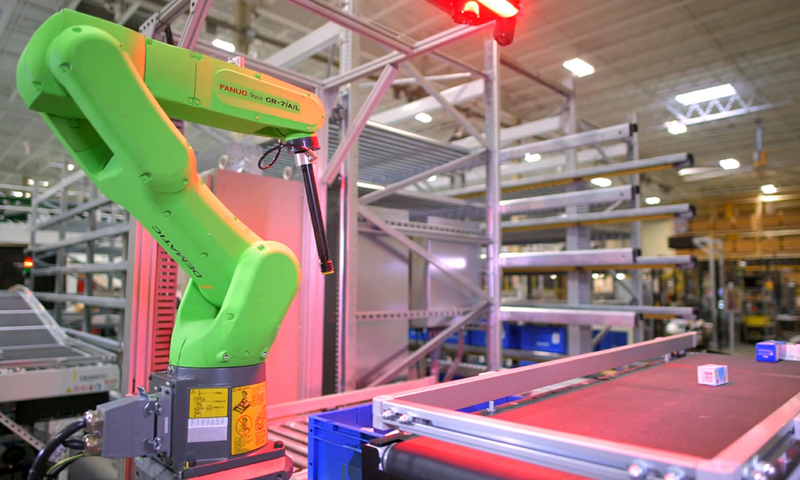
AMD said on Sept. 28 it agreed to buy World Labs, which makes AI models of 3D spaces and robot-training tools…
Nathan Lambert published an essay arguing AI progress will accelerate through engineering and infrastructure g…
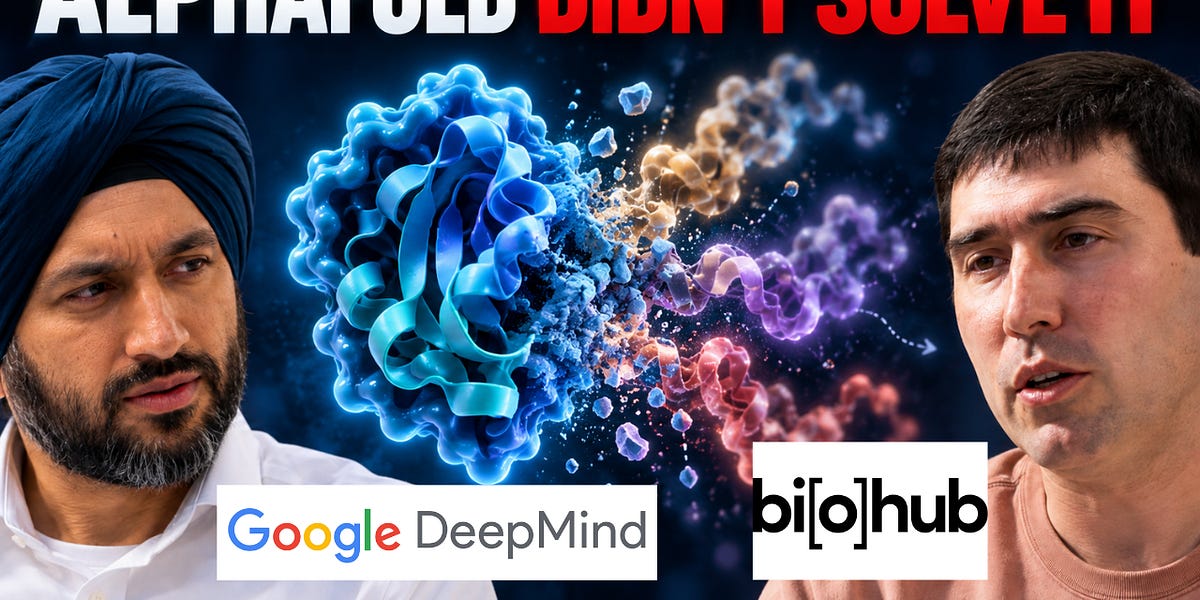
Google DeepMind's Pushmeet Kohli said AlphaFold did not solve protein folding, because proteins are disordered…
ALPHA FORGE's new sandbox.py calls the same inference orchestrator as the daily batch but never calls the ledg…


