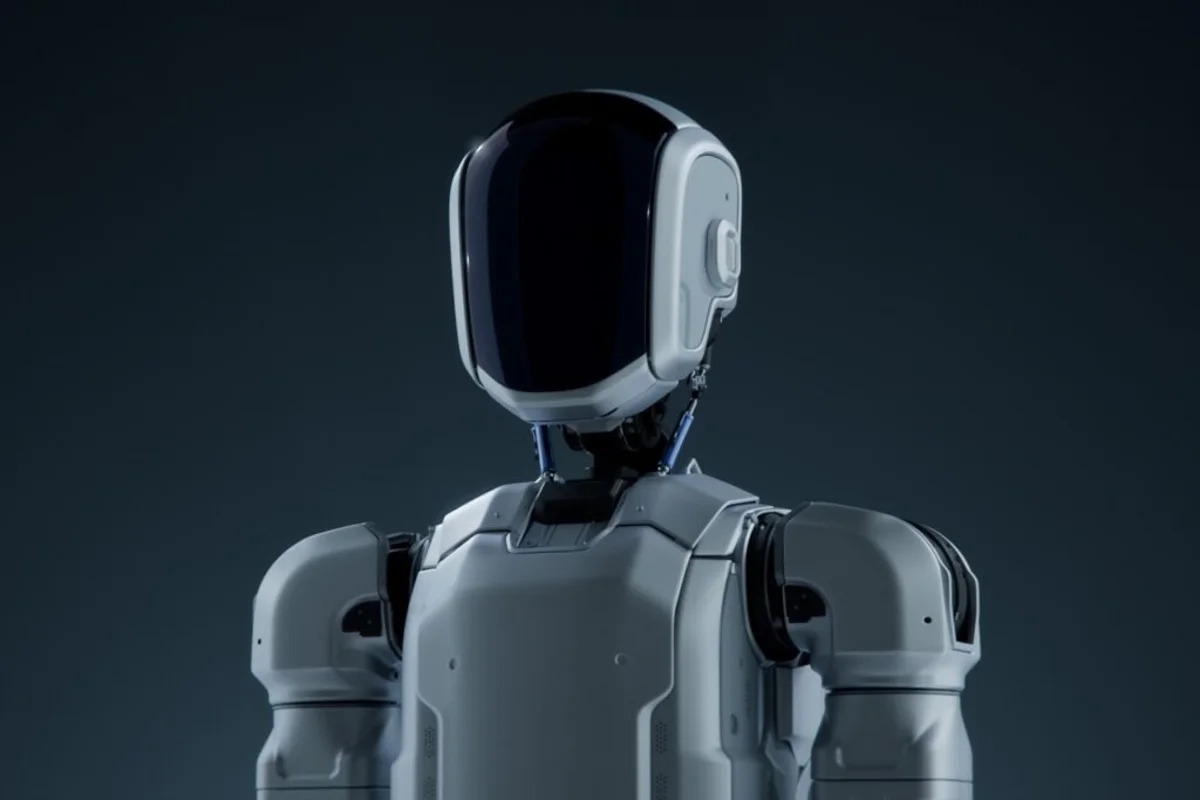
What happened
The FCC on Tuesday announced immediate restrictions on new Chinese-made humanoid robots, quadruped robots, and connected power inverters, applying only to models not yet authorized for sale in the U.S., though the agency retains authority to revoke approvals for previously authorized products.
Why it matters
U.S. officials say these devices could create supply chain vulnerabilities, disrupt economic and national security, and pose cybersecurity risks to American critical infrastructure—particularly in data centers, renewable energy systems, and advanced robotics sectors. The FCC flagged concerns that AI-powered robots with cameras, microphones, and sensors could collect sensitive data, facilitate surveillance, or be remotely controlled by foreign adversaries, and that power inverters connecting solar panels and batteries to grids could be exploited for cyberattacks.
What to watch
FCC Chairman Brendan Carr stated the agency will continue to coordinate with national security agencies on supply chain security, signaling ongoing scrutiny of Chinese technology in critical sectors.
Summaries like this, in your inbox every morning.
The FCC's move reflects the Trump administration's broader effort to secure America's AI supply chains and critical infrastructure from perceived threats posed by Chinese technology. The restrictions focus on two categories of devices—humanoid and quadruped robots, and power inverters—both of which play roles in sectors deemed essential to the U.S. AI future. The concern centers on dual-use risks: AI-powered robots equipped with sensors and cameras could facilitate surveillance or data collection on behalf of foreign actors, while power inverters embedded in data centers and renewable energy systems could serve as vectors for cyberattacks. By restricting only new models not yet authorized for sale, the FCC has limited the immediate disruption to existing supply chains while signaling willingness to revoke prior approvals if warranted. FCC Chairman Brendan Carr's statement about coordinating with national security agencies suggests this action is part of a coordinated government strategy, implying further restrictions on Chinese technology in critical sectors may follow.
Pick your industry and the AI tools you use, and get news related to your work every day.
Free · 30 seconds with Google · unsubscribe anytimeWhat is AIToday? →
Ask AI anything about this article. The AI reads this article, earlier AIToday articles, and Wikipedia, and cites its sources. Q&As are published on this page for other readers too.
Meta's new commercial terms, effective October 30th, appear to let it crawl and train AI on content from websi…

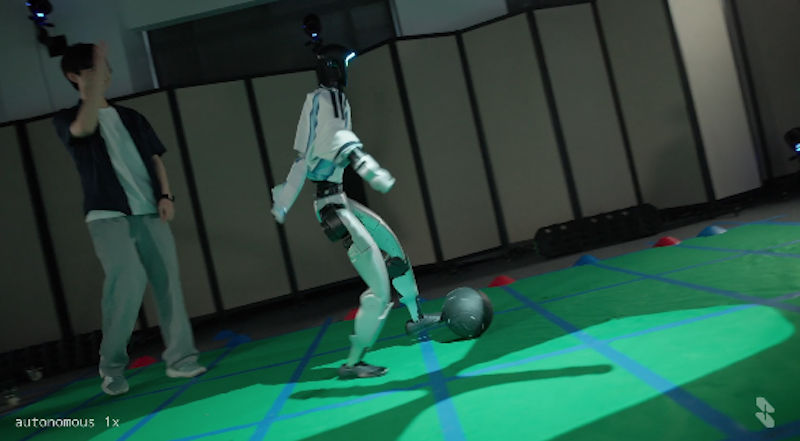
Skild AI used Nvidia Isaac Sim to give its S1 model one objective — score a goal — and let it compete against…
Taiwan is considering much stricter export controls on AI chip sales to China, part of a greater alignment wit…

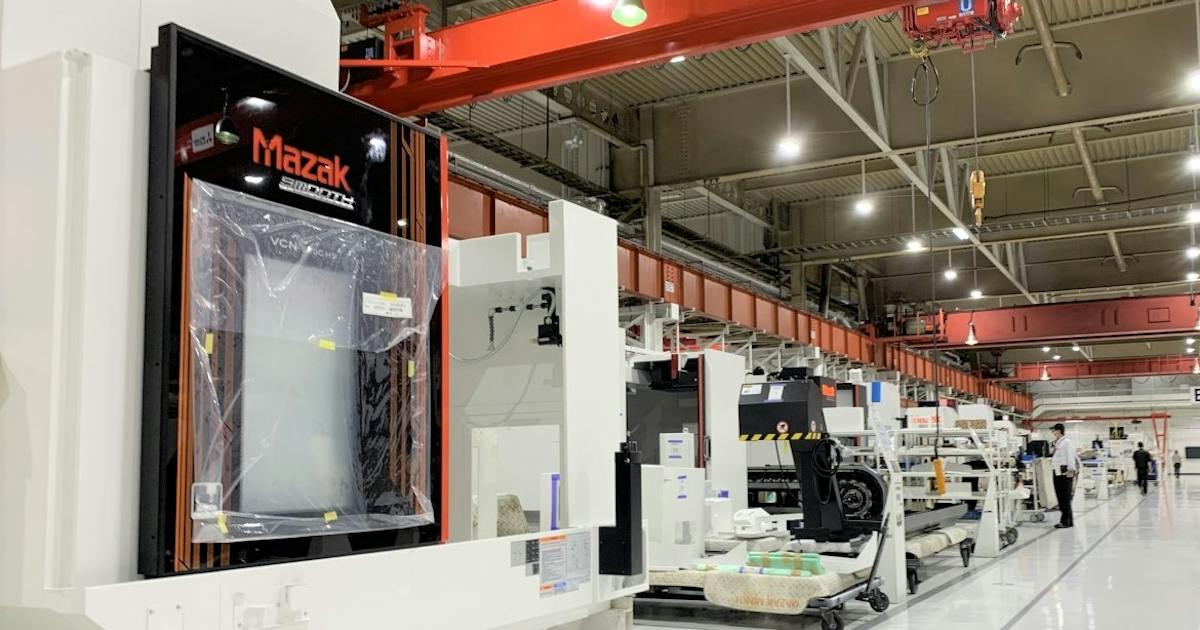
Yamazaki Mazak and ABEJA said on the 16th they will start joint development of physical AI, using ABEJA's ABEJ…
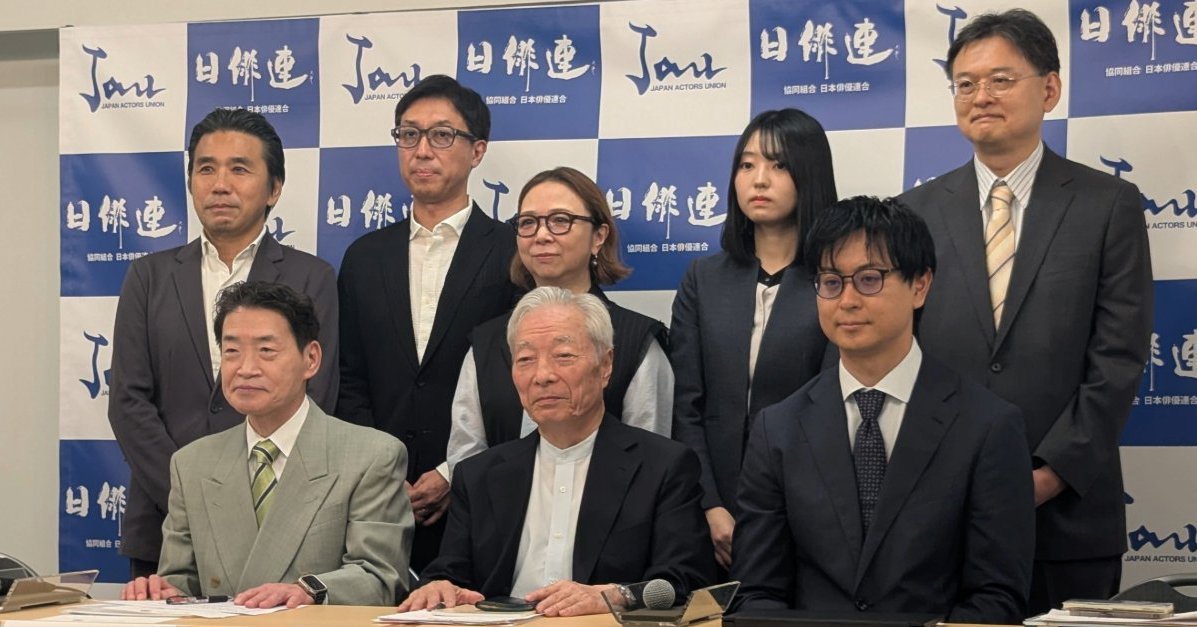
Nichiren announced its generative AI voice usage guideline on October 15, built on three pillars: prior notice…
At the Most Powerful Women Summit, Marissa Mayer said anyone who claims to know how AI will play out is 'eithe…