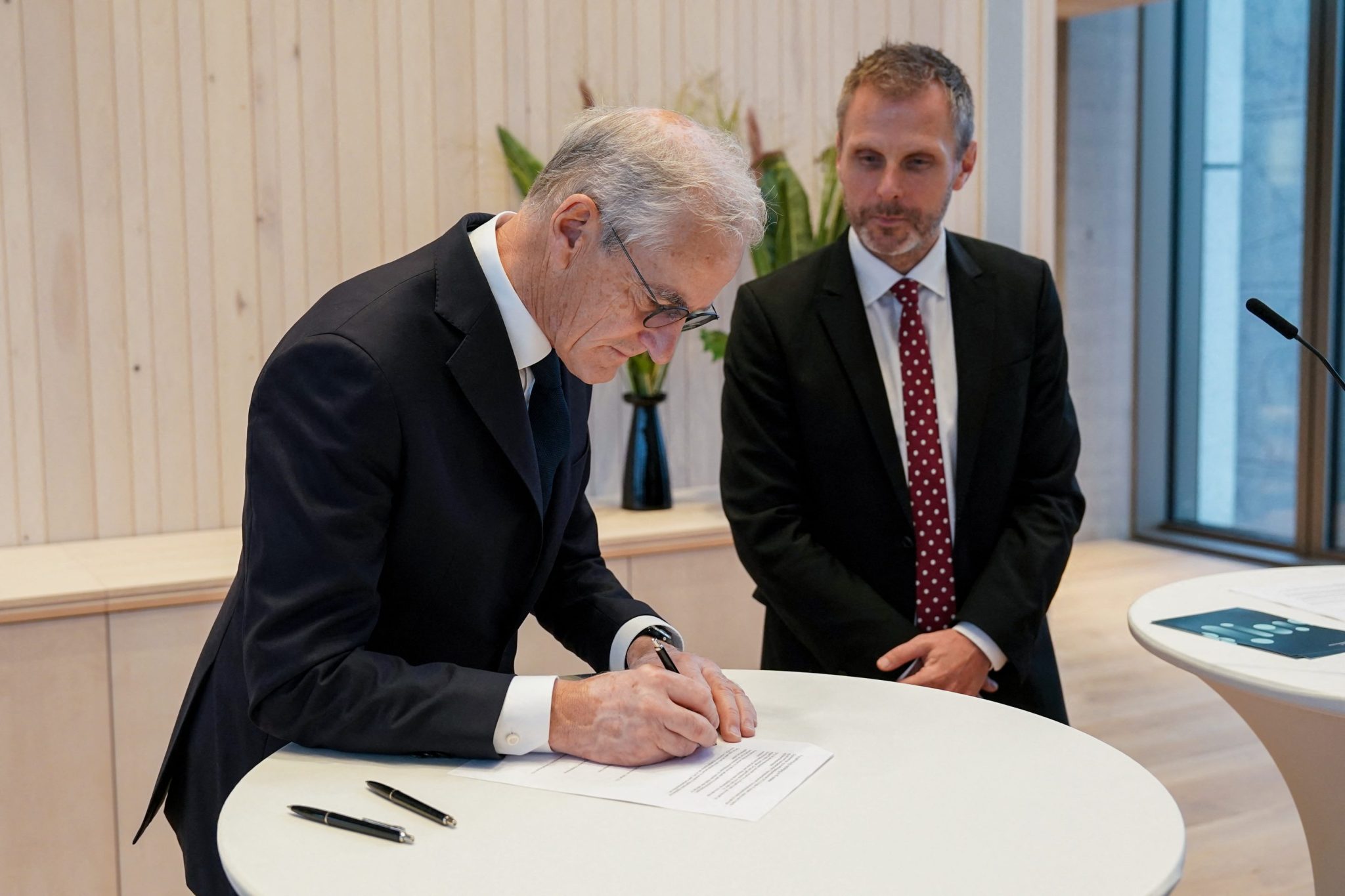
What happened
Norway's government said it will ask parliament, the Storting, "as soon as possible" to enact a temporary ban on AI glasses where "privacy is particularly important." It named healthcare facilities, fitness centers with changing rooms and showers, schools, kindergartens, playgrounds and youth clubs, and said concerts, sporting events, parks, beaches, museums and shopping centers could also be covered.
Why it matters
The measure is temporary, giving authorities time to decide which devices might be affected and hold an "informed debate" that could lead to permanent regulation. The government stressed it is not proposing a total ban, and said AI glasses should still be allowed in some places and for private use.
What to watch
The government is weighing exceptions to the ban for vulnerable groups, so "socially beneficial uses" of smart glasses could be permitted in some circumstances. Watch whether the Storting takes up the proposal, which the government said will be made "as soon as possible."
WHO IT HITSNorway's proposal lands on operators and staff of healthcare facilities, gyms, schools, kindergartens and other spaces where children gather, who may face new rules on the use of smart glasses on their premises. Wearable-device makers and their regulators in other countries are likely watching how Norway draws the line between private use and restricted public spaces.
Summaries like this, in your inbox every morning.
Norway's move comes as smart glasses make it easier to photograph, film and record people without their knowledge in ordinary public settings — a trip to the park, a day at the beach, a workout at the gym. The government frames the proposal as a way to pause, not to prohibit: it says it is not seeking a total ban on AI glasses, and that the devices should still be allowed in some places and for private use. It is also considering exceptions for vulnerable groups, so that what it calls "socially beneficial uses" could be permitted in some circumstances.
The proposal sits alongside other attempts to set boundaries, with mixed results. California's governor last week vetoed legislation that would have penalized recording people without permission in places like changing rooms and doctor's offices, and Microsoft last month announced guardrails and privacy standards for its AI in schools, negotiated with the second-largest teachers union in the United States. Norway's own debate is still open on where the line falls: healthcare facilities and changing rooms sit at one end, while parks, beaches, museums and shopping centers could also be covered.
What this hinges on is how broadly the Storting defines the restricted spaces and which devices fall under the temporary ban. Makers and users of AI glasses face the most uncertainty, but so do the schools, gyms and health facilities that would have to apply any new rules. The government's promise of an "informed debate" suggests the current proposal is a placeholder, and that the harder question — where private use ends and public restriction begins — is still to be settled.
Pick your industry and the AI tools you use, and get news related to your work every day.
Free · 30 seconds with Google · unsubscribe anytimeWhat is AIToday? →
Ask AI anything about this article. The AI reads this article, earlier AIToday articles, and Wikipedia, and cites its sources. Q&As are published on this page for other readers too.
Taiwan is considering much stricter export controls on AI chip sales to China, part of a greater alignment wit…

Nichiren announced its generative AI voice usage guideline on October 15, built on three pillars: prior notice…
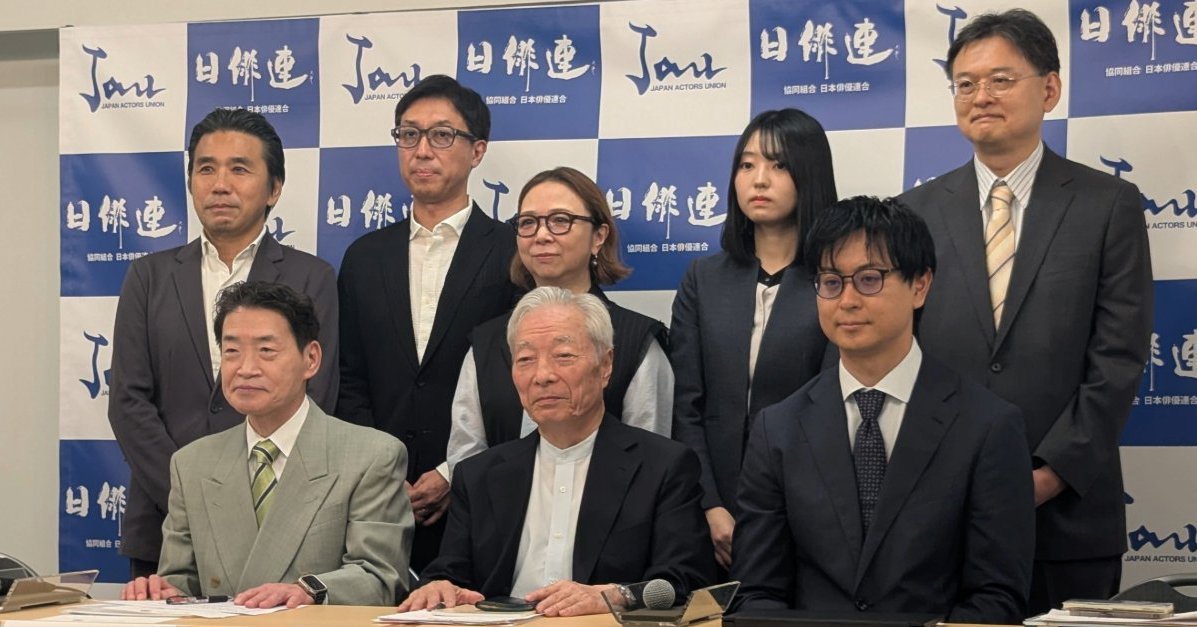
At the Most Powerful Women Summit, Marissa Mayer said anyone who claims to know how AI will play out is 'eithe…
SHIFT announced it began a project for the Acquisition, Technology & Logistics Agency (防衛装備庁) covering AI-rela…
After its first meeting Thursday, the White House AI task force formally adopted its charter, opening a 120-da…
Anthropic announced a revised Claude usage policy on October 8, 2026 that applies from November 12, 2026, rewr…


