What happened
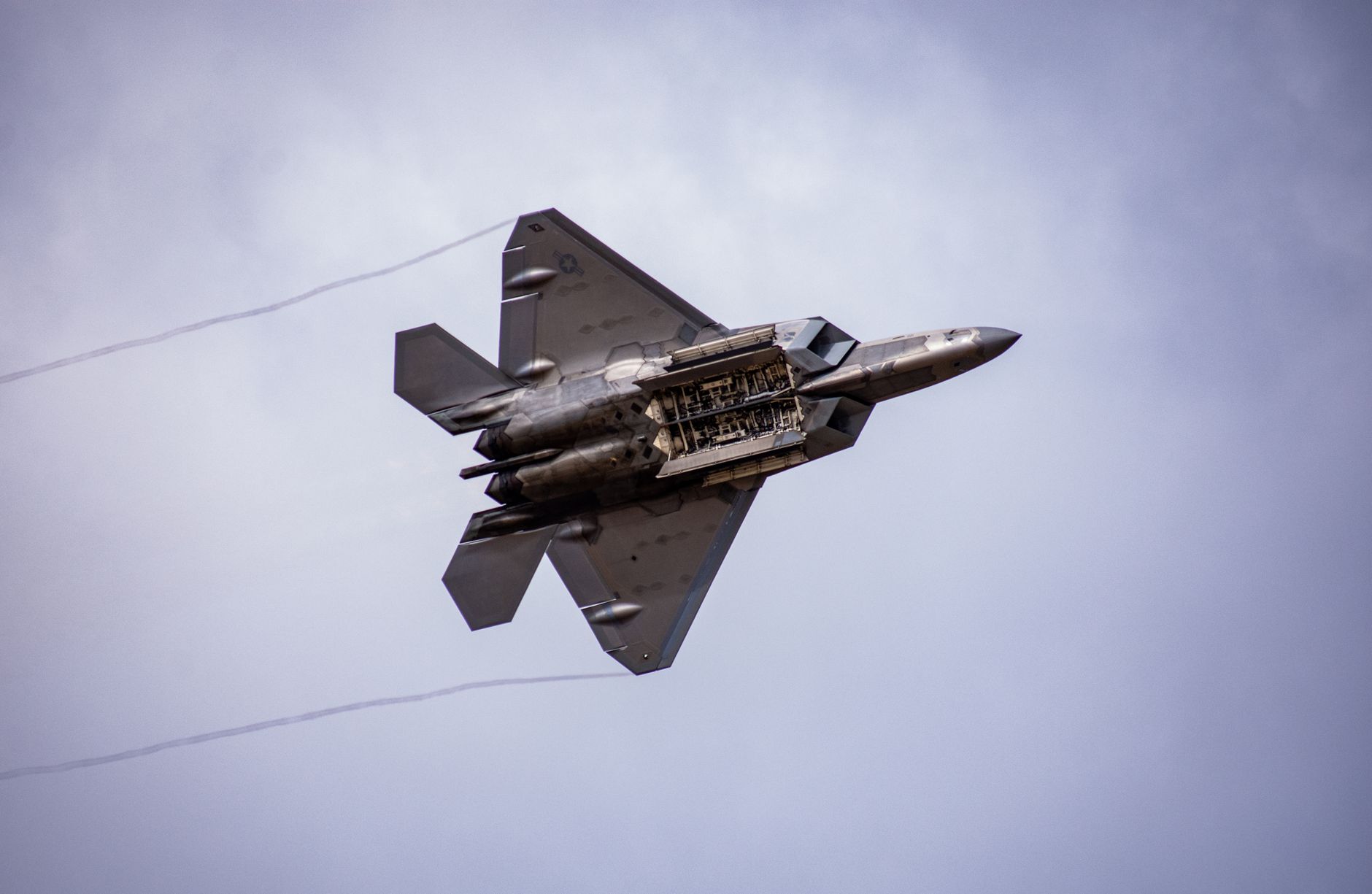
Lockheed Martin announced on August 4, 2026, that an AI agent flew a modified F-16 (the X-62 VISTA testbed) into 27 intercepts against a live T-38 target across eight sorties at Edwards Air Force Base, California. The AI used real-time sensor data from a Legion Pod equipped with an IRST21 heat-signature detector to track and maneuver into tactical intercept positions.
Why it matters
This marks a shift from earlier simulated-data tests to live operational sensor feeds—the company argues this better reflects what actual combat pilots would experience. Ron Fehlen, vice president at Lockheed Martin Skunk Works, said the flights demonstrated the AI could reliably "close the sensor-to-action loop" aboard an operational combat aircraft, processing classified infrared data and executing maneuvers in real time. The testbed represents a stepping stone for the wider U.S. Air Force autonomy effort, which has awarded production contracts for Collaborative Combat Aircraft and is testing autonomous systems on conventional F-16s.
What to watch
The X-62 began a Mission Systems Upgrade in December 2025, funded by the Pentagon's Test Resource Management Center, adding advanced radar and sensor integration. Lockheed Martin said this upgrade will let the aircraft demonstrate integration of combat systems, sensors, and airborne AI agents within a mesh network.
Summaries like this, in your inbox every morning.
Lockheed Martin's August 4, 2026, announcement reflects a maturation in AI integration for combat aircraft—the transition from controlled simulation to live operational sensor data represents a critical threshold in validating autonomous flight systems for real-world air combat. The Legion Pod and IRST21 sensor pairing is significant because passive heat-signature detection mimics operational constraints: a real combat environment demands minimal electromagnetic emissions to avoid detection, and the AI's ability to process classified infrared feeds in real time and execute tactical maneuvers without human intervention signals a step toward autonomous air combat capabilities.
The X-62 testbed sits at the center of the U.S. Air Force's broader autonomy strategy. Earlier, in September 2023, the same aircraft hosted DARPA's Air Combat Evolution program, which conducted the first AI versus human dogfights. Now, with the Mission Systems Upgrade (funded by the Pentagon's Test Resource Management Center and begun in December 2025) adding advanced radar and sensor integration, the platform is positioned to demonstrate multi-system coordination and mesh-network collaboration—capabilities that extend beyond single-aircraft autonomy. This parallels wider Air Force efforts: on June 17, 2026, the service awarded Collaborative Combat Aircraft production contracts to Anduril and General Atomics, and separately tests autonomy aboard conventional F-16s under the VENOM program at Eglin Air Force Base.
Pick your industry and the AI tools you use, and get news related to your work every day.
Free · 30 seconds with Google · unsubscribe anytimeWhat is AIToday? →
Ask AI anything about this article. The AI reads this article, earlier AIToday articles, and Wikipedia, and cites its sources. Q&As are published on this page for other readers too.
JR Central announced the S0系 on October 16, its first full model change since the N700S, with commercial servi…

Wells Fargo hired an AI executive based in San Francisco, a move The Business Journals describes as part of em…

Amazon launched two Bee "personal AI" devices on Thursday: the $74.99 Bee Frontier wristband and the $99.99 Be…

Apple released MLX today, which runs the 816B-parameter Muse Spark Open on four Mac Studios at over 36 tokens…

Bloom Energy stock fell 4% to $229.83, still up 165% year to date, while Caterpillar slipped 3% to $727.55 and…
LogicMonitor announced its 2026 Elevate Award winners at its Elevate Community Conference in Chicago, honoring…