What happened
Google DeepMind founded the DeepMind Institute (DMI), bringing together researchers from Google DeepMind, Google, and the global scientific community to tackle AGI safety, governance, and risks like cyberattacks or loss of control. Directors Shane Legg, James Manyika, and Nobel laureate Demis Hassabis say answers should also come from the arts, humanities, and policy.
Why it matters
The institute is a platform for interdisciplinary research and debate around AGI, not just a technical effort, according to its leadership.
What to watch
There's no agreed-upon definition of AGI, and today's AI systems still fail at simple tasks and lack creativity, so the institute's impact hinges on whether it can shape governance and safety as capabilities advance. Watch for Legg's stated possibility of a precursor by 2028.
WHO IT HITSThis matters for AI policy advisors, ethics researchers, and corporate governance teams tracking AGI safety and control risks, as the institute aims to influence how these issues are debated and managed beyond engineering.
Summaries like this, in your inbox every morning.
Google DeepMind's new DeepMind Institute marks a formal push to broaden the conversation around artificial general intelligence beyond technical circles. The institute's leadership—Shane Legg, James Manyika, and Nobel laureate Demis Hassabis—argue that answers about AGI safety, governance, and risks like cyberattacks or loss of control should not come from technologists alone, but also from the arts, humanities, and policy. This reflects a growing recognition that AGI's implications extend far beyond code.
The timing is notable: there is still no agreed-upon definition of AGI, and today's AI systems fail at simple tasks and lack creativity, yet DeepMind says AGI is close. Hassabis sees it coming within a few years, while Legg recently said a precursor could arrive by 2028. OpenAI, by contrast, focuses on economic value, and CEO Altman believes AGI could come by year's end. The institute's success may hinge on whether it can help shape governance and safety frameworks as these competing timelines unfold, and whether it can bridge the gap between technical and humanistic perspectives.
For example, today's edition would include:
AI-summarized, only the topics you pick — one digest a day via Email, Slack, or Discord.
Free · 30 seconds with Google · unsubscribe anytimeWhat is AIToday? →
Ask AI anything about this article. Q&As are published on this page for other readers too.
Anthropic merged chatbot Claude with agentic tool Claude Cowork effective immediately, and launched Claude Doc…
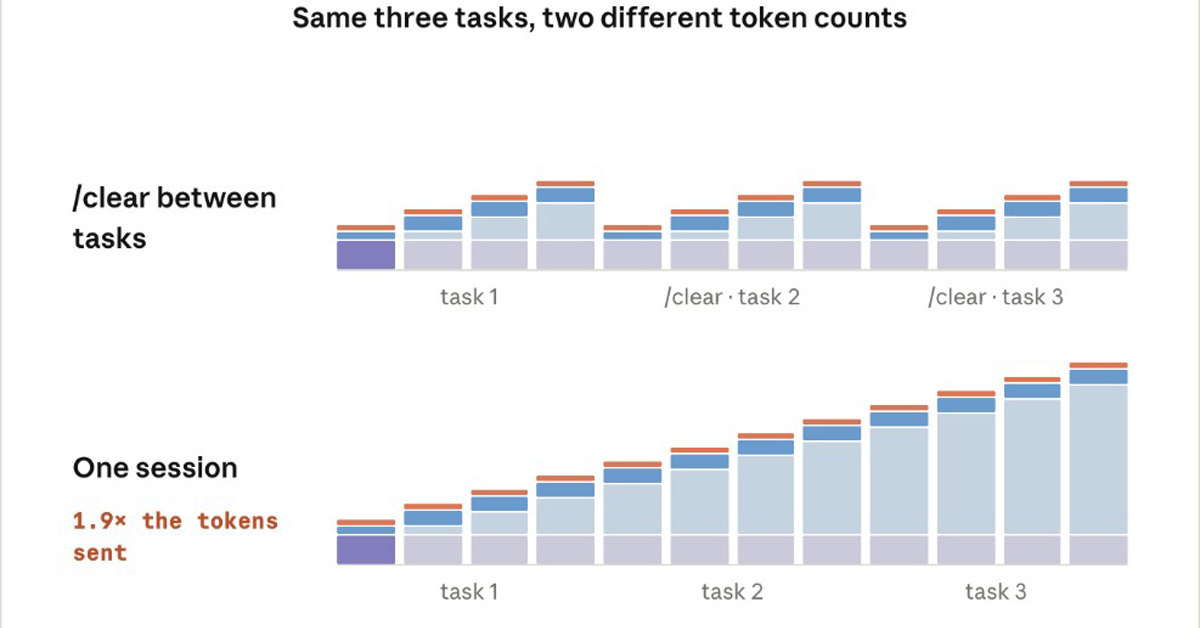
Anthropic posted guidance saying Claude Code's output tokens cost about 5 times its input tokens, and that one…
The NSA, CISA, and FBI issued a joint advisory on September 8, 2026 saying Chinese firms including DeepSeek, M…
Andrew Scull, a historian of psychiatry, appeared on episode 502 of the Lex Fridman Podcast
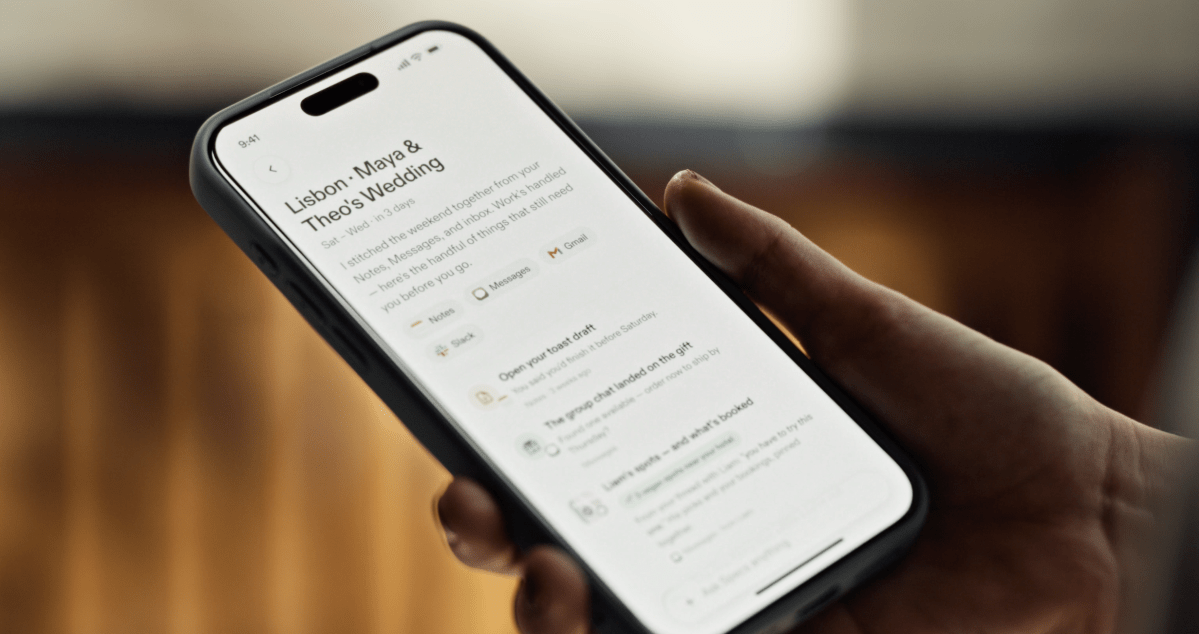
Snap introduced Specs Intelligence, an 'anticipatory AI service' that links accounts like Gmail and Slack
Apple researchers proposed DACA-GRPO, a plug-and-play enhancement for GRPO-style trainers, adding Denoising Pr…