
What happened
A UN official expert meeting on Lethal Autonomous Weapons Systems (LAWS) has finalized a report stating that responsibility for their use lies with states and individuals, and confirming that existing international humanitarian law applies.
Why it matters
The report, though non-binding, sets a foundation for future regulation and marks a rare consensus among major powers like the US and Russia. It could revive stalled discussions, especially with a CCW review conference in November.
What to watch
The report's adoption was difficult, with the US and Russia demanding amendments. Whether binding rules emerge may hinge on the November CCW conference and progress after the report's official release.
Summaries like this, in your inbox every morning.
The UN's effort to regulate autonomous weapons has been gridlocked, but this report marks a first formal step in years. The consensus among major powers, including the US and Russia, is significant, though it came after intense negotiations that extended beyond the scheduled meeting. The report's confirmation that international humanitarian law applies to LAWS sets a clear baseline, even if it is not enforceable.
The upcoming CCW review conference in November will be a key test of whether this consensus can translate into binding rules. The UN Secretary-General has already called for immediate negotiations. However, the difficulty in reaching agreement on this report suggests that binding legislation will face substantial hurdles, particularly from major military powers. The outcome will depend on whether states see shared interests in limiting autonomous weapons or prioritize military advantages.
Pick your industry and the AI tools you use, and get news related to your work every day.
Free · 30 seconds with Google · unsubscribe anytimeWhat is AIToday? →
Ask AI anything about this article. The AI reads this article, earlier AIToday articles, and Wikipedia, and cites its sources. Q&As are published on this page for other readers too.
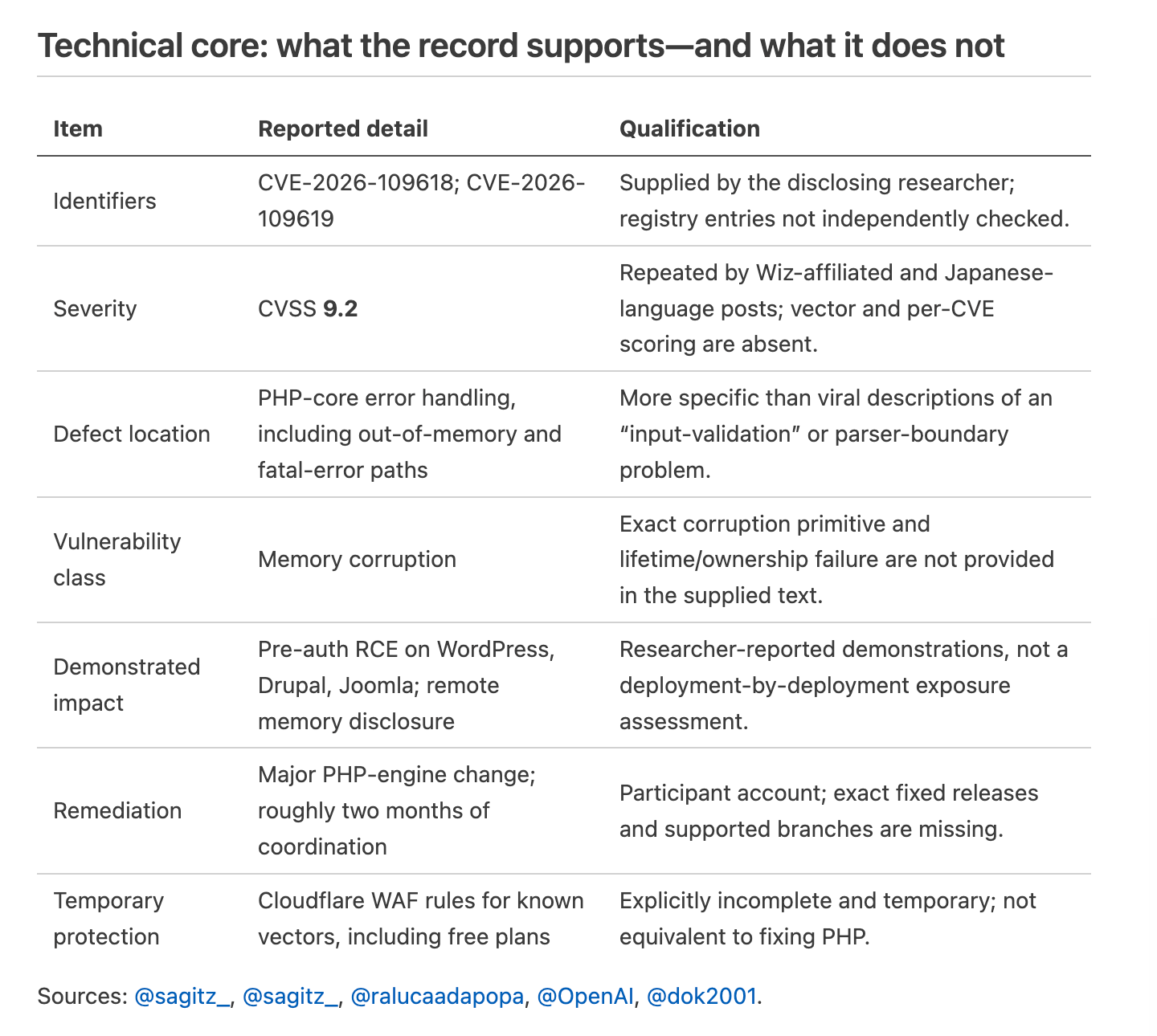
OpenAI says Calif researchers using GPT 5.6 Sol under its "Patch the Planet" project found the PHP2Shell flaws…
Counting the public CSVs (fetched Oct 22, 2026) showed HarmBench's 400 text prompts contain 0/400 lines with n…

Level 3 (L3) autonomous driving penetration in China is forecast to exceed 35% by 2030, supported by falling s…

OpenAI's GPT-5.6 Sol found two critical PHP vulnerabilities, CVE-2026-109618 and CVE-2026-109619, collectively…

SafeDep found malicious files in all seven packages of LiteLLM 1.107.0, published on PyPI on October 21, 2026…

A LessWrong essay warns that autonomous researchers — which OpenAI says it aims to fully automate by March 202…