What happened
Counting the public CSVs (fetched Oct 22, 2026) showed HarmBench's 400 text prompts contain 0/400 lines with non-ASCII characters and StrongREJECT 1/313, so Japanese behaviour goes untested.
Why it matters
A high refusal score on these sets only reflects behaviour on the benchmark's own fixed prompts, so an app serving Japanese users cannot treat it as evidence of how it will respond in Japanese.
Summaries like this, in your inbox every morning.
A practical mismatch is the starting point: HarmBench and StrongREJECT scores are widely quoted when comparing model safety, but each measures behaviour under a fixed language, a fixed input channel, and a fixed definition of failure. The author therefore counts the published CSVs directly rather than relying on the papers' summary tables, and the counts make the gap concrete.
The category breakdown adds a second caution. HarmBench's harassment_bullying category holds 25 items and harmful holds 22, so a per-category result can move several points on a single item. StrongREJECT, meanwhile, draws 221 of its 313 items from its own custom set and the rest from existing data such as AdvBench, and JBB-Behaviors is reported as 18% AdvBench and 27% TDC/HarmBench-derived, so strong results across several benchmarks may partly re-measure the same source data rather than provide independent evidence.
HarmBench's paper excludes dual-intent requests, the kind that can be legitimate or abusive and are often the hardest call in real operations. On the agent side, AgentHarm's paper reports that major models readily comply with malicious agent tasks even without jailbreaking, suggesting refusal strength as a chat model does not automatically carry over to agent behaviour. The recommended use is to treat benchmark numbers as meaning no more than "this is what happened under these conditions."
Pick your industry and the AI tools you use, and get news related to your work every day.
Free · 30 seconds with Google · unsubscribe anytimeWhat is AIToday? →
Ask AI anything about this article. The AI reads this article, earlier AIToday articles, and Wikipedia, and cites its sources. Q&As are published on this page for other readers too.
Schneider Electric, Nvidia and HPE formed a strategic collaboration to launch Industrial AI Agents at the Edge…
OpenAI says Calif researchers using GPT 5.6 Sol under its "Patch the Planet" project found the PHP2Shell flaws…
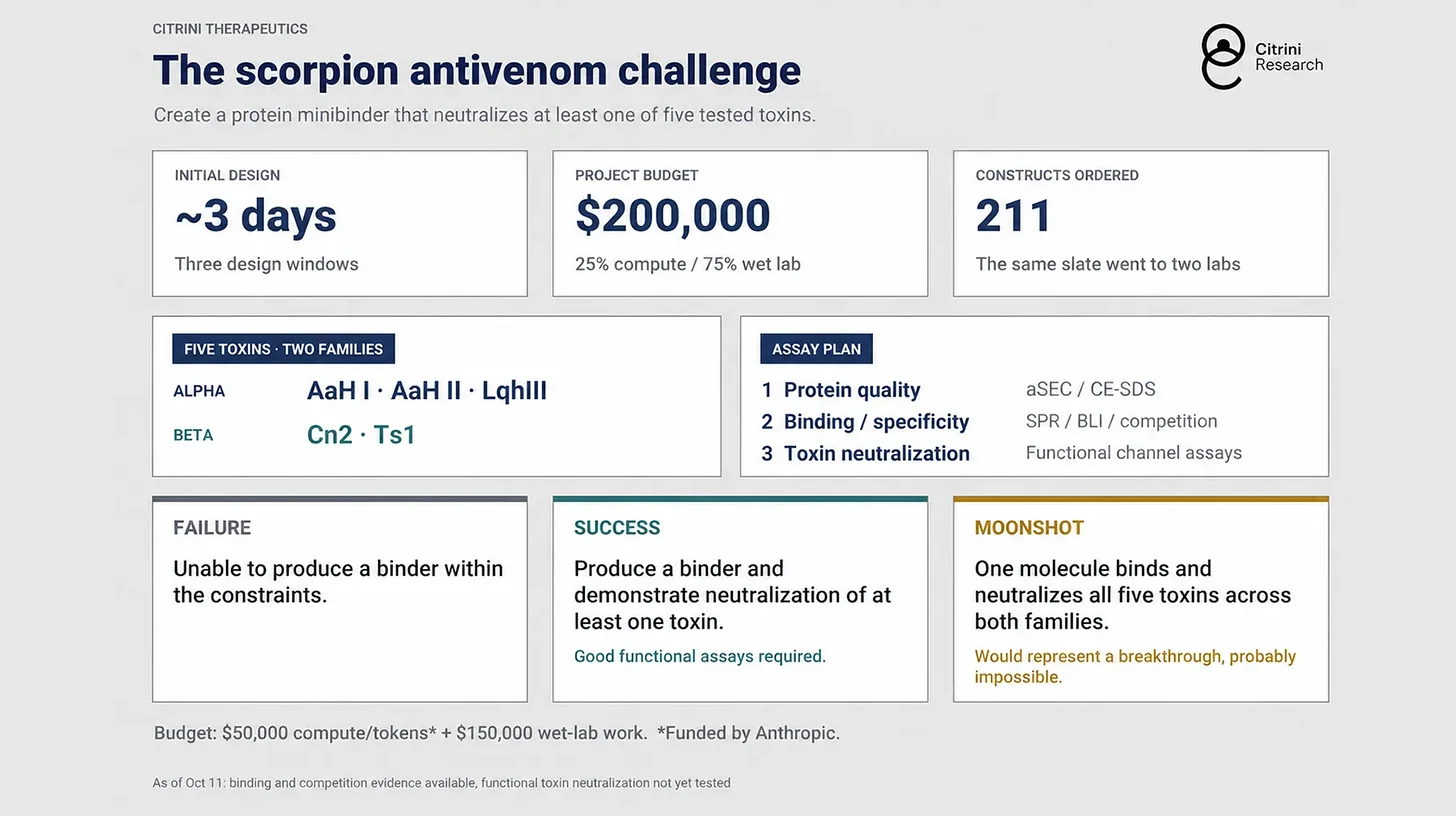
Anthropic reported that an internal version of Claude generated 318,484 candidates over a 64-hour run and sele…
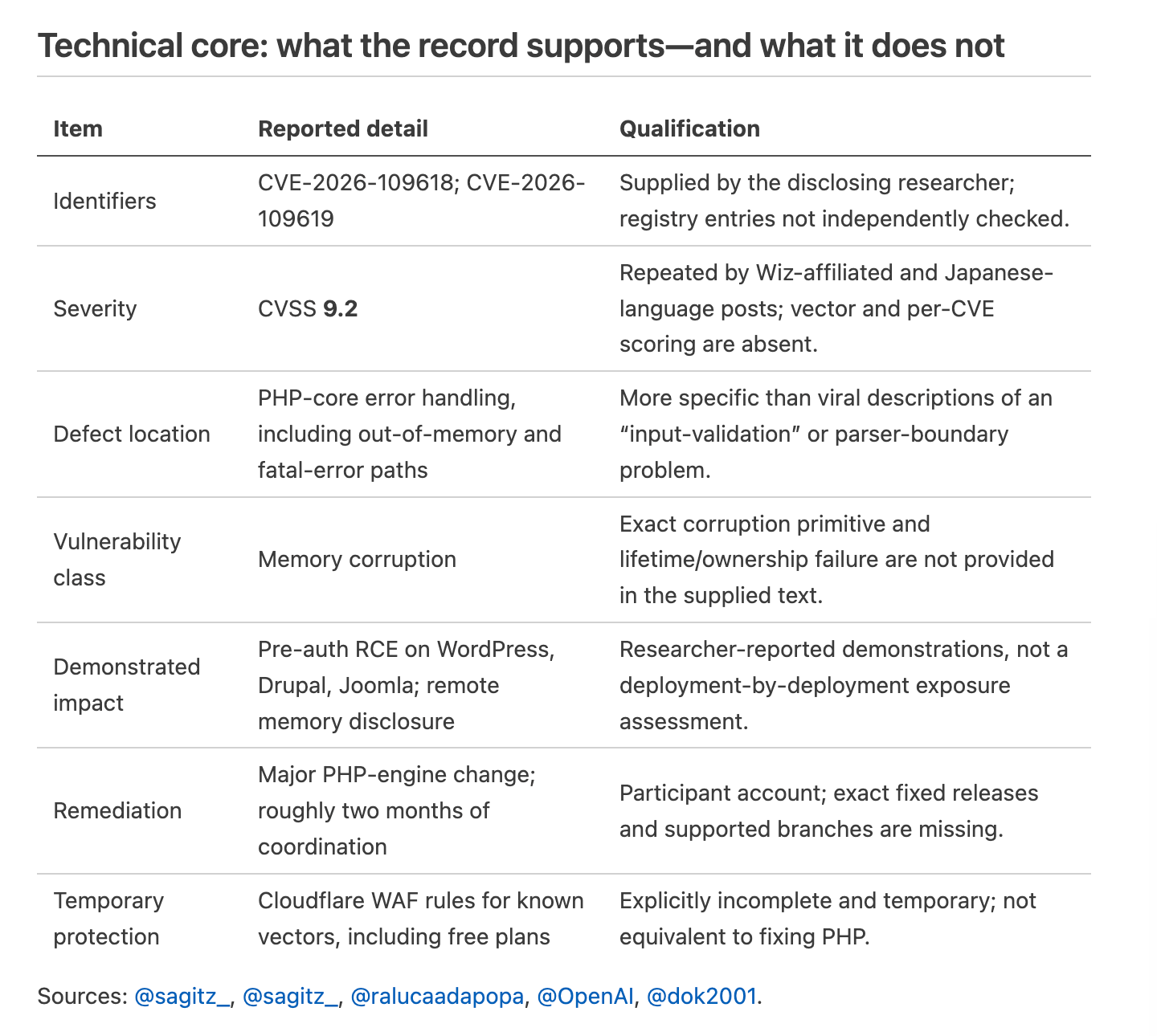
OpenAI's GPT-5.6 Sol found two critical PHP vulnerabilities, CVE-2026-109618 and CVE-2026-109619, collectively…
KDDI developed an AI agent for 1対N remote monitoring in レベル4 autonomous driving
Impress is publishing a book on October 22 featuring 100 practical "oshi-waza" ideas for Gemini Notebook (form…