Amazon and Alphabet's latest earnings demonstrate a self-reinforcing economic model at the center of the AI boom: they invest in cloud infrastructure for AI, their customers pay to access it, and the resulting profits fund further expansion.
This reveals how AI adoption is concentrated within a cycle that primarily benefits the largest cloud providers.
What happened
Amazon and Alphabet both posted strong profits, driven by cloud computing revenue tied to AI workloads—revenue that comes largely from companies building AI systems that depend on the infrastructure these tech giants provide.
Why it matters
The companies' earnings reveal a circular dynamic: cloud providers invest heavily in AI infrastructure, their customers pay them to use it, and that revenue funds further investment. This concentration of profit in a few large players underscores how AI adoption is structured around dependency on a small number of foundational service providers.
What to watch
Whether this profit cycle remains durable as competition for AI infrastructure intensifies and customer margins on AI services narrow.
Ask the AI about this article →
Amazon and Alphabet's recent earnings highlight a structural feature of the AI boom that has significant competitive and economic implications. Rather than AI adoption spreading uniformly across the technology sector, it is concentrating profit and investment within the companies that control foundational cloud infrastructure. The circular nature described in the article—where customers' AI spending directly finances the providers' next round of infrastructure expansion—creates a powerful feedback loop that makes it difficult for smaller or newer entrants to compete. This dynamic is economically efficient in the short term, as it channels capital toward providers with proven scale and reliability; however, it also deepens customer dependency on a small number of firms. The article's framing suggests that this concentration may not be indefinitely sustainable, particularly as AI becomes more commodified and customers' own margins on AI-driven products face pressure.
For example, today's edition would include:
AI-summarized, only the topics you pick — one digest a day via Email, Slack, or Discord.
Free · takes 30 seconds · unsubscribe anytimeWhat is AIToday? →
Ask AI anything about this article. Q&As are published on this page for other readers too.
Phonely Ltd. launched Alma, a large language AI model built for voice agents and trained on over 10 million re…

Aranya Inc., a startup founded last year, launched today with $11 million in funding

CBTS Technology Solutions LLC launched Forge Agents, a platform that turns a plain-language job description in…

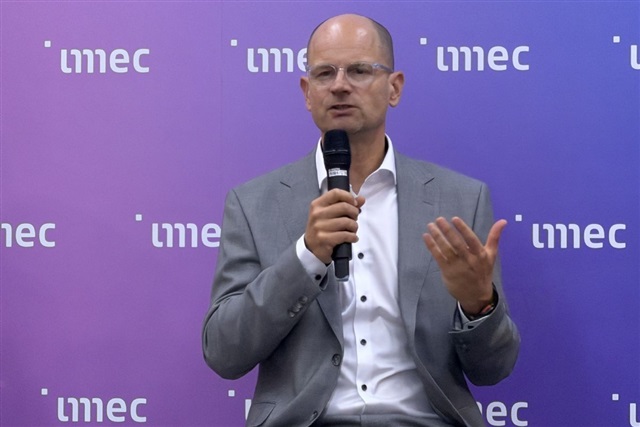
Imec CEO Patrick Vandenameele said at SEMICON Taiwan 2026 that the Belgian research center is broadening its c…
Alphabet's AI Overviews now reach over 2.5 billion monthly users through Google Search, and its ad business ge…
Sarah O’Connor's book 'We Are Not Machines' explores how mechanization and AI have transformed the workforce…