JFrog raised full-year revenue guidance in August 2026 after Q2 results showed revenue of US$163.77 million and a sharply smaller net loss, driven by accelerating demand for its cloud and security offerings tied to AI-driven software development.
The company is positioning itself as central to securing AI-era software supply chains, but investors should be aware that high revenue multiples mean any slowdown in large enterprise deals or normalization of AI-fueled consumption could have outsized negative impact on the stock.
What happened
JFrog reported Q2 2026 revenue of US$163.77 million with a sharply smaller net loss and raised full-year guidance, citing accelerating demand for its cloud and security offerings amid AI-driven software development. The company is hosting swampUP 2026 in New York with security and AI leaders from Anthropic, Microsoft, and NVIDIA to position itself at the center of securing AI-era software supply chains.
Why it matters
JFrog's investment case hinges on staying central to governing AI-era software supply chains while driving broader adoption of its cloud and security platform. The Q2 beat and higher guidance reinforce that customers are expanding spend on cloud and security, which ties directly to expectations that AI-driven software development will push more binaries, models, and agents through JFrog's system. However, the stock already trades on rich revenue multiples, so any slowdown in large enterprise deals or a normalization of AI-fueled consumption could significantly impact valuation.
What to watch
JFrog's narrative projects US$904.5 million revenue and US$108.9 million earnings by 2029, yielding a US$93.57 fair value estimate (a 3% downside to current price). Some analysts were already assuming revenue could reach about US$1.1 billion and positive earnings by 2029, so investors should weigh whether risks around AI agents compressing security revenue and cloud overages normalizing justify a more cautious stance.
Ask the AI about this article →
JFrog's Q2 2026 beat and raised full-year guidance signal sustained demand for its cloud and security platform, particularly from customers navigating AI-driven software development. The company's positioning around AI-era supply chain security reflects a broader market shift: as enterprises deploy more AI models and agents, they need systems to govern and secure the binaries, models, and code flowing through their infrastructure. JFrog's thesis is that it sits at the center of this system of record.
However, the stock's rich revenue multiples create a tension in the investment case. The company's current valuation appears to embed significant expectations about sustained AI-driven consumption growth. If large enterprise deals slow, or if AI-fueled cloud usage normalizes (a real possibility as initial deployment surge matures), the downside could be material. The variance between JFrog's internal projection—US$904.5 million revenue by 2029—and some analyst assumptions of US$1.1 billion suggests meaningful uncertainty about the rate and durability of AI-driven growth. Investors betting on continued acceleration should monitor enterprise deal flow and usage metrics closely; a deceleration in either would likely trigger a significant valuation reset.
For example, today's edition would include:
AI-summarized, only the topics you pick — one digest a day via Email, Slack, or Discord.
Free · takes 30 seconds · unsubscribe anytimeWhat is AIToday? →
Ask AI anything about this article. Q&As are published on this page for other readers too.
Phonely Ltd. launched Alma, a large language AI model built for voice agents and trained on over 10 million re…

Aranya Inc., a startup founded last year, launched today with $11 million in funding

CBTS Technology Solutions LLC launched Forge Agents, a platform that turns a plain-language job description in…

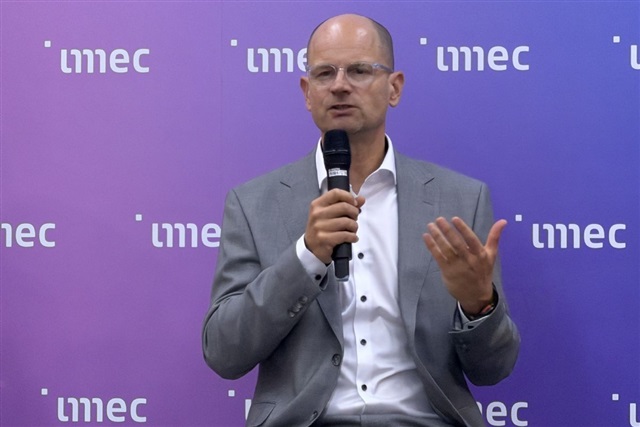
Imec CEO Patrick Vandenameele said at SEMICON Taiwan 2026 that the Belgian research center is broadening its c…
Alphabet's AI Overviews now reach over 2.5 billion monthly users through Google Search, and its ad business ge…
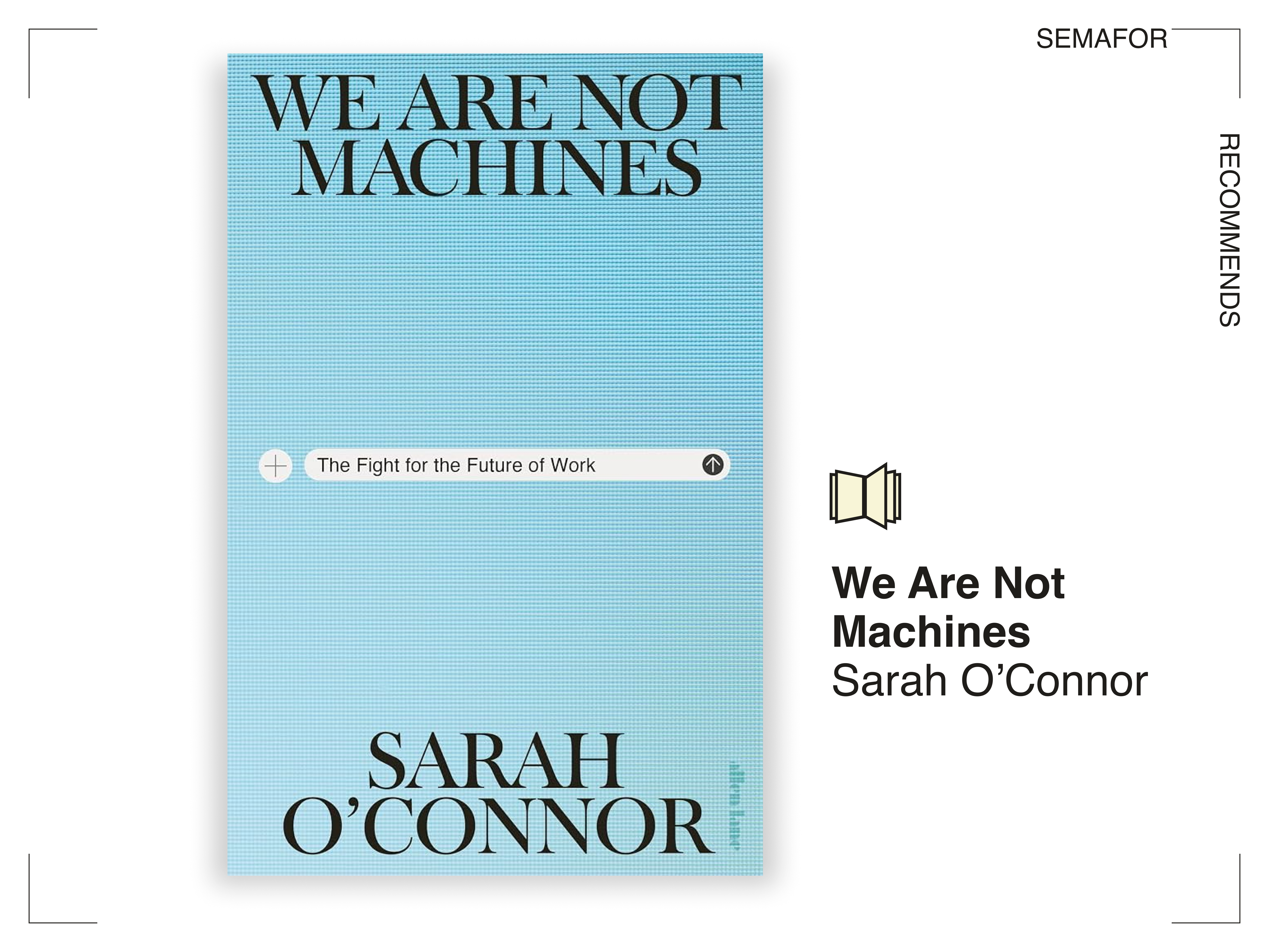
Sarah O’Connor's book 'We Are Not Machines' explores how mechanization and AI have transformed the workforce…