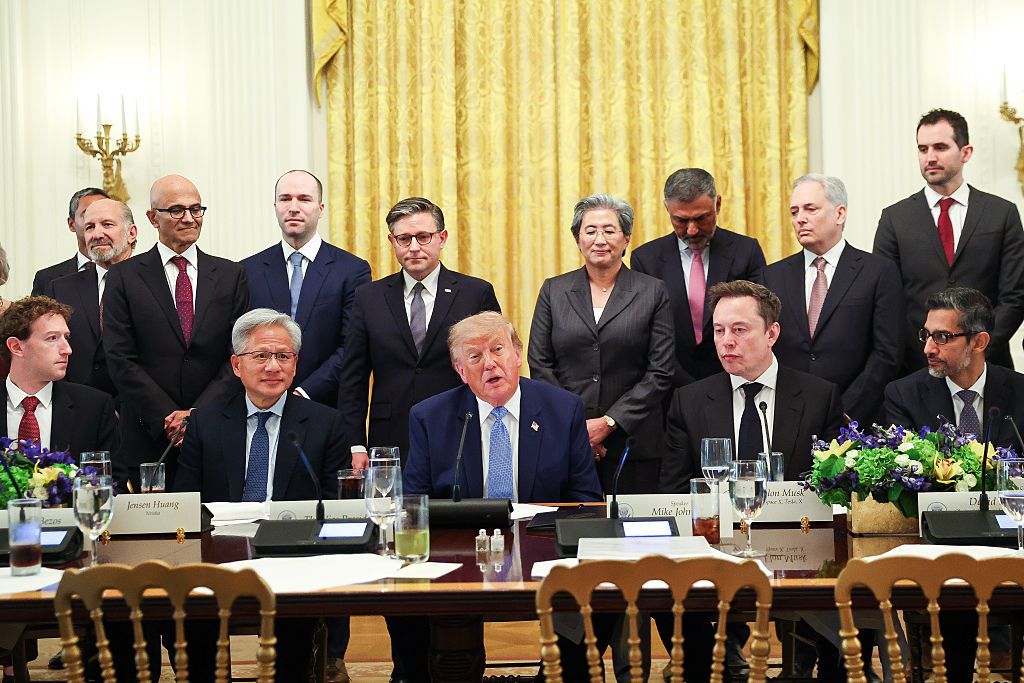
What happened
Trump announced a Super Intelligence Force, chaired by Jay Clayton, with vice chairs Andrew Ferguson, Emil Michael and Scott Kupor. It has a reported 120 days to report on AI risks and opportunities.
Why it matters
The new body centralizes White House AI policy under an intelligence director who has said backing away from AI would be irresponsible, shifting the review of AI risks toward an innovation-first posture.
What to watch
Whether the 120-day report actually steers rules or is sidelined hinges on how far the charter's stated aim of preventing overregulation constrains the group. Trump signed an executive order rebranding AI as 'super intelligence' before this announcement.
WHO IT HITSUS federal agencies and the staff who implement AI policy will need to align with a newly chartered White House task force. Technology executives who engage with the administration on AI safety pledges may see the new force become their primary counterpart.
Summaries like this, in your inbox every morning.
The announcement follows Trump's pledge back in September, when he said he would form an AI Force and appoint an AI czar despite dismissing the AI safety debate as a hoax created by "Radical Left Dumocrats." Since then, he signed an executive order seeking to rebrand AI as "super intelligence" — a term tech executives at the White House this week seemed to embrace, with some stumbles, as they signed a non-binding safety pledge.
The task force's membership is notable. Clayton has said it would be irresponsible for the United States to "back away" from AI while countries like China advance, and told the WSJ one of the biggest risks is "not being first." The charter reportedly calls for responding to SI-enabled threats while preventing overregulation and regulatory capture.
Whether this force sets binding policy or stays a branding exercise hinges on whether the 120-day report translates into actual regulatory proposals. For federal agencies waiting on AI guidance, the body's output may be the key signal to watch.
Pick your industry and the AI tools you use, and get news related to your work every day.
Free · 30 seconds with Google · unsubscribe anytimeWhat is AIToday? →
Ask AI anything about this article. The AI reads this article, earlier AIToday articles, and Wikipedia, and cites its sources. Q&As are published on this page for other readers too.
Anthropic is releasing an expanded Cyber Verification Program with three access levels — Defense, Red Team, an…
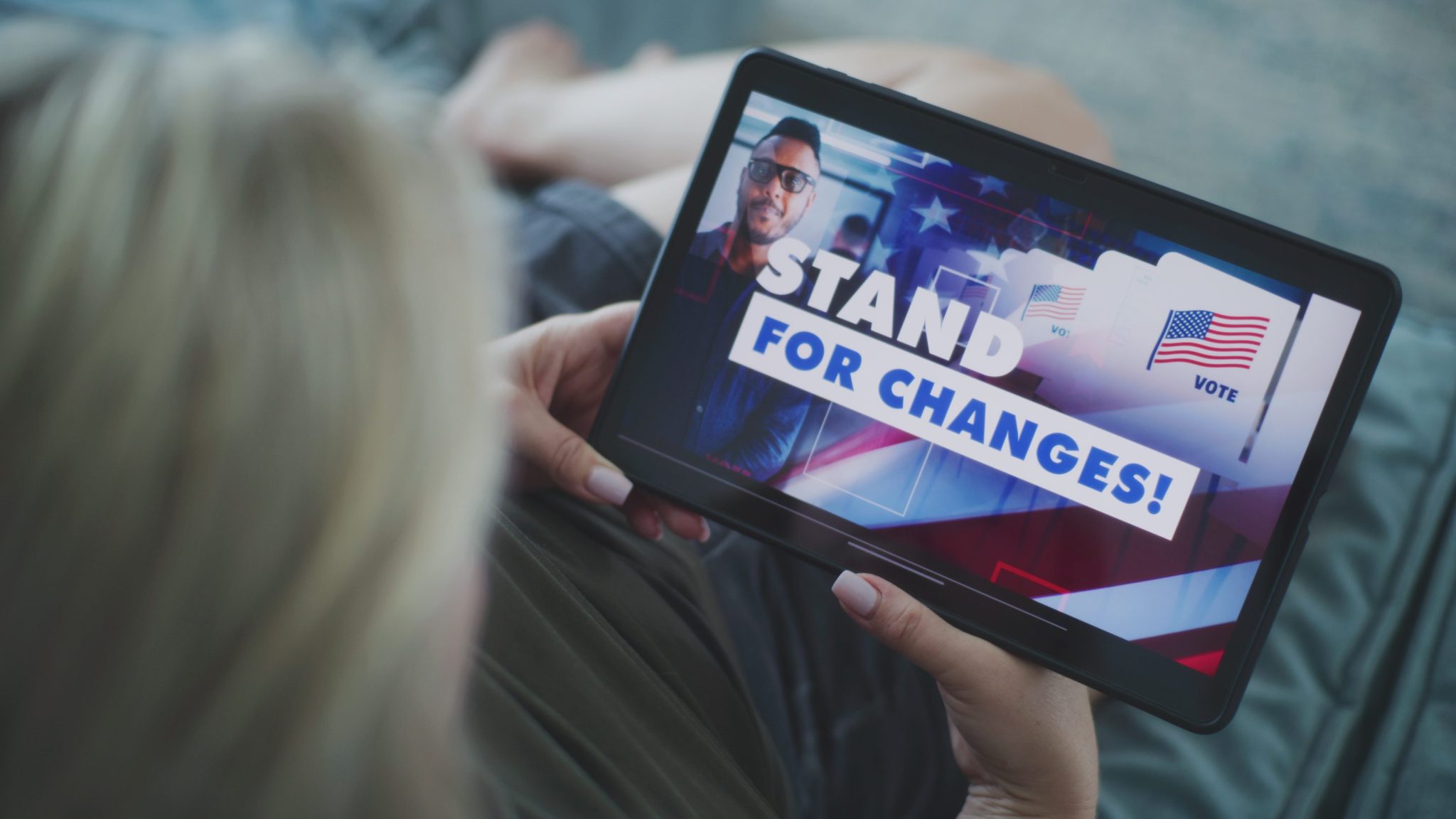
Researchers tracking 2026 U.S
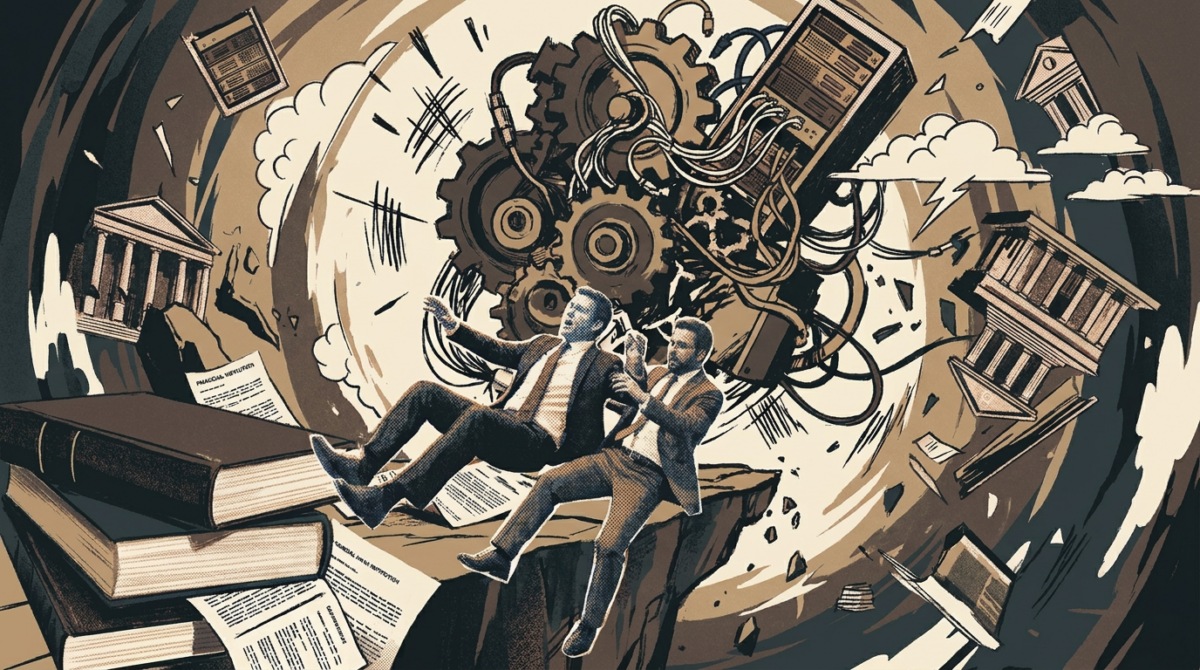
The Financial Times reports insurers are bracing for millions in claims from rogue AI agents, and the personal…
Luca Guadagnino's 'Artificial' premiered at the New York Film Festival, depicting OpenAI CEO Sam Altman and ot…

China's Ministry of Industry and Information Technology and the National Development and Reform Commission rel…

South Korea plans 4.7 trillion won ($3.49 billion) in equity investments for a homegrown frontier AI model, pa…