AIToday

Blomkamp's AI 'zombie film' Nightborne panned as slop despite human input

The Verge AI3h ago
Blomkamp's AI 'zombie film' Nightborne panned as slop despite human input

Key takeaway

Director Neill Blomkamp released Nightborne, a 13-minute sci-fi short made entirely using ByteDance's Seedance 2.0 text-to-video generator, through his new company Barley Studios. Although the film involved real concept artists and 32 human actors whose likenesses were modeled, it was widely panned for displaying typical AI shortcomings—gibberish text, unnatural dialogue delivery, and lack of creative vision—demonstrating that even polished editing and human input cannot overcome the technology's fundamental limitations in understanding human performance.

Summaries like this, in your inbox every morning.

Sign up free →

3 Key Points

  • What happened

    Director Neill Blomkamp unveiled Nightborne, a 13-minute sci-fi short created entirely with ByteDance's Seedance 2.0 text-to-video generator through his new company Barley Studios. The film, loosely based on Peter Watts' 2014 novel Echopraxia, features 32 human actors whose likenesses were used and dialogue from real concept artists, but was generated shot-by-shot using the AI tool.

  • Why it matters

    Despite polished editing by Austyn Daines and Blomkamp's stated ambition to make a full feature in this format, the short bears the hallmarks of AI-generated content ('slop') — gibberish background signs, unnatural character delivery, and a loss of creative direction that critics attributed to the filmmaker being 'washed.' The project highlights that even when skilled filmmakers apply traditional technique, text-to-video models still lack the understanding of human performance nuance needed to produce compelling finished work.

  • What to watch

    Blomkamp framed Nightborne as a 'test start' to demonstrate what generative AI is capable of and said he wants to tackle a full feature in this format at some point in the future. The announcement was met with immediate backlash, positioning Blomkamp in a situation similar to director Darren Aronofsky's failed AI Revolutionary War series.

In Depth

On Monday, District 9 and Gran Turismo director Neill Blomkamp announced Nightborne through his new AI startup and production company, Barley Studios. The 13-minute sci-fi short is loosely based on Peter Watts' 2014 novel Echopraxia and was created entirely using ByteDance's Seedance 2.0 text-to-video generator. In an X post, Blomkamp described it as a "test start" meant to demonstrate generative AI's capabilities and expressed a desire to "tackle a full feature in this format" at some point.

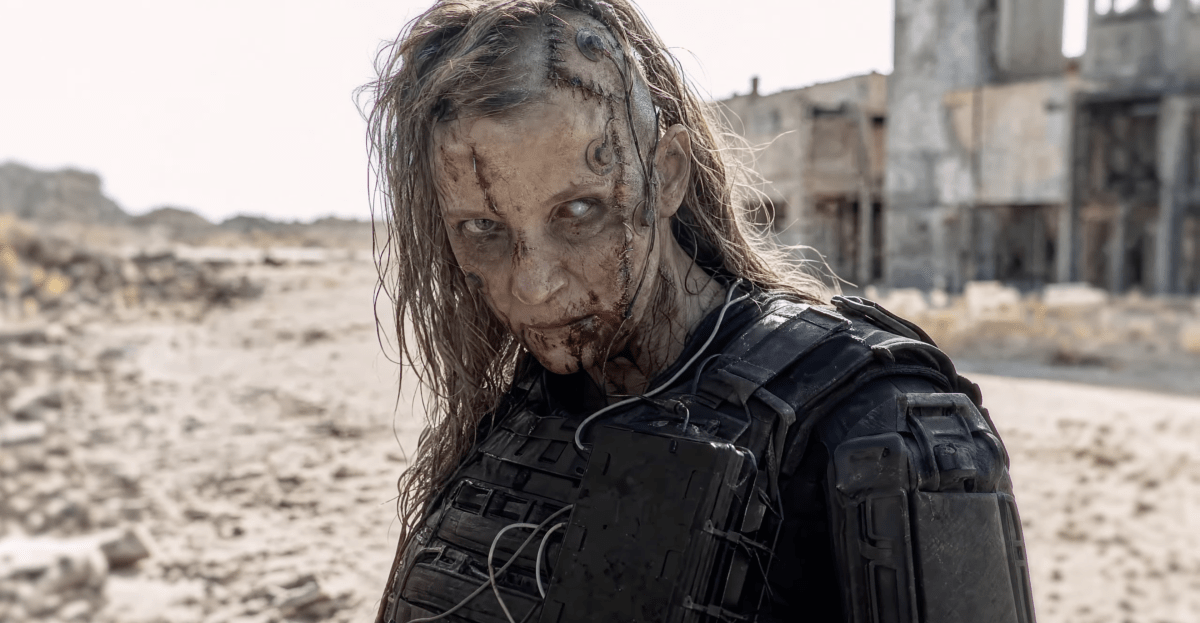
Nightborne's narrative is set against a military conflict between the US and Syria and follows an American pilot who sustains life-threatening injuries when her helicopter is shot down. Because her head remains intact, she becomes the ideal candidate for Project Nightborne—a government program that turns brain-dead soldiers into remote-controlled, weaponized zombies trained for war in secret. The film cuts between scenes of the zombified pilot and documentary-style interviews with people involved in the program, a structure edited by Austyn Daines that helps obscure the fact that Seedance 2.0 can only generate a few seconds of video at a time.

Despite Blomkamp's involvement of 32 human actors whose likenesses were modeled on-screen and real concept artists who contributed work, the finished product displays hallmark weaknesses of AI-generated content. Background signs are often written in gibberish, and characters deliver dialogue with unusual emphases that suggest they don't understand what they're saying. Viewers who listen closely can easily detect the extent of the AI's involvement. The mixing of dialogue almost (but not quite) makes it seem like real people speaking, a gap that becomes apparent on close inspection.

Critics noted that Blomkamp's creative voice feels almost nonexistent as the short unfolds, and that without Seedance 2.0 as the novelty, the work would likely go unnoticed. While the model can generate videos of people emoting, Nightborne highlights its failure to understand the minute details that make human performances feel organic. The announcement was met with immediate backlash, with many interpreting it as a sign Blomkamp was "washed." The reception places Blomkamp in a situation similar to director Darren Aronofsky's failed AI series about the Revolutionary War. Some observers have noted the ironic dimension: Project Nightborne's fictional premise—powerful actors repurposing dead bodies without consent to generate cheap labor—mirrors the real-world dynamics driving adoption of generative AI technology.

Context & Analysis

Nightborne represents a high-profile test of text-to-video AI's readiness as a filmmaking tool, but the result underscores a persistent gap between technical capability and artistic quality. While Seedance 2.0 can generate coherent video sequences of people performing, the model lacks the granular understanding of human behavior and emotional authenticity that distinguishes professional filmmaking from machine-produced content. Blomkamp's involvement—a director with a track record of using visual effects to explore conceptually rich themes (as in District 9's apartheid allegory)—was meant to lend credibility, yet critics noted his creative voice feels almost nonexistent in the final work.

The technical limitations are visible: background signage dissolves into gibberish, character delivery carries unnatural emphases that expose the model's reliance on training data rather than understanding, and the edit structure (rapid cuts between short clips and interviews) functions primarily to hide the AI tool's inability to generate long, coherent takes. Even the involvement of real concept artists and human actors whose likenesses appear on-screen proved insufficient to bridge the gap. The backlash suggests audiences and industry observers view Nightborne not as a proof of concept but as evidence that filmmaking requires creative sensibilities the current generation of generative AI cannot replicate, regardless of how much human guidance surrounds the process.

FAQ

What is Nightborne about?
Nightborne is a 13-minute sci-fi short set during a military conflict between the US and Syria. It tells the story of an American pilot whose head is repurposed for Project Nightborne, a government program that turns brain-dead soldiers into remote-controlled, weaponized zombies. The short is loosely based on Peter Watts' 2014 novel Echopraxia.
How was Nightborne made?
Every single shot was generated using ByteDance's Seedance 2.0 text-to-video generator. The project involved 32 human actors who had their likenesses modeled on-screen, real concept artists contributed work, and the film was edited by Austyn Daines, but the actual footage came entirely from the AI tool.
What did Blomkamp say about the project?
Blomkamp described Nightborne as a 'test start' meant to demonstrate what generative AI is capable of, and said he wants to tackle a full feature in this format at some point in the future.

Get the latest Video Generation news every morning

AI-summarized, only the topics you pick — one digest a day via Email, Slack, or Discord.

Free · takes 30 seconds · unsubscribe anytime

Discussion

No comments yet. Be the first to share your thoughts!

Log in to join the discussion

Related Articles

Stay ahead with AI news

Get curated AI news from 200+ sources delivered daily to your inbox. Free to use.

Get Started Free

Free · takes 30 seconds · unsubscribe anytime

1 minute a day. The AI essentials.

200+ sources · Email / LINE / Slack

Get it free →