Palo Alto Networks argues that artificial intelligence has disrupted the traditional security patch cycle, where companies historically had a window of days or weeks to deploy fixes after vulnerabilities became public.
The company suggests AI can address this bottleneck, though specific details about how, when, or where this capability will be deployed remain undisclosed in the article.
What happened
Palo Alto Networks says AI has fundamentally altered how security vulnerabilities are patched, breaking the traditional "patch window" where organizations typically have days or weeks to apply fixes after a vulnerability is disclosed.
Why it matters
The traditional patch window created a window of exposure for organizations trying to balance security with operational disruption. If AI can accelerate patch deployment and validation, it could reduce the time organizations remain vulnerable to known exploits — a practical concern for any business relying on software infrastructure.
What to watch
The article does not specify a timeline, availability date, product name, or pricing for Palo Alto's AI-driven patch solution, so those details remain unclear.
Ask the AI about this article →
Palo Alto Networks is claiming that artificial intelligence has upended a long-standing constraint in cybersecurity: the patch window. Historically, this window has represented a critical vulnerability period — the gap between when a flaw becomes public knowledge and when an organization can safely deploy and validate a fix without disrupting operations. The company's argument hinges on the premise that AI can compress this cycle, though the article does not elaborate on the technical mechanism or evidence supporting this claim. For security teams and IT operations, the potential to reduce exposure time would be strategically significant, as it directly addresses one of the most difficult tradeoffs in IT risk management — the tension between rapid response and stability. However, the article provides no specifics about when or how Palo Alto plans to deploy such a capability, leaving the practical timeline and scope of this claim uncertain.
For example, today's edition would include:
AI-summarized, only the topics you pick — one digest a day via Email, Slack, or Discord.
Free · takes 30 seconds · unsubscribe anytimeWhat is AIToday? →
Ask AI anything about this article. Q&As are published on this page for other readers too.
Aranya Inc., a startup founded last year, launched today with $11 million in funding

CBTS Technology Solutions LLC launched Forge Agents, a platform that turns a plain-language job description in…

Phonely Ltd. launched Alma, a large language AI model built for voice agents and trained on over 10 million re…

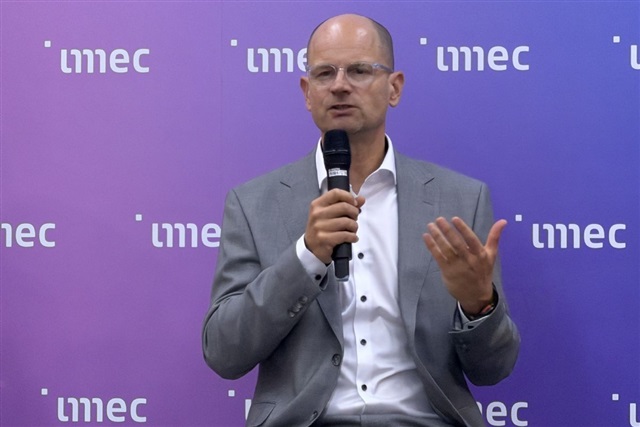
Imec CEO Patrick Vandenameele said at SEMICON Taiwan 2026 that the Belgian research center is broadening its c…
Alphabet's AI Overviews now reach over 2.5 billion monthly users through Google Search, and its ad business ge…

Sarah O’Connor's book 'We Are Not Machines' explores how mechanization and AI have transformed the workforce…