What happened
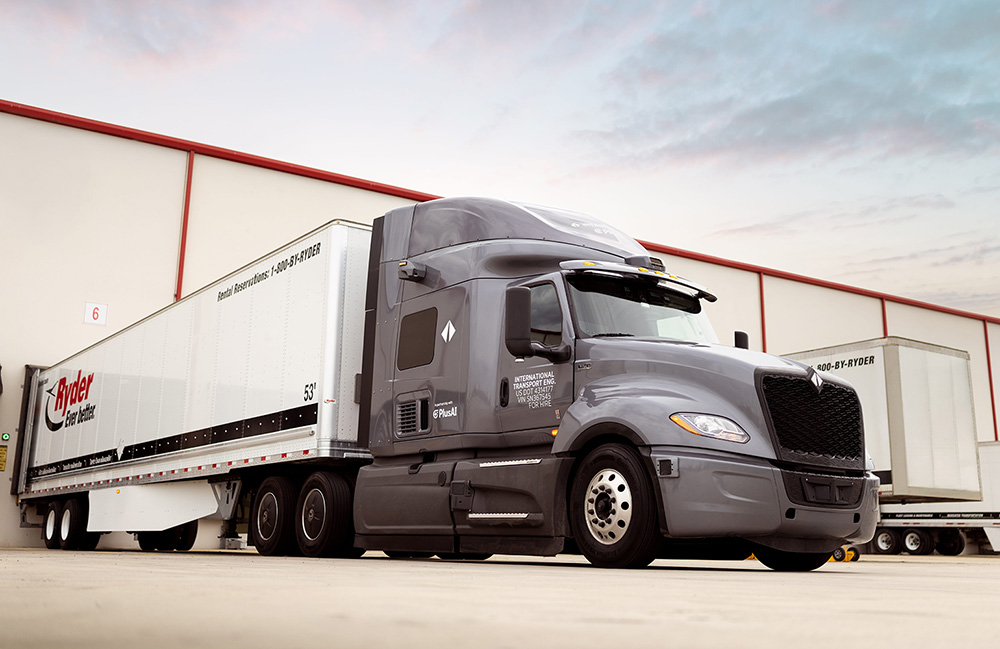
PlusAI updated its commercial readiness metrics for the first half of 2026, reporting safety case readiness (SCR) increased from 90.1% to 93.4%, autonomous miles percentage (AMP) grew from 99.2% to 99.8%, and remote assistance-free trips (RAFT) rose from 79% to 85.2%. The company also launched a commercial fleet trial with International and Ryder on the I-35 corridor in Texas, announced autonomous trucks in Southern Europe via partnerships with Spanish logistics operator Sesé and the government of Aragon, and released SuperDrive 6.0 with improvements for night driving and construction-zone handling.
Why it matters
These metrics and deployments show measurable progress toward PlusAI's goal of deploying factory-built autonomous trucks at commercial scale in 2027. The company targets 100% safety case readiness by 2027 and more than 90% remote assistance-free trips before commercial launch—indicators that the technology is moving from testing toward real operational reliability needed for scaled deployment with freight operators.
What to watch
PlusAI expects to achieve 100% SCR in 2027 and more than 90% RAFT before commercial launch. The company is also expanding partnerships internationally, including efforts in Europe and Japan, and deepening collaboration with NVIDIA through its Alpamayo foundation model and DRIVE Hyperion technologies.
Summaries like this, in your inbox every morning.
PlusAI, founded in 2016, is moving toward a critical inflection point in autonomous trucking commercialization. The company's decision to publish commercial readiness metrics every six months reflects a shift from pure R&D toward demonstrating the operational maturity needed to gain regulatory and industry confidence. The three metrics—safety case readiness, autonomous miles percentage, and remote assistance-free trips—collectively measure whether the company has built not just a capable AI system but one that can run reliably without human intervention in real freight corridors.
The company's recent milestones anchor this progress in tangible deployments: the Texas trial with major OEM International and fleet operator Ryder, and the European expansion with Sesé, position PlusAI as moving beyond domestic testing into multi-region operations. The partnership with NVIDIA to integrate the Alpamayo foundation model and DRIVE Hyperion suggests PlusAI is leveraging industry-standard foundation models rather than building AI from scratch—a strategy that may accelerate development and reduce deployment risk. The release of SuperDrive 6.0, with explicit support for night driving and construction zones, addresses two of the most challenging real-world conditions autonomous trucks face, signaling confidence in readiness for broader operational scenarios.
The targets PlusAI has set—100% safety case readiness by 2027 and more than 90% remote assistance-free trips before launch—are ambitious but achievable given the current trajectory. The fact that RAFT has jumped from 79% to 85.2% in the past six months suggests the operational gap is narrowing. If the company meets these targets, it could see the first commercial factory-built autonomous truck fleets in operation by 2027, marking a significant shift from pilot programs to revenue-generating deployments.
Pick your industry and the AI tools you use, and get news related to your work every day.
Free · 30 seconds with Google · unsubscribe anytimeWhat is AIToday? →
Ask AI anything about this article. The AI reads this article, earlier AIToday articles, and Wikipedia, and cites its sources. Q&As are published on this page for other readers too.
On Micron's fiscal Q4 2026 earnings call, CEO Sanjay Mehrotra said humanoid robots are expected to need memory…
RobotPlusPlus closed a Series C worth "hundreds of millions of RMB (tens of millions of USD)" led by Qianggang…
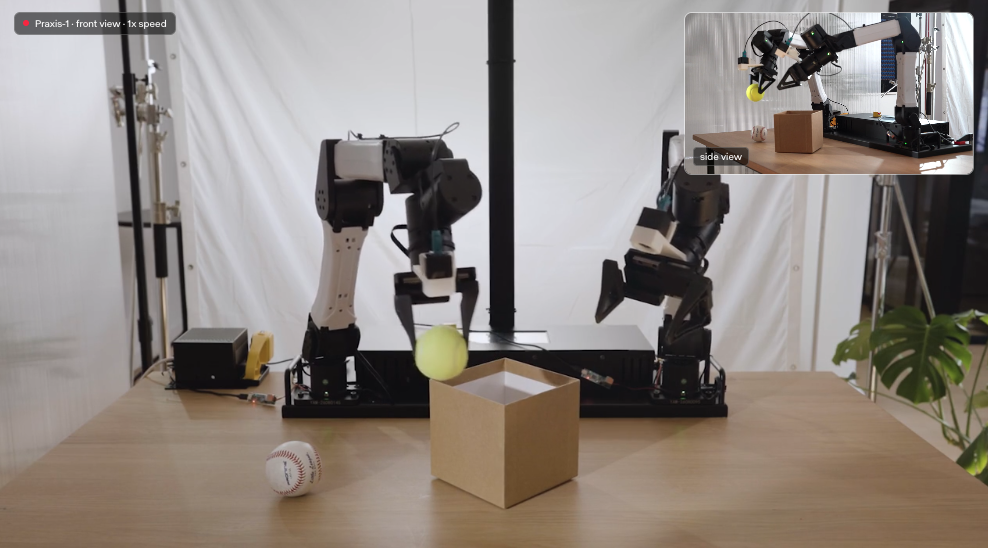
Runway announced Praxis-1, its first open-weight world action model for controlling robots, built on the same…
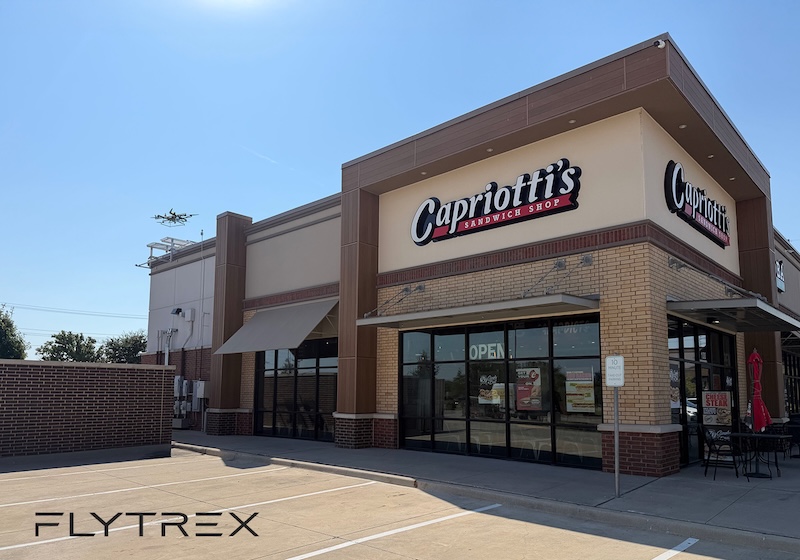
Flytrex launched rooftop docking and predictive AI positioning at active merchant locations across the Dallas-…
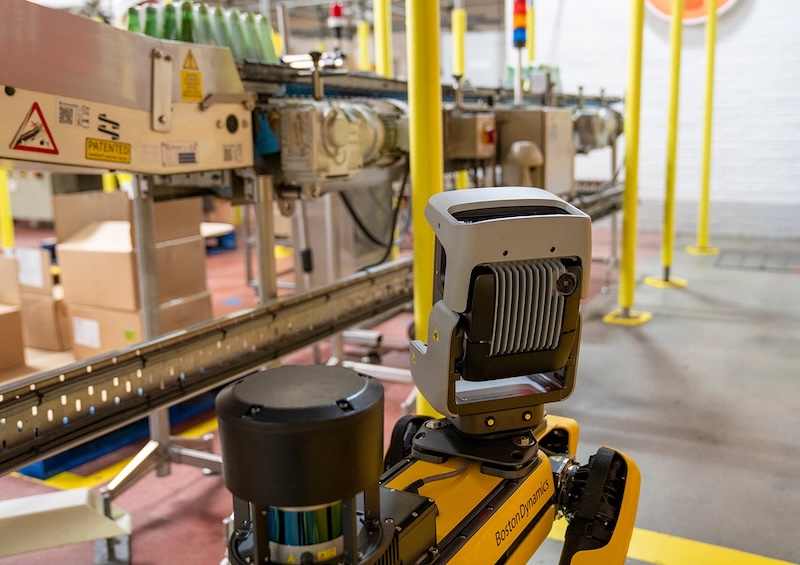
Boston Dynamics released Spot 5.2, expanding Orbit fleet software with a Model Context Protocol layer that let…
Utopia Compression, a Los Angeles company with over two decades of defense work, is marketing AI-based passive…