What happened
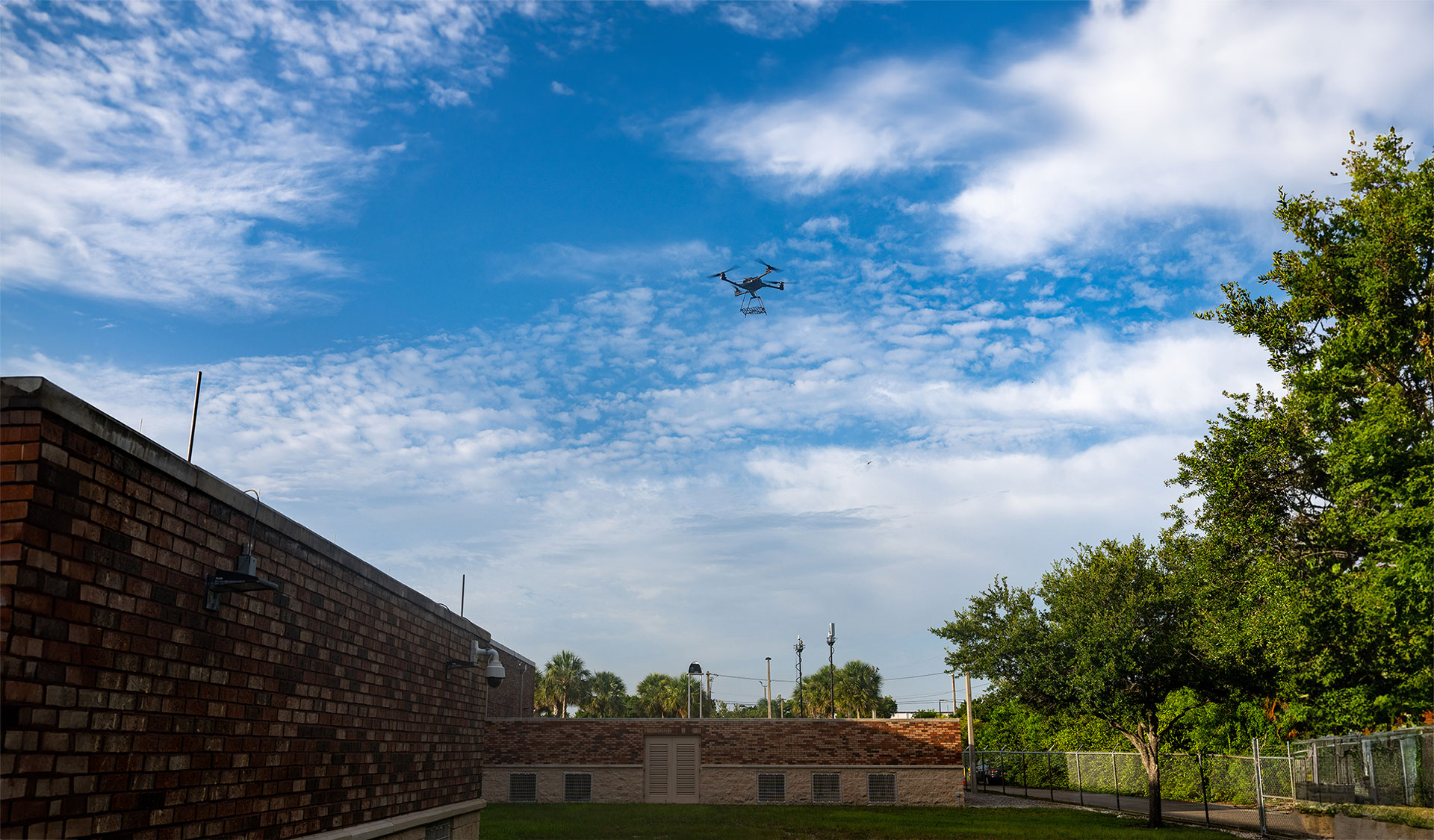
Lockheed Martin, Verizon, NVIDIA, Keysight, ODC, and Astris AI unveiled NetSense™, an airspace awareness system that uses 5G networks and AI to detect unmanned aircraft systems (UAS), predict their flight paths, and automatically alert customers to threats. A July demonstration in the Miami area validated the technology for commercial use.
Why it matters
As drones become cheaper and more accessible, threats to airspace have grown; the system addresses a critical gap in public protection by running on Verizon's existing 5G network without requiring new hardware, making it affordable and scalable for critical infrastructure, events, utilities, schools, hospitals, airports, and government agencies.
What to watch
The NetSense solution is designed to deploy across any 5G or future 6G Integrated Sensing and Communications (ISAC) network, using existing radio frequency measurements; it combines Lockheed Martin's warning and tracking systems with NVIDIA's AI Aerial platform and ODC's AI-RAN software.
Summaries like this, in your inbox every morning.
The rise of affordable, accessible drones has created a significant gap in airspace defense—existing systems designed for military or high-altitude threats do not address the emerging risk of low-altitude incursions over populated areas and critical infrastructure. Lockheed Martin's NetSense system tackles this problem by repurposing infrastructure already in place: Verizon's 5G network and the radio frequency data it collects. By partnering with commercial technology leaders—NVIDIA for AI inference, ODC for software-defined radio access networks, and Keysight for RF modeling—the collaboration avoids the capital expense and deployment delays of purpose-built hardware, instead layering detection algorithms atop existing networks.
The July Miami demonstration is a key validation milestone, showing that the approach works across real-world scenarios including stadiums, power plants, airports, and municipal spaces. This breadth of use case suggests the system is neither over-specialized for military defense nor too general to be useful; it addresses the practical concern of protecting everyday civilian infrastructure from drone incursion. Notably, the system works without waiting for 6G standards to mature or new ISAC-capable hardware to deploy, a significant advantage in a threat environment where technology adoption speed may matter.
Pick your industry and the AI tools you use, and get news related to your work every day.
Free · 30 seconds with Google · unsubscribe anytimeWhat is AIToday? →
Ask AI anything about this article. The AI reads this article, earlier AIToday articles, and Wikipedia, and cites its sources. Q&As are published on this page for other readers too.
Wells Fargo hired an AI executive based in San Francisco, a move The Business Journals describes as part of em…

Amazon launched two Bee "personal AI" devices on Thursday: the $74.99 Bee Frontier wristband and the $99.99 Be…

Apple released MLX today, which runs the 816B-parameter Muse Spark Open on four Mac Studios at over 36 tokens…

Bloom Energy stock fell 4% to $229.83, still up 165% year to date, while Caterpillar slipped 3% to $727.55 and…

LogicMonitor announced its 2026 Elevate Award winners at its Elevate Community Conference in Chicago, honoring…

Sandisk, AMD shares fall as Anthropic adds to AI concerns, per Barron's