What happened
Fine-tuning LFM2.5-350M, a small model, with GRPO and LoRA improved its IFStruct benchmark score from 22.6% to 29.7%, a gain of 7.1 points.
Why it matters
This shows that even a light, inexpensive fine-tuning procedure — around 100 training steps and about 500 samples — can make a small model much better at producing valid, parseable outputs that match requested schemas, a key requirement for integrating AI into business systems.
What to watch
The fine-tuned model runs on a free-tier Colab or Kaggle GPU, and the full recipe is public on GitHub. The improvement brings it closer to the performance of far larger models, though it still falls short of them.
Summaries like this, in your inbox every morning.
This guide demonstrates a practical, low-cost method to improve structured-output compliance in a small language model. The dramatic improvement from 22.6% to 29.7% on IFStruct suggests that targeted fine-tuning can address a common weakness in smaller models, making them more viable for real-world tasks that require reliable formatting, such as generating JSON for downstream applications. The training recipe is notable for its efficiency: only about 500 samples and 100 steps, achievable on free hardware. This lowers the barrier for developers and small businesses to customize models for specific needs without large budgets. However, the fine-tuned model still does not match the performance of far larger models, indicating that for more complex tasks, larger models may still be necessary. The guide also highlights the importance of schema compliance as a distinct capability, often overlooked in broader benchmarks. By focusing on this specific skill, the authors show a path to improving model utility in production settings where output validity is critical.
Pick your industry and the AI tools you use, and get news related to your work every day.
Free · 30 seconds with Google · unsubscribe anytimeWhat is AIToday? →
Ask AI anything about this article. The AI reads this article, earlier AIToday articles, and Wikipedia, and cites its sources. Q&As are published on this page for other readers too.
Schneider Electric, Nvidia and HPE formed a strategic collaboration to launch Industrial AI Agents at the Edge…

Anthropic released Claude Duet, built on Claude Opus 5.5

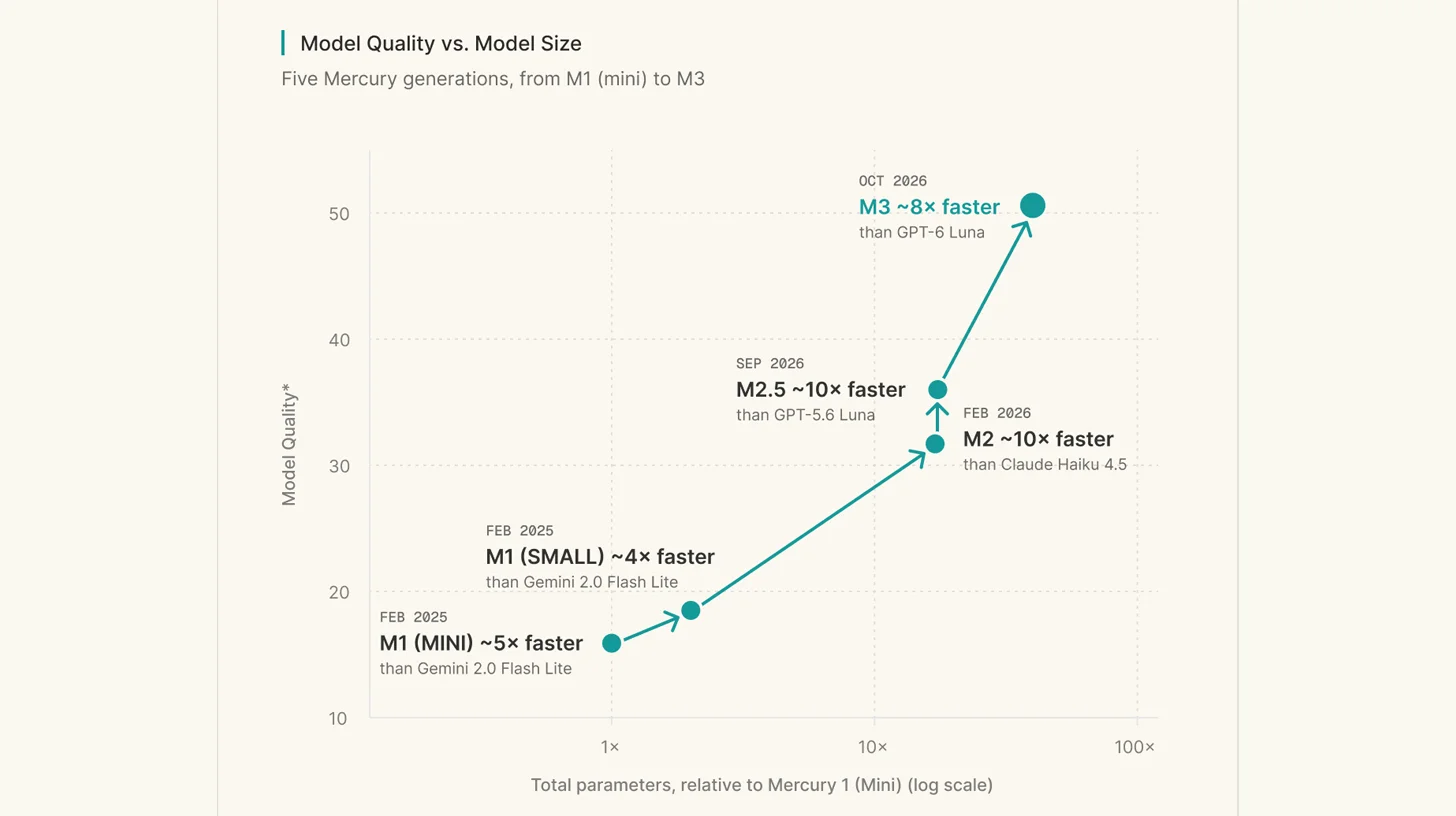
Inception launched Mercury 3 on October 19, a diffusion model it says generates 1,068 output tokens per second…
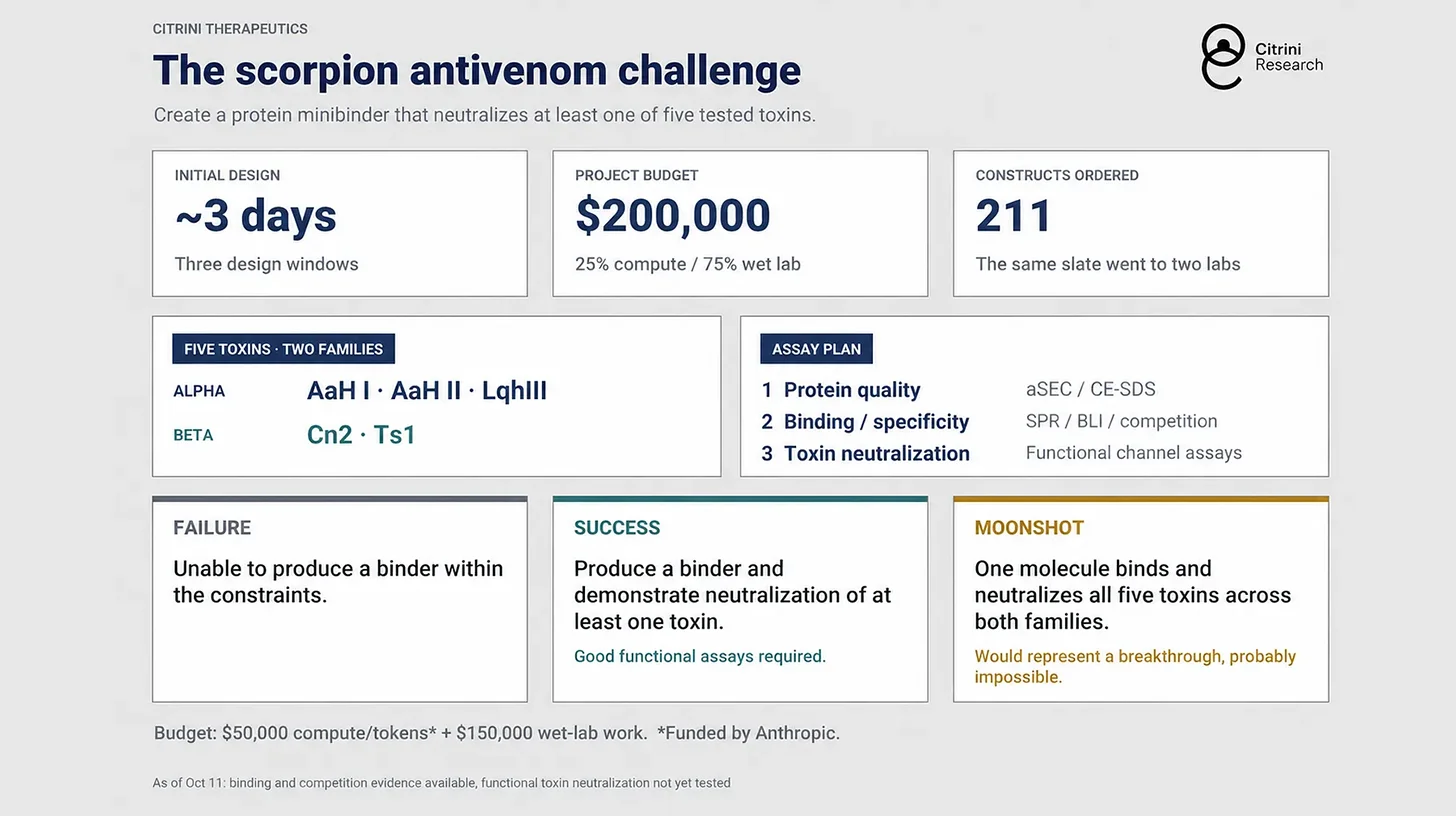
Anthropic reported that an internal version of Claude generated 318,484 candidates over a 64-hour run and sele…
NTT Data and NTT Data Tokai will start a joint proof-of-concept with Aichi Bank on October 26, testing a conve…

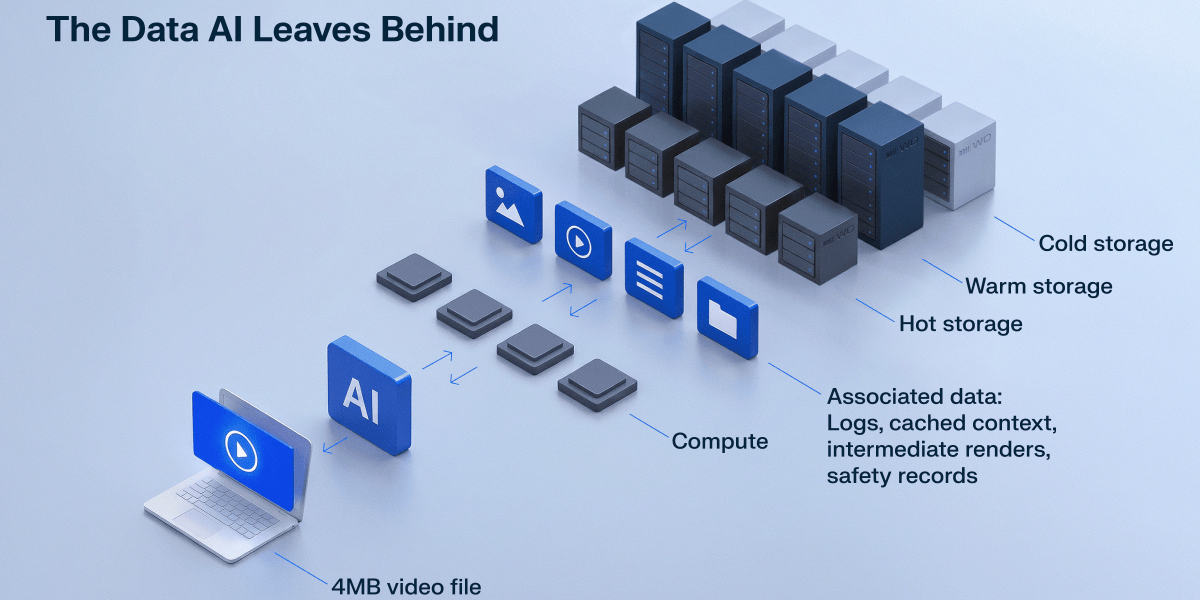
WD measured that an 8-second AI video (a 3.97MB 720p file for the user) generated more than 500MB of back-end…