AIToday
Top Companies' AI MovesTop Companies AIPublished: Aug 20, 2026, 06:30 JST1 min read

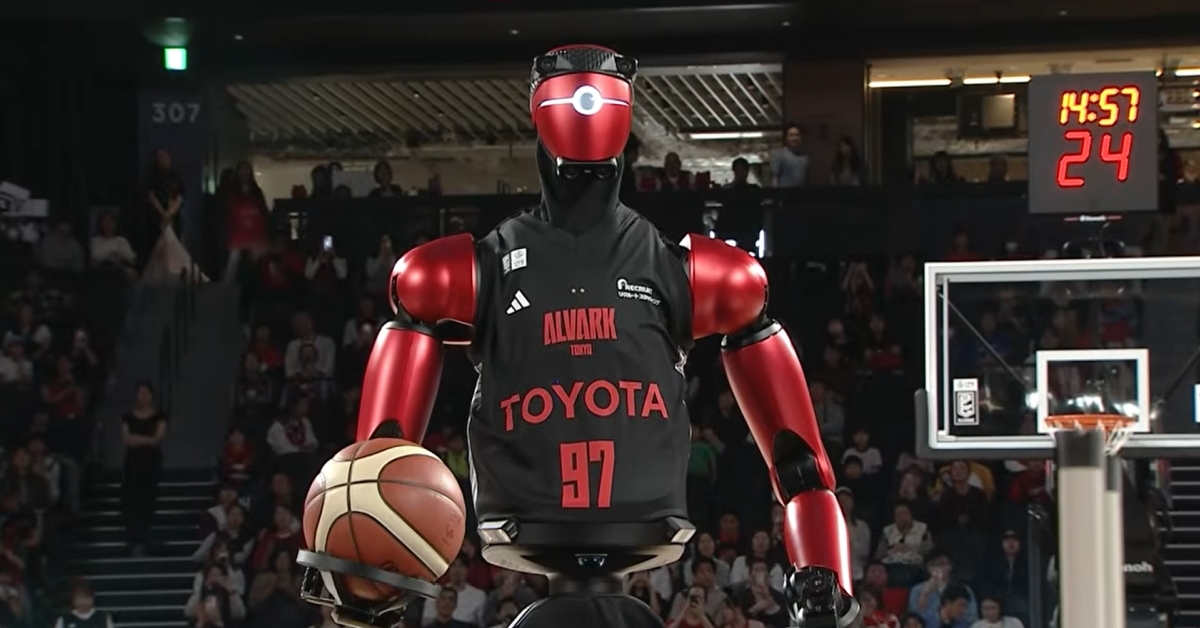
PFN and Toyota chart physical AI and humanoid strategies

PFN and Toyota chart physical AI and humanoid strategies

Key takeaway

  • Preferred Networks and Toyota are developing strategies around physical AI and humanoid robots, reflecting a shift in AI development from software to embodied systems that can operate in the real world.

  • The article outlines their respective views on the potential and approach to building robots capable of performing manufacturing and other complex physical tasks, though concrete timelines and deliverables are not detailed in the piece.

3 Key Points

  1. What happened

    Preferred Networks (PFN) and Toyota are advancing physical AI and humanoid robot development, each articulating their strategic vision for embodied intelligence in manufacturing and real-world tasks.

  2. Why it matters

    As AI moves from software to physical systems, manufacturers and roboticists face decisions about robot form factors and learning approaches—choices that will shape which companies lead in automation and labor-intensive industries over the next decade.

  3. What to watch

    The article does not specify product launch dates, availability, pricing, or measurable benchmarks for either company's physical AI roadmap.

Ask the AI about this article →

Context & Analysis

The article positions physical AI—artificial intelligence deployed in robotic systems rather than confined to software—as an emerging frontier where Japanese technology leaders are staking strategic claims. Preferred Networks, a research-focused AI company, and Toyota, a global manufacturing giant, each bring different strengths to the challenge: PFN's expertise in machine learning and AI research contrasts with Toyota's deep experience in robotics, manufacturing processes, and supply-chain integration. The article suggests that humanoid robot design and learning methods are becoming central questions in how companies approach industrial automation and tasks that have historically required human labor. However, the piece does not outline specific technical breakthroughs, timelines for deployment, or quantified performance metrics that would clarify how close either organization is to commercial viability.

Top Companies AIRead Original Article

Also reported by ITmedia AI+

Get the latest Top Companies' AI Moves news every morning

AI-summarized, only the topics you pick — one digest a day via Email, Slack, or Discord.

Free · takes 30 seconds · unsubscribe anytime

Ask AI

Ask AI anything about this article. Q&As are published on this page for other readers too.

Related Articles

Next articleAsics launches AI bear-detection app from September 1

The AI news that matters, in one minute each morning.

Sign up free