
What happened
Stanford AI Lab (SAIL) is presenting "Do Language Models Consistently Encode the Current Year?" at COLM 2026, examining whether LLMs consistently recognize the present year.
Why it matters
The paper suggests LLMs answer from learned text patterns rather than a clock or calendar, so an answer can assume 2026 in one question and mix in years-old premises in another.
What to watch
COLM 2026, where SAIL will present the research.
WHO IT HITSEnterprise teams deploying assistants like Microsoft 365 Copilot, especially in legal, audit, accounting and HR roles, may need to check not only whether an answer is correct but which point in time its information reflects.
Summaries like this, every morning.
The paper sits within a broader shift: research themes moving from building AI to evaluating it. Where earlier hallucination work focused on factual errors, this study targets errors in the time axis — whether a model's notion of the current year is stable and consistent inside the model itself. LLMs have no human-like time-awareness mechanism and instead learn statistical patterns from large text corpora.
The enterprise angle is what makes the question practical. An AI answering with outdated information as if it were current can be more dangerous than one that gets a fact wrong, particularly for security policies, HR rules, legal revisions and procedure documents. Microsoft 365 Copilot is presented as an example of the countermeasure: it reaches SharePoint, Teams, Exchange Online and OneDrive data through Microsoft Graph, a retrieval-based setup rather than reliance on a model's built-in knowledge alone.
Users should verify what point in time an answer reflects, what evidence it draws on, and whether it reaches current data and the right internal sources. It hedges that evaluating information freshness and temporal validity may matter more than prompt-writing skill in enterprise AI use — an inference the piece frames as a likely direction rather than a finding of the study.
Pick your industry and the AI tools you use, and get news related to your work every day.
Free · 30 seconds with Google · unsubscribe anytimeWhat is AIToday? →
Ask AI anything about this article. The AI reads this article, earlier AIToday articles, and Wikipedia, and cites its sources. Q&As are published on this page for other readers too.
Casap announced a $56 million Series B led by Base10 Partners, with Experian and Synchrony as strategic invest…

Kindai University will give 4,000 Paperpal licenses to full-time faculty and doctoral students at all campuses…

HIX AI's connector update on 11月4日 links Microsoft 365 (Outlook Mail, Outlook Calendar, OneDrive), Google Work…

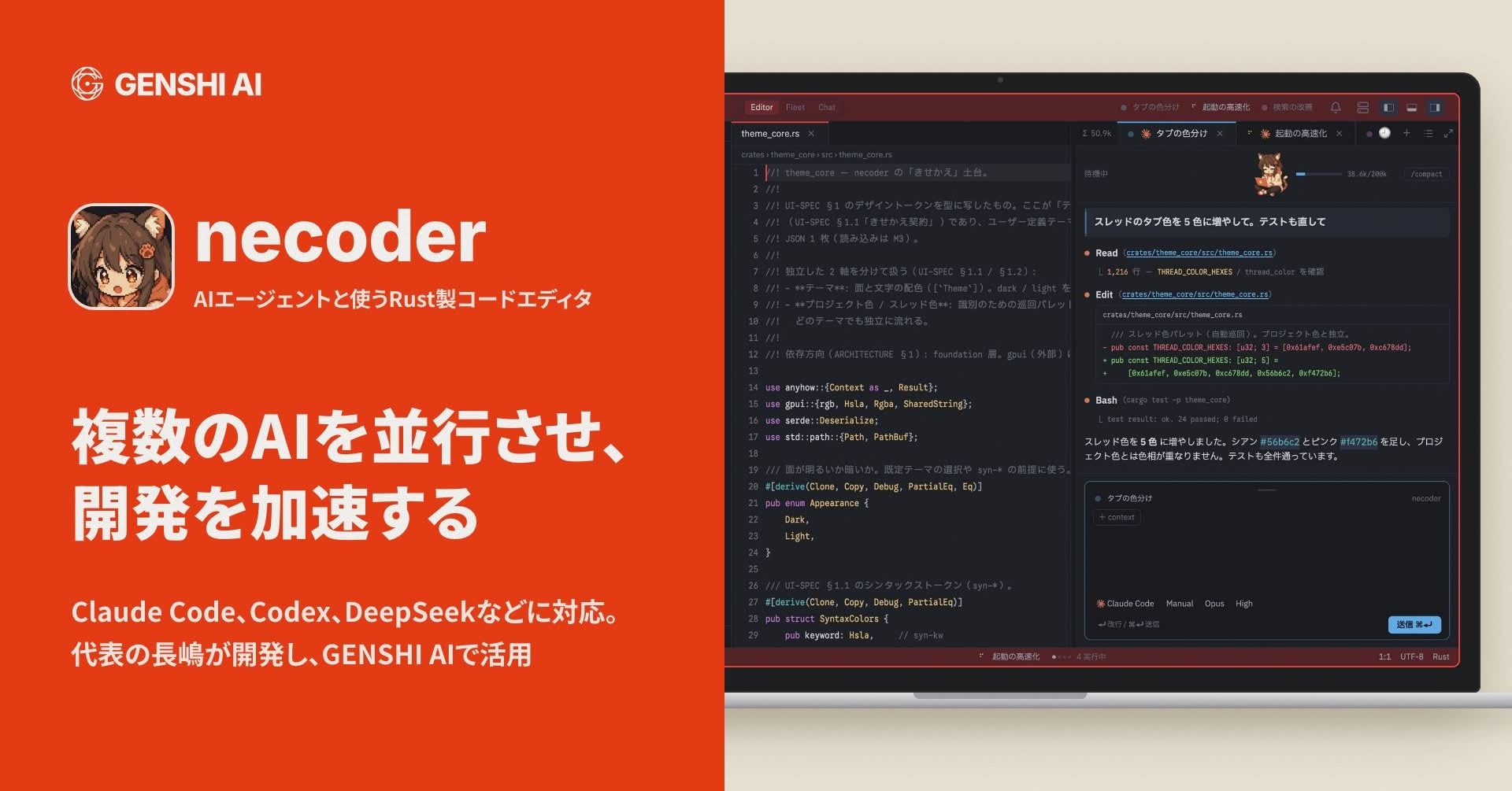
GENSHI AI said it adopted necoder in-house — a free, AGPL-3.0 Rust editor that Daichi Nagashima began building…
Nicholas Carlini matched Stockfish 17, ported to a 200MHz Pentium Pro, against 1996's Crafty 11.13 on a modern…

Xin Liu and co-authors surveyed 291 open-weight LLM repositories and found 20 of 38 untied gated and hybrid ch…


