What happened
Xin Liu and co-authors surveyed 291 open-weight LLM repositories and found 20 of 38 untied gated and hybrid checkpoints (52.6%) contain input embeddings with norms below 10−6; zero weight-tied models were affected.
Why it matters
For anyone fine-tuning affected architectures, roughly one-fifth of gradient updates may be silently discarded with no warning, so auditing embedding norm distributions before continued pretraining is warranted.
WHO IT HITSEngineers and researchers fine-tuning untied gated or hybrid open-weight models on new languages or domains may be losing roughly one-fifth of training updates without any error being raised.
Summaries like this, every morning.
The finding stems from a survey of 291 open-weight LLM repositories, covering 280 distinct embedding tables. Among the 38 untied gated and hybrid checkpoints, 20 carried input embeddings with norms below 10−6, while weight-tied models were unaffected. This prevalence suggests that the defect is not an isolated case but a recurring pattern across checkpoints of these architectures. The mechanism is that near-zero token embeddings amplify backward gradients by more than 30 orders of magnitude, with individual entries exceeding 1.84 × 10¹⁹, leading gradient clipping to overflow and discard updates silently. In a Telugu continual pretraining run of Nemotron-3-Nano-4B, updates were discarded on approximately 20% of training steps, illustrating the practical impact. The authors propose two fixes, GroupClip and GateFloor, which in experiments up to 370 million parameters reduced problematic gradients by 28 orders of magnitude while maintaining perplexity comparable to the unpatched baseline. These results point to a straightforward mitigation path, though the prevalence figure underscores the value of auditing embedding norms before any continued pretraining on these architectures.
Pick your industry and the AI tools you use, and get news related to your work every day.
Free · 30 seconds with Google · unsubscribe anytimeWhat is AIToday? →
Ask AI anything about this article. The AI reads this article, earlier AIToday articles, and Wikipedia, and cites its sources. Q&As are published on this page for other readers too.
Casap announced a $56 million Series B led by Base10 Partners, with Experian and Synchrony as strategic invest…

Kindai University will give 4,000 Paperpal licenses to full-time faculty and doctoral students at all campuses…

HIX AI's connector update on 11月4日 links Microsoft 365 (Outlook Mail, Outlook Calendar, OneDrive), Google Work…

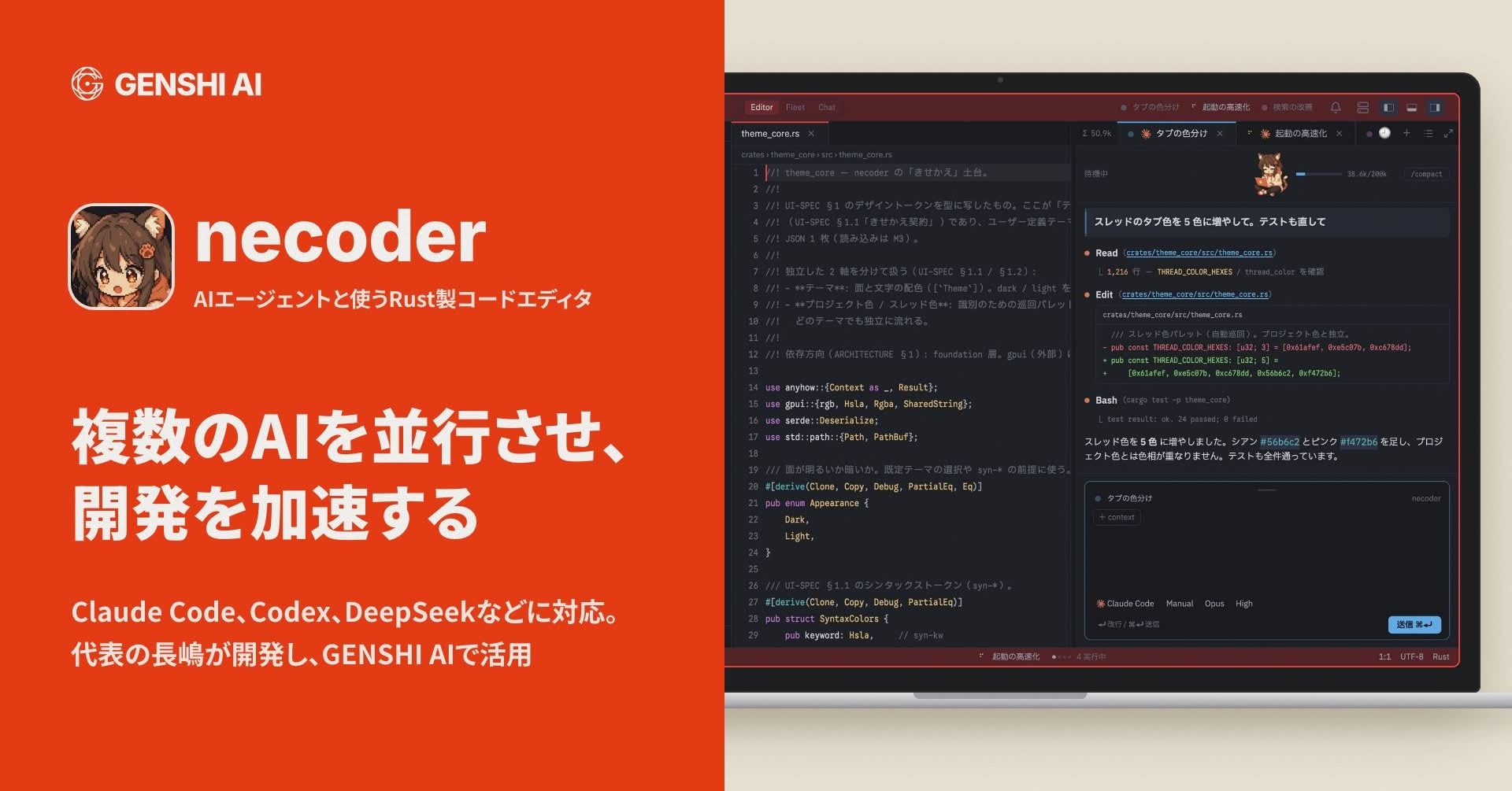
GENSHI AI said it adopted necoder in-house — a free, AGPL-3.0 Rust editor that Daichi Nagashima began building…
Nicholas Carlini matched Stockfish 17, ported to a 200MHz Pentium Pro, against 1996's Crafty 11.13 on a modern…

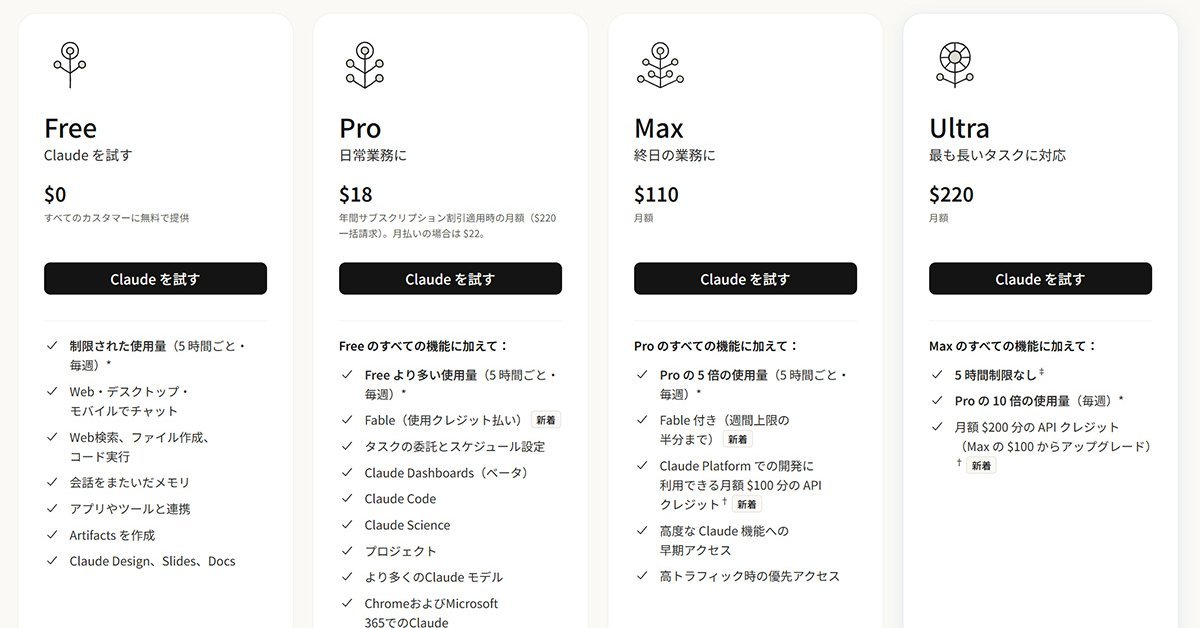
Anthropic renamed Max 5x to Max and Max 20x to Ultra at unchanged $110 and $220 monthly prices, and dropped Ul…