What happened
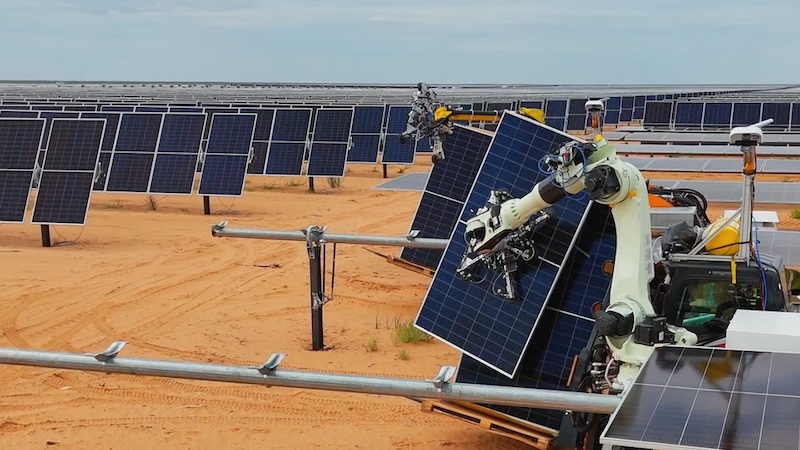
Burns & McDonnell and Gritt have formed a strategic partnership to evaluate and deploy AI-powered robotics on utility-scale solar projects. The companies have tested Gritt's technology at multiple solar sites over the past year.
Why it matters
The technology aims to improve safety and project predictability by automating repetitive tasks like lifting 80-pound modules, pouring concrete, and laying rebar. It is designed for outdoor construction sites, not controlled factory environments, and can be attached to standard construction equipment.
What to watch
The partnership is seen as an early step toward a broader shift in utility-scale solar construction. Burns & McDonnell believes it could support innovation across the broader infrastructure market as AI and robotics are increasingly adopted.
Summaries like this, in your inbox every morning.
The partnership between Burns & McDonnell and Gritt is grounded in a shared belief that AI and robotics can support, not replace, construction workers. The companies have already tested the technology over the past year at multiple utility-scale solar sites, suggesting the collaboration moves beyond theoretical planning into real-world evaluation.
Gritt's focus on retrofitting standard construction equipment rather than requiring entirely new machinery could lower barriers to adoption. By continuously learning from field conditions, the systems are intended to become more effective over time, which is key to making physical AI practical for large infrastructure projects.
Burns & McDonnell's interest extends beyond solar, as leaders see potential in applying the technology across critical infrastructure. This partnership is positioned as an early step in a broader shift, but the immediate focus remains on the solar construction sites where the technology has already been tested.
Pick your industry and the AI tools you use, and get news related to your work every day.
Free · 30 seconds with Google · unsubscribe anytimeWhat is AIToday? →
Ask AI anything about this article. The AI reads this article, earlier AIToday articles, and Wikipedia, and cites its sources. Q&As are published on this page for other readers too.
Skild AI used Nvidia Isaac Sim to give its S1 model one objective — score a goal — and let it compete against…
Yamazaki Mazak and ABEJA said on the 16th they will start joint development of physical AI, using ABEJA's ABEJ…
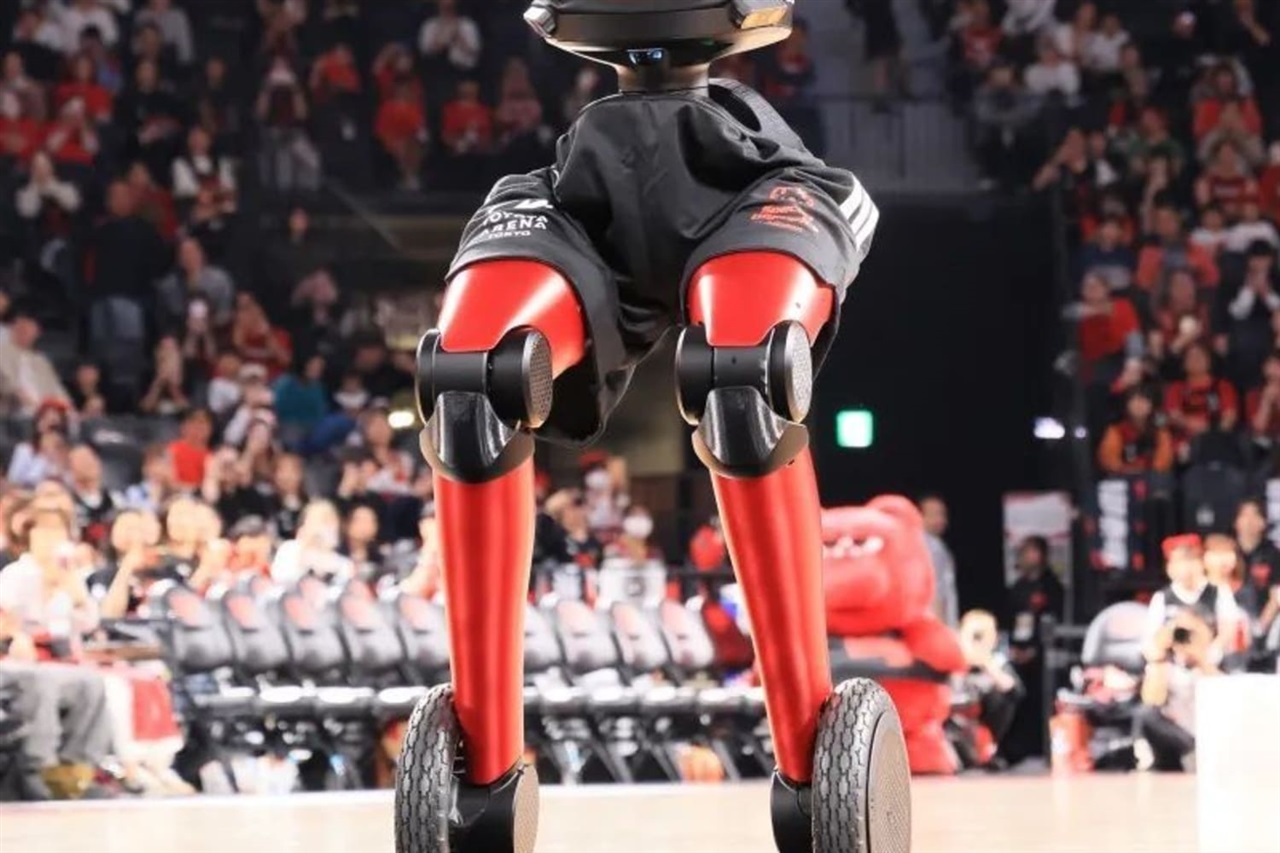
Toyota Motor's Japan Mobility Show Bizweek 2026 booth centers on its AI basketball robot CUE7, has no other ex…
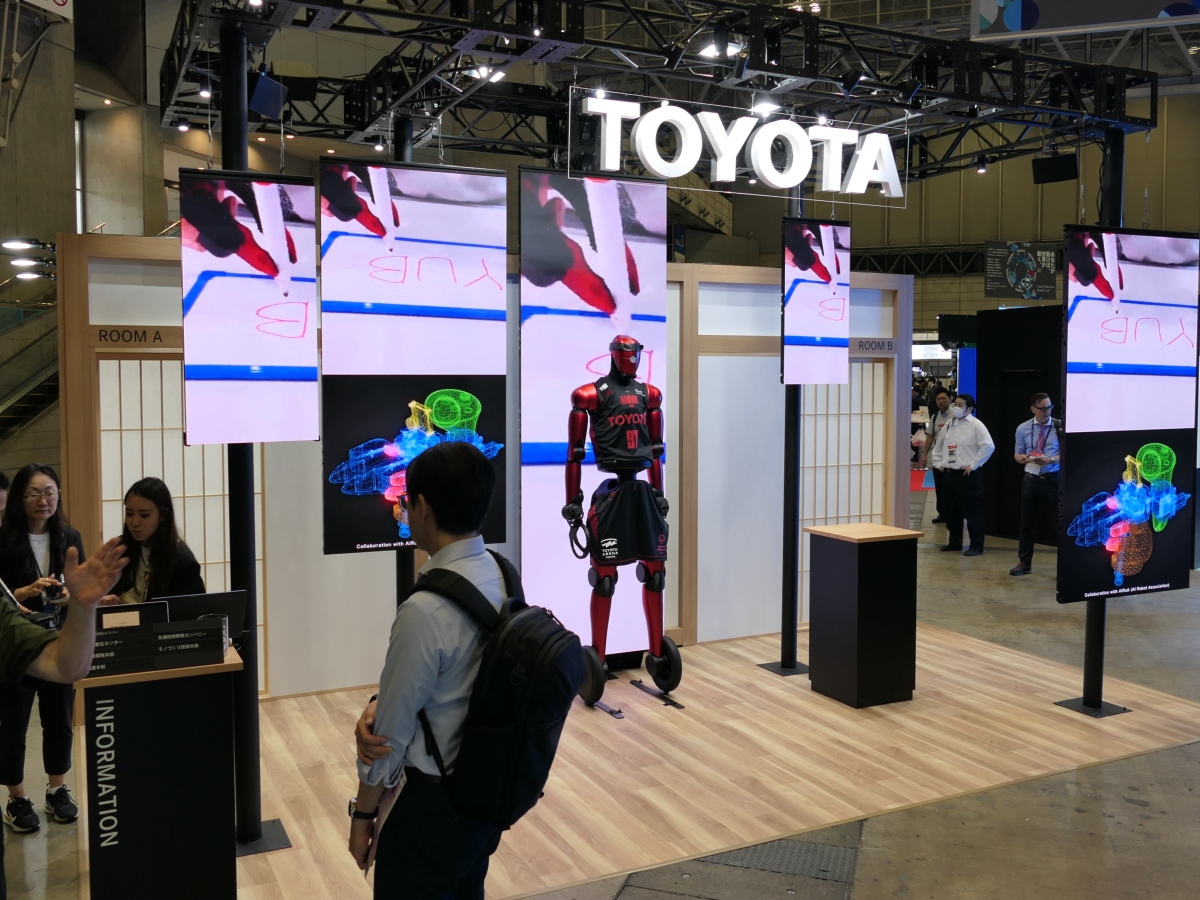
Japan Mobility Show Bizweek 2026 showcased Physical AI applications, including Toyota's basketball-playing rob…
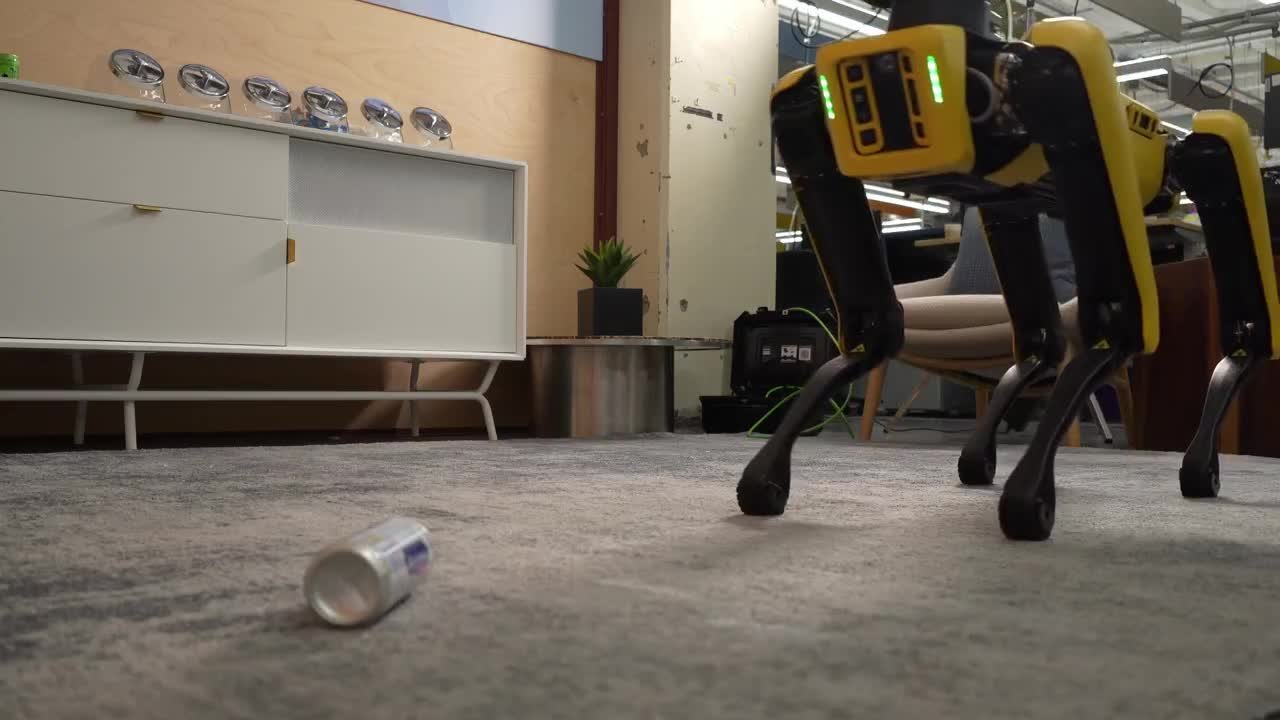
Google pitched Gemini 4 Argon as one model for robot control, simulation and training-data review, saying it s…
Researcher Sammy Azdoufal discovered Energize Lab's Eiliko robot stores 13 million conversations from 68,000 t…