What happened
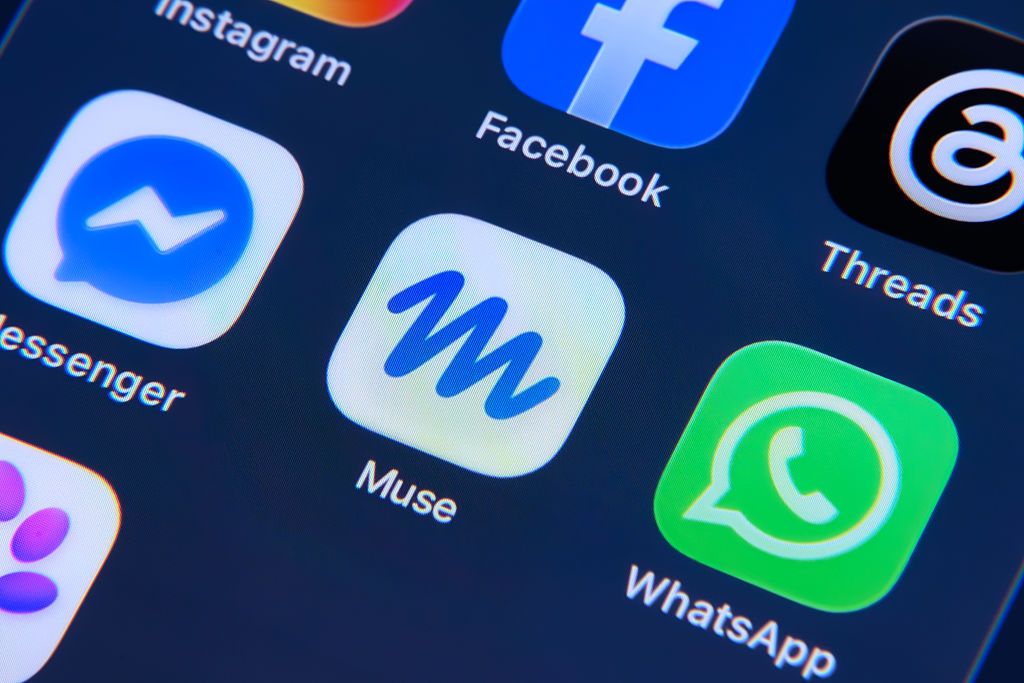
Meta announced Wednesday that Muse is now available in a dedicated iPad app, after topping 6.6 million installs since its September 8 iOS and Android launch.
Why it matters
The fast iPad arrival, one month after iPhone, signals how aggressively Meta is extending the agent's reach, even if its text-heavy design makes the port easier.
What to watch
Retail connectors still run into sites blocking agents as bots, so the experience hinges on whether Meta's open standard for agent identification gains adoption; watch the rollout of that effort announced Tuesday.
WHO IT HITSConsumers who use Meta's Muse assistant, and the small-business and retail teams whose apps and storefronts are being wired in as connectors, will feel the effects first as the app expands to iPad and more integrations go live.
Summaries like this, in your inbox every morning.
Meta has been pushing Muse out quickly. The assistant first launched on iOS and Android on September 8, and the iPad version arrived just a month later. That speed is notable when set against the roughly 15 years it took Instagram to get an iPad app, though Meta may have had an easier time here because Muse's text-heavy interface makes image and video formatting less of a hurdle.
The company is also broadening what Muse can reach. It has been adding partners that show up in Muse as "connectors," which users can selectively sign in to depending on how much of their online life they want an AI agent to handle. With the iPad release, that list gained several small-business tools and Meta ad account connectors, plus Notion and Granola. Meta has separately announced more retail partners, such as Best Buy, Gap, Sephora, Walmart, and Wayfair, whose sites the agent can shop and transact on users' behalf.
One unresolved issue is that some websites still mistake agents for bots and block their access. Meta's answer, announced Tuesday, is an open standard that would let personal AI agents identify themselves to businesses, which could help businesses separate good bots from bad. The outcome hinges on whether that standard is widely adopted, and on whether the new retail and small-business connectors work reliably enough for users to trust an agent with purchases and account access.
Pick your industry and the AI tools you use, and get news related to your work every day.
Free · 30 seconds with Google · unsubscribe anytimeWhat is AIToday? →
Ask AI anything about this article. The AI reads this article, earlier AIToday articles, and Wikipedia, and cites its sources. Q&As are published on this page for other readers too.
Dan Niles said on CNBC that Meta could build a public cloud as its next big business, noting Google, Microsoft…

Nvidia-backed Reflection AI and French lab Mistral unveiled new open-source models this week, Beam and Le Chon…

Higgsfield updated its AI influencer tool so users can insert a custom character into existing videos, as the…

OpenAI's dots and Meta's Muse start as assistants, then use other companies' websites and services
Faraday Future plans a US robotics factory online by the end of 2026, with the first "Built in USA" robot due…
Biohub is coordinating a $1.8 billion effort to train AI models that predict cell behavior, with Meta, Google…