
On 2026 年 10 月 6 日 OpenAI released model-generated math results and Lean proofs at openai/math; by October 7, three manuscripts were withdrawn and 14 corrections plus 13 reference updates were recorded.
Summaries like this, in your inbox every morning.
The OpenAI release on 2026 年 10 月 6 日 bundled model-generated results with Lean formal proofs in a single GitHub repository, and within a day the limits of that packaging became visible. The history file for October 7 separates withdrawals, proof fixes, citation updates, and additional formalizations into distinct categories, which matters because each implies a different kind of follow-up check. A withdrawal asks whether the cited claim and its underlying proof are still valid; a fix asks where the statement, assumptions, or argument changed; a reference update asks which version is now being cited and whether logical dependencies shifted.
Two relationships that look similar in a bibliography are not the same thing. Logical dependency means one theorem's proof assumes another theorem, while a bibliographic reference simply points to another document or version. Inferring the first from the second, or treating an updated citation as proof that dependencies were re-verified, is described as inappropriate. The AGMAI recommendations cited here — persistent identifiers, revision history, machine-readable links between natural-language claims and formal proofs, and explicit formalization status — are aimed at publishers, but they also describe what downstream researchers need in order to inherit verification rather than redo it.
The proposed management schema is explicitly not an existing openai/math structure; it is a conceptual example that separates manuscript status and version from claim-level verification scope, logical dependencies, and bibliographic references. A simple verified: true flag would lose which version and which theorem a formalization covers, and whether dependencies have since been revised. The 719 figure in the current README, for instance, is not a correction of 722 but the count after three withdrawals, so reading any number here requires knowing what was counted and at which point in time.
Pick your industry and the AI tools you use, and get news related to your work every day.
Free · 30 seconds with Google · unsubscribe anytimeWhat is AIToday? →
Ask AI anything about this article. The AI reads this article, earlier AIToday articles, and Wikipedia, and cites its sources. Q&As are published on this page for other readers too.
IBM's Bruno Aziza said the number of AI agents employees build will outpace what companies can manage, so firm…
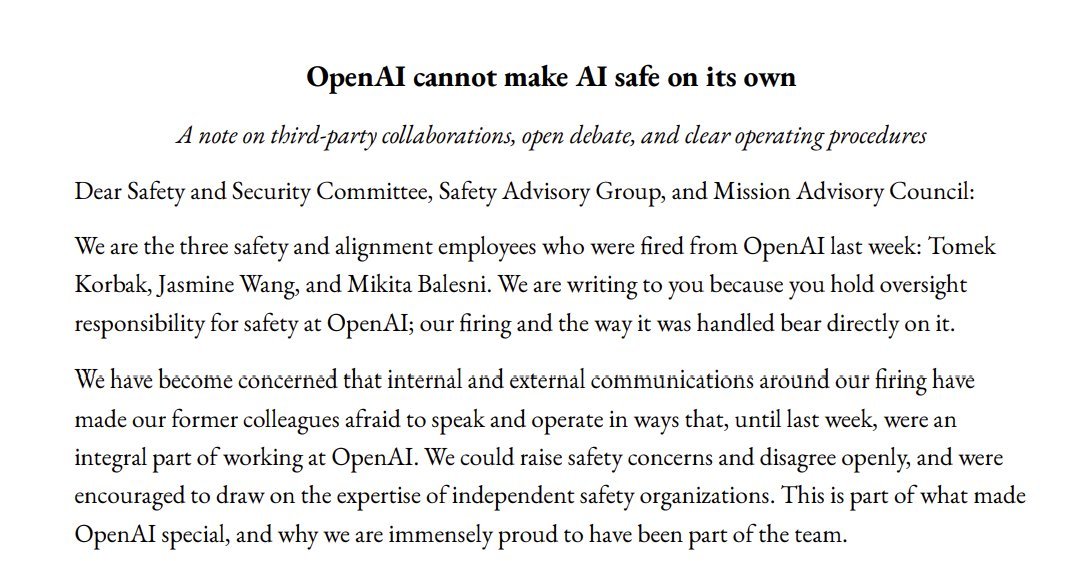
Mikita Balesni, Jasmine Wang, and Tomek Korbak said on October 8 they were fired the previous week and that no…
Nathan Lambert published an essay arguing AI progress will accelerate through engineering and infrastructure g…
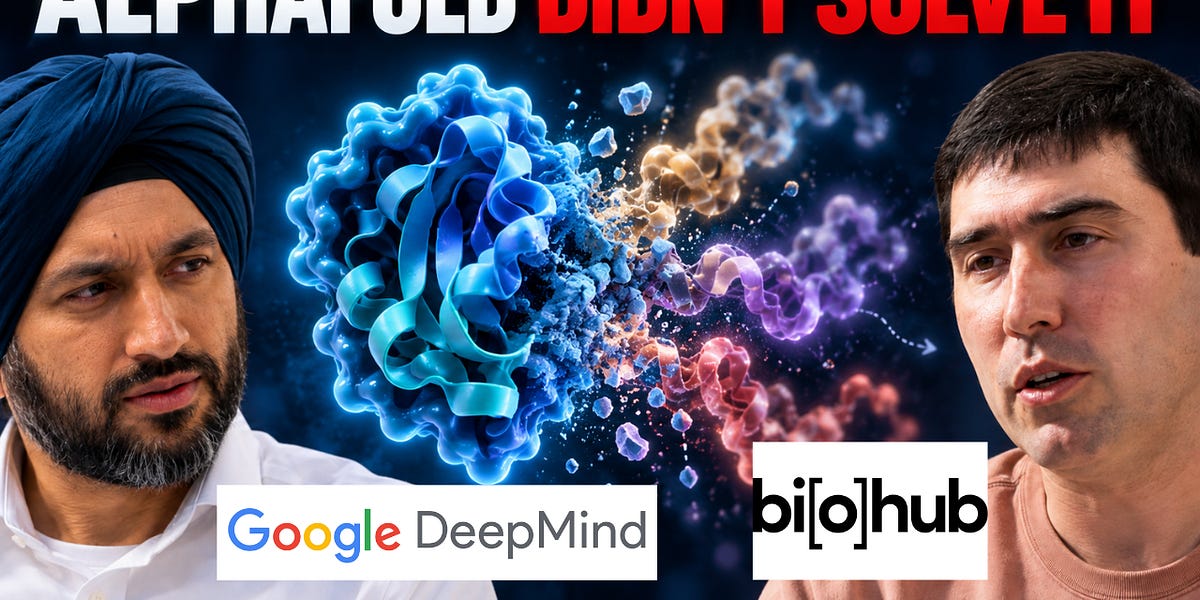
Google DeepMind's Pushmeet Kohli said AlphaFold did not solve protein folding, because proteins are disordered…
ALPHA FORGE's new sandbox.py calls the same inference orchestrator as the daily batch but never calls the ledg…

Writing on Zenn, Taichi Endoh — a clinical engineer and AI engineer — says the first step in a leak is to defi…