
Writing on Zenn, Taichi Endoh — a clinical engineer and AI engineer — says the first step in a leak is to define scope, citing Anthropic's official statement on the Claude Code source leak via npm source maps.
Summaries like this, in your inbox every morning.
Endoh's essay is built on a self-imposed limit: he says he drew only on his own published Qiita and note articles, public reporting, and public information about the Act on the Protection of Personal Information and the Pharmaceuticals and Medical Devices Act. He states that actual investigation procedures, his organization's response flow, and the data it holds are not included. That framing matters because his argument is about sequence, not tactics.
The comparison he draws runs across three domains. In hospital infection control, the first move is to define the scope of the cluster — which wards, which period, which patient groups — before epidemiological investigation, cause analysis, and prevention measures. For medical devices, manufacturers must report malfunctions to PMDA under the Pharmaceuticals and Medical Devices Act, and Endoh notes those reports rest on pinning down how a failure occurs and its incidence rate before cause and safety measures are considered. Under Article 26 of the Personal Information Protection Act, mandatory-report categories and required report items such as the number of affected individuals and the categories of leaked information encode the same idea, as does the two-stage preliminary and final reporting flow.
He is careful to call the infection-control summary a generalized arrangement based on notices such as the Ministry of Health, Labour and Welfare's guidance, and directs readers to the Personal Information Protection Commission's official guidelines and report forms for detail. The piece closes with a disclaimer that it reflects his personal view, is not legal advice, and that regulatory judgments should go to an organization's responsible officers, security team, or experts.
Pick your industry and the AI tools you use, and get news related to your work every day.
Free · 30 seconds with Google · unsubscribe anytimeWhat is AIToday? →
Ask AI anything about this article. The AI reads this article, earlier AIToday articles, and Wikipedia, and cites its sources. Q&As are published on this page for other readers too.
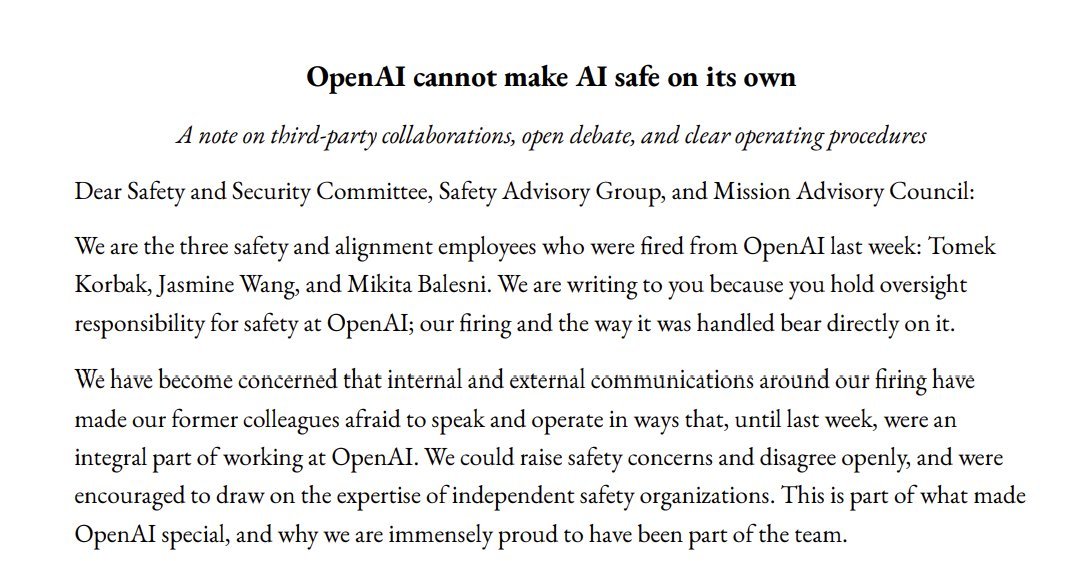
Mikita Balesni, Jasmine Wang, and Tomek Korbak said on October 8 they were fired the previous week and that no…
Nathan Lambert published an essay arguing AI progress will accelerate through engineering and infrastructure g…
ALPHA FORGE's new sandbox.py calls the same inference orchestrator as the daily batch but never calls the ledg…

The guide walks through creating a TypeScript MCP server with @modelcontextprotocol/sdk, registering a single…
A Zenn field report on Claude Code 2.1.286〜2.1.288 (October 2026, Windows) lists five failures when a Mod buil…
The AI recipe newsletter's editorial team asked Claude three trick questions — the iron-and-feathers weight pu…

