What happened
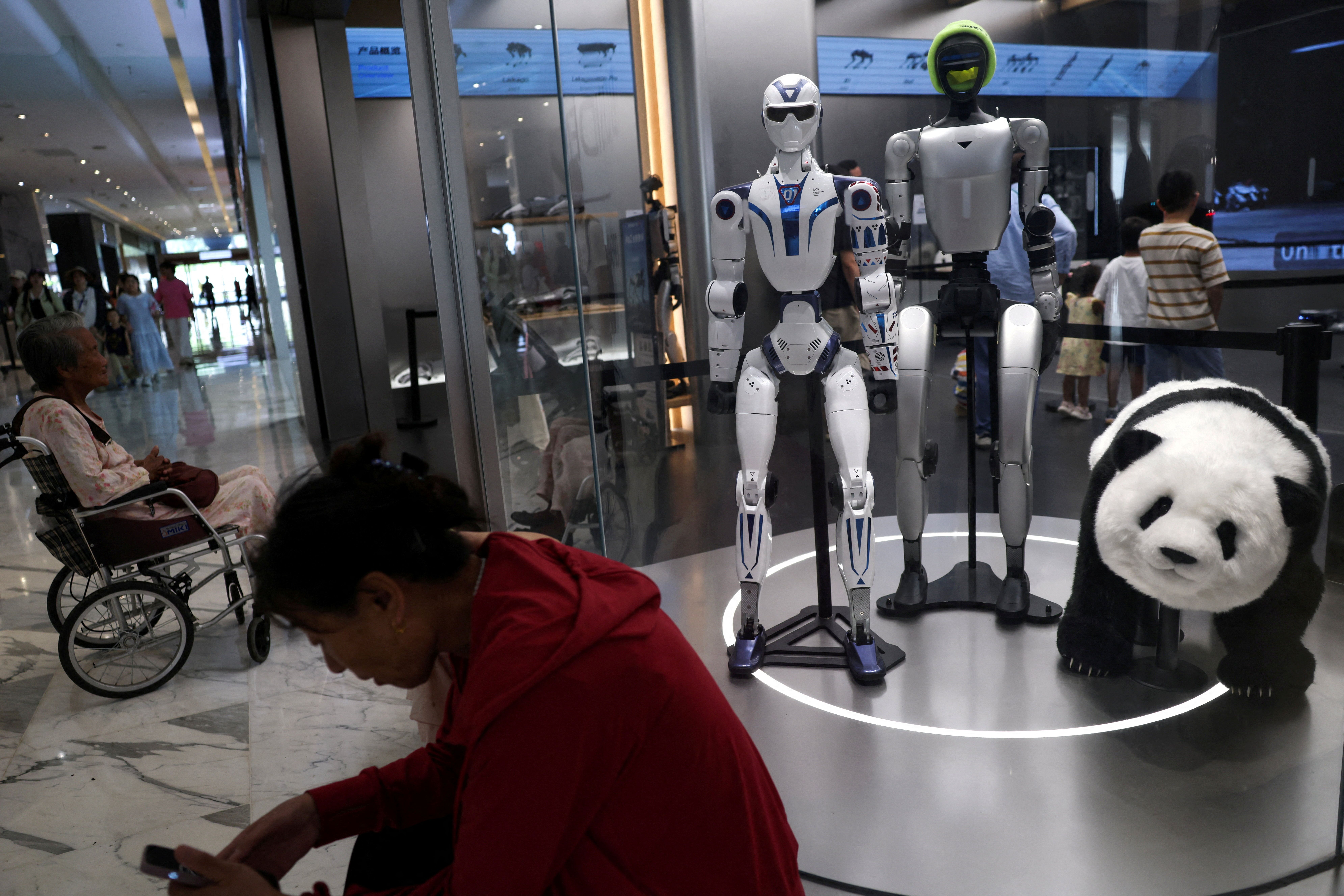
Unitree, a Chinese humanoid robot maker, went public on the Shanghai exchange this week, coinciding with the World Robot Conference in Beijing. The company recently unveiled a "Superman" robot capable of jumping more than six feet in the air and sprinting at nearly 30 miles per hour.
Why it matters
Chinese policymakers are prioritizing robots, pharmaceuticals, and AI as key export sectors—a shift from earlier economic disruption centered on manufacturing. This marks what experts describe as a new "China shock" driven by advanced AI technology, though the real challenge for these companies will be proving the robots can reliably generate economic value rather than simply perform impressive feats.
What to watch
Unitree's humanoids already demonstrate capabilities like dancing and martial arts, but the critical test ahead is whether they can deliver practical, revenue-generating applications in real-world conditions.
Summaries like this, in your inbox every morning.
Unitree's Shanghai listing this week marks a visible shift in China's economic strategy—away from the low-cost manufacturing exports that defined earlier Western disruption and toward higher-technology sectors like robotics and AI. The timing of the company's IPO with the World Robot Conference in Beijing underscores how seriously Chinese policymakers regard robots and AI as pillars of future export competitiveness. Experts characterize this transition as a new "China shock," distinguishing it from the manufacturing disruptions of the past.
The showcase of Unitree's "Superman" robot—jumping more than six feet and sprinting at nearly 30 miles per hour—has drawn investor enthusiasm and demonstrated genuine technical progress. However, the body notes that the real test lies ahead: as Reuters observed, companies must prove these robots can "work reliably to generate economic value." Impressive athletic feats like dancing and martial arts are demonstrations of capability, but moving from prototype to economically productive deployment is a different challenge.
Pick your industry and the AI tools you use, and get news related to your work every day.
Free · 30 seconds with Google · unsubscribe anytimeWhat is AIToday? →
Ask AI anything about this article. The AI reads this article, earlier AIToday articles, and Wikipedia, and cites its sources. Q&As are published on this page for other readers too.
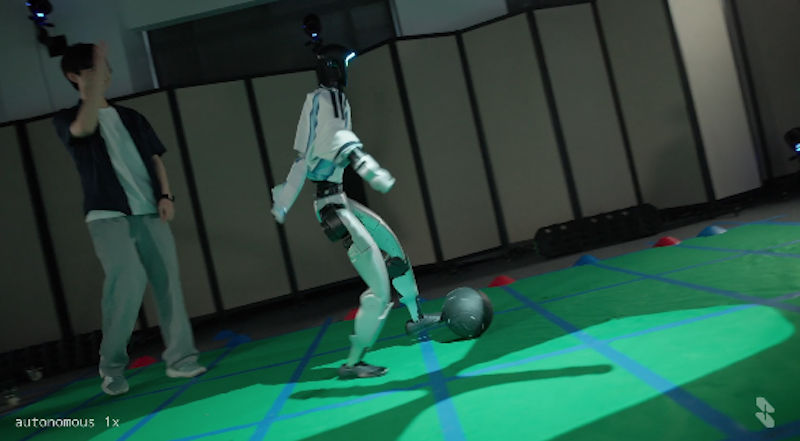
Skild AI used Nvidia Isaac Sim to give its S1 model one objective — score a goal — and let it compete against…
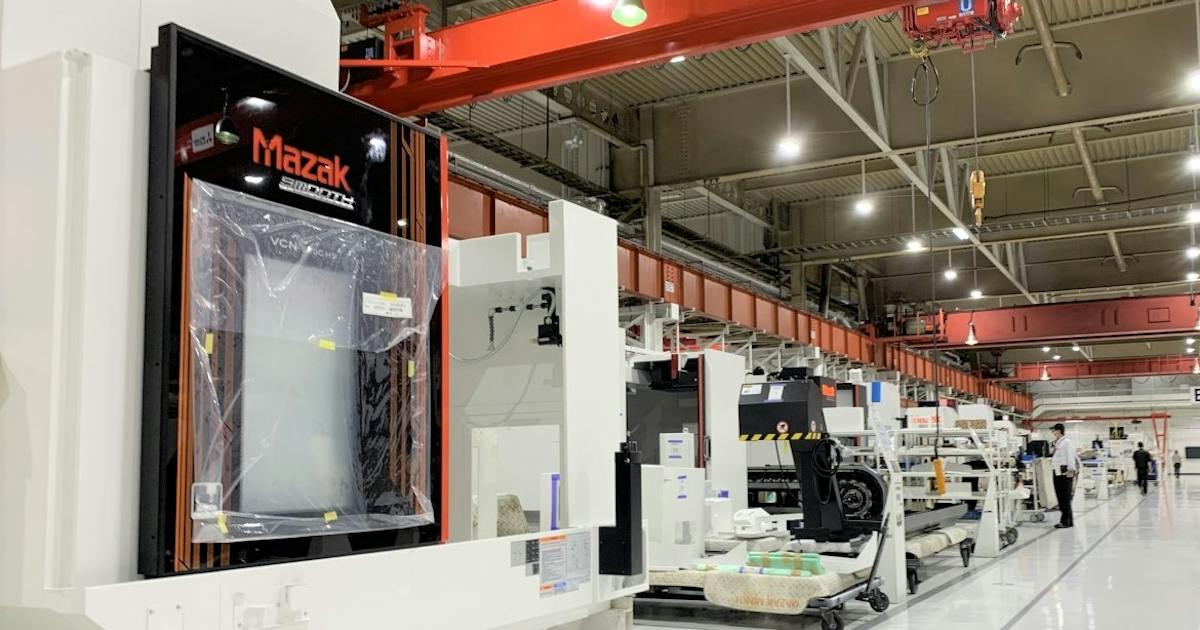
Yamazaki Mazak and ABEJA said on the 16th they will start joint development of physical AI, using ABEJA's ABEJ…
Toyota Motor's Japan Mobility Show Bizweek 2026 booth centers on its AI basketball robot CUE7, has no other ex…
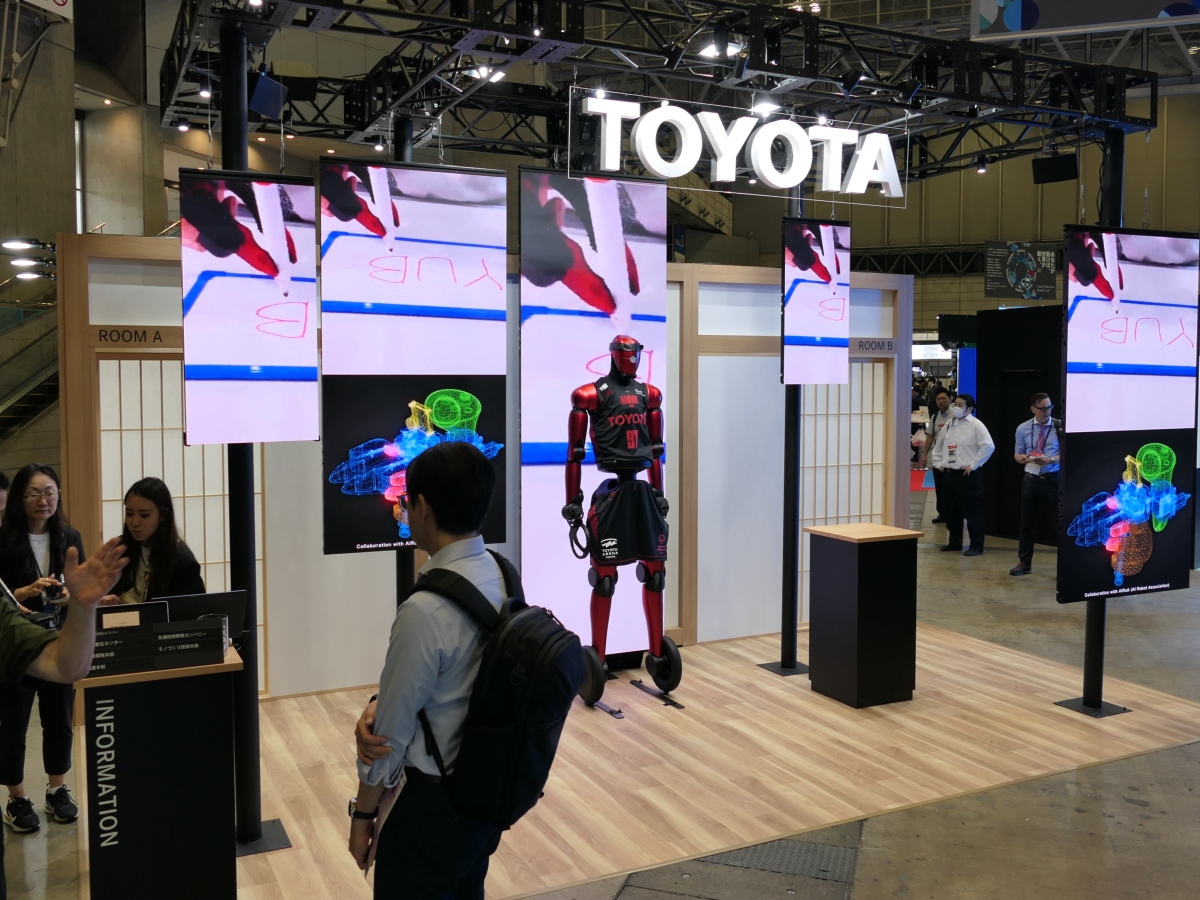
Japan Mobility Show Bizweek 2026 showcased Physical AI applications, including Toyota's basketball-playing rob…
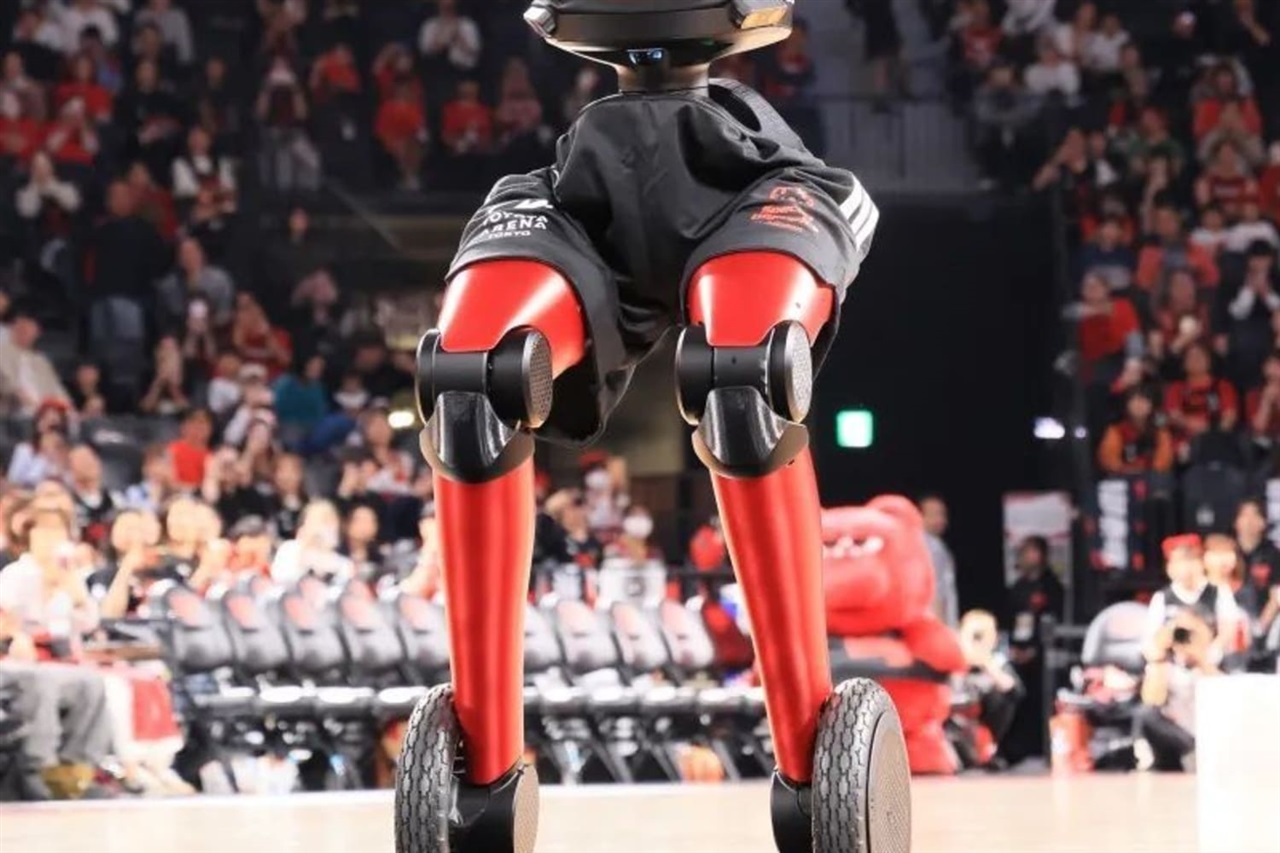
Google pitched Gemini 4 Argon as one model for robot control, simulation and training-data review, saying it s…
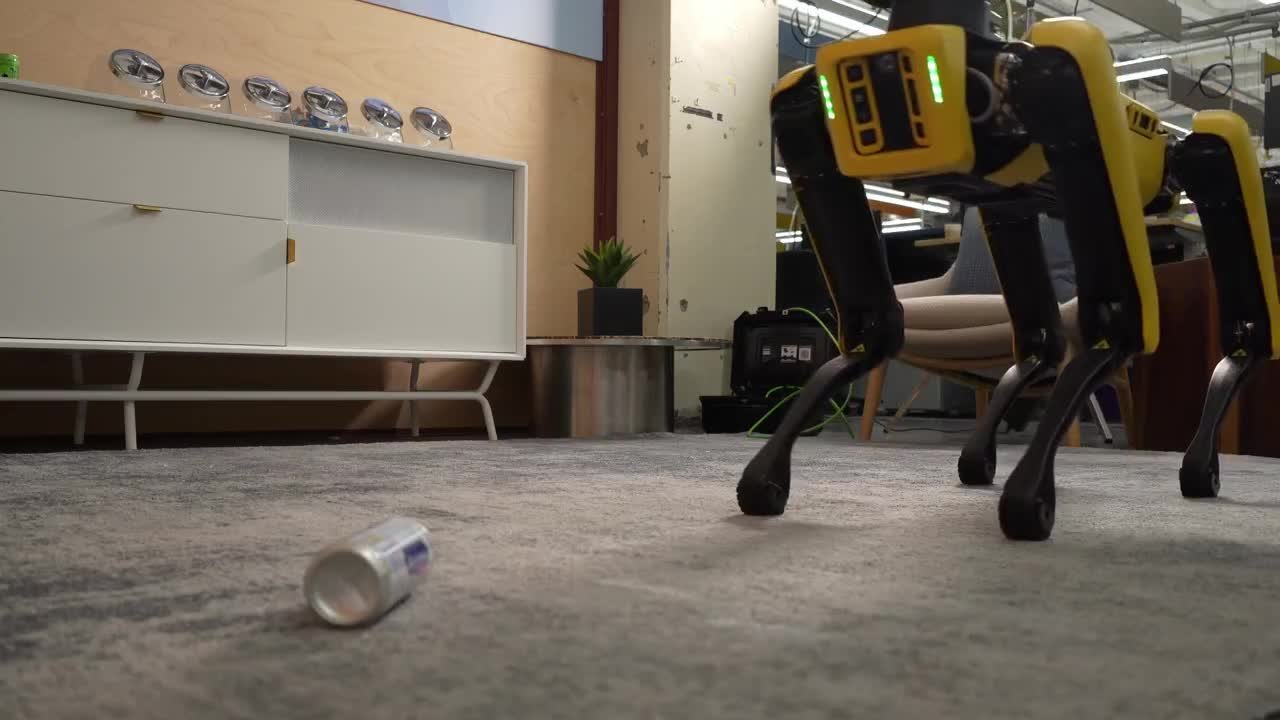
Researcher Sammy Azdoufal discovered Energize Lab's Eiliko robot stores 13 million conversations from 68,000 t…