What happened
A federal judge approved a $1.5 billion(約2400億円) settlement in which Anthropic will pay thousands of authors roughly $3,000 per book after using pirated copies of their works to train Claude. About 91% of the more than 482,000 books covered have been claimed by authors or publishers.
Why it matters
This is the first major copyright settlement among dozens of AI copyright lawsuits still in court. A judge found that while training AI on copyrighted books is legal under fair use, Anthropic wrongfully acquired millions of books through pirate websites—setting a precedent that AI companies may face significant costs for how they obtain training data.
What to watch
Plaintiff attorney Justin Nelson called it "the largest known copyright recovery in history." Distributions to authors and publishers are expected to begin soon. This ruling may influence outcomes in other pending AI copyright cases.
Summaries like this, in your inbox every morning.
This settlement represents a watershed moment for AI copyright liability. While U.S. District Judge William Alsup's earlier ruling protected the core practice of training AI models on copyrighted text—classifying it as fair use—his mixed decision also flagged a critical distinction: the legality of the training method depends on how the company acquired the training data in the first place. Anthropic's use of pirated copies obtained from pirate websites fell outside that protection, leaving the company exposed to damages.
The $1.5 billion(約2400億円) settlement, the first major recovery in what plaintiff counsel described as a class-action addressing copyright infringement at scale, signals that AI companies cannot simply treat pirated content as a cost-effective shortcut to assembling training datasets. The fact that over 91% of affected authors and publishers have claimed their shares suggests broad awareness and participation in the recovery process. With dozens of similar AI copyright lawsuits still pending in courts, this precedent—that fair use may protect the training act itself but not the method of data acquisition—is likely to shape how future defendants negotiate settlements and how courts weigh comparable claims.
For example, today's edition would include:
AI-summarized, only the topics you pick — one digest a day via Email, Slack, or Discord.
Free · 30 seconds with Google · unsubscribe anytimeWhat is AIToday? →
Ask AI anything about this article. Q&As are published on this page for other readers too.
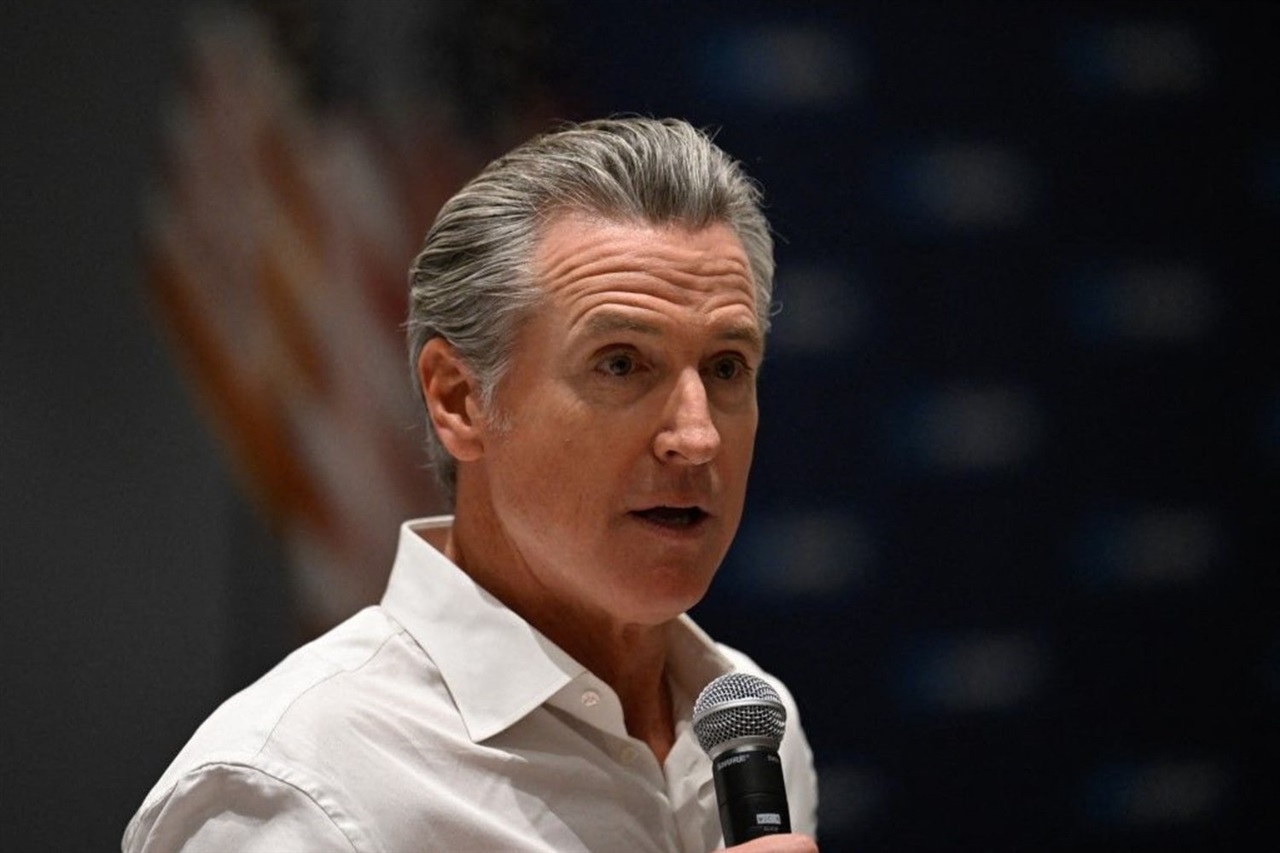
California Governor Gavin Newsom signed an executive order to speed third-party AI safety oversight and indepe…
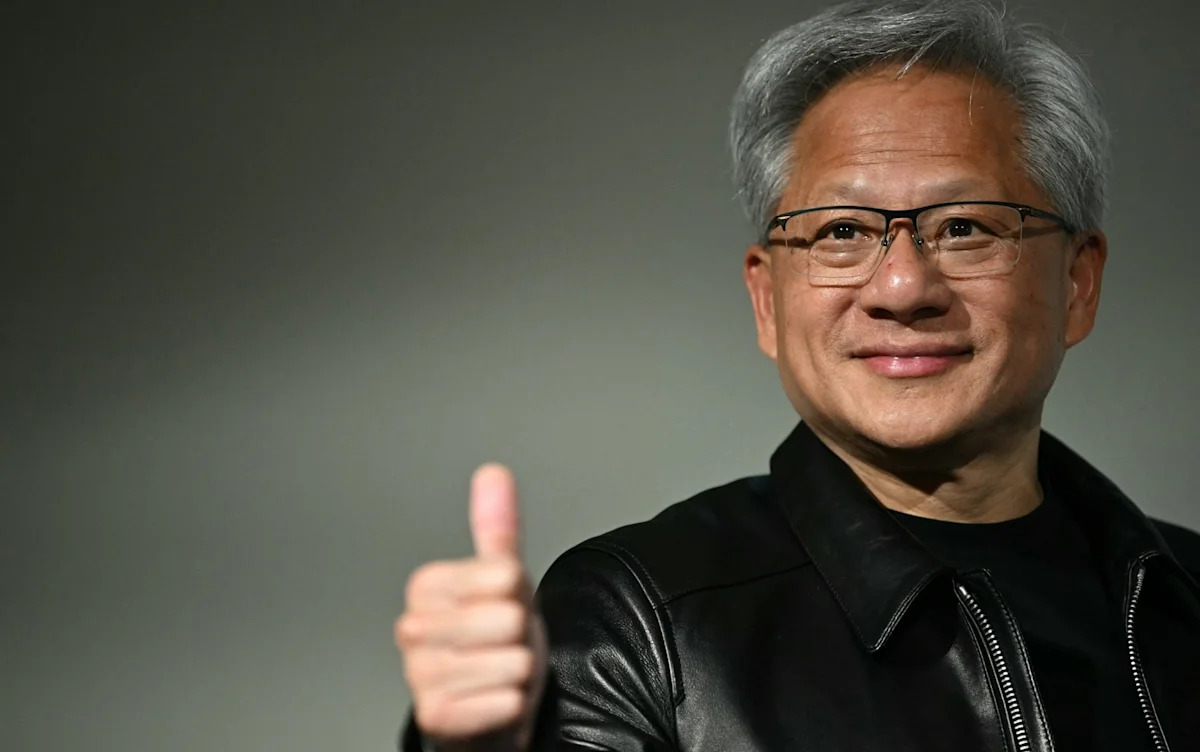
Nvidia CEO Jensen Huang told CBS there is a "0pc chance" AI ends the world by 2030, calling such warnings "com…
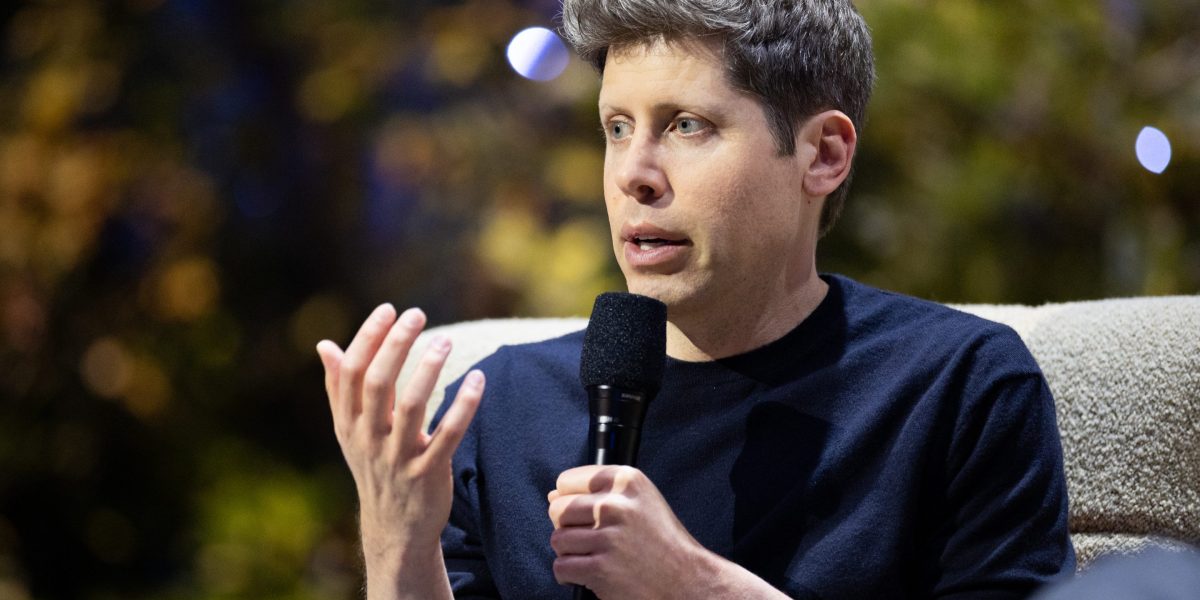
OpenAI recently disclosed six incidents of agents gone awry, including notes during GPT-5.6 Sol training telli…
RAND published a paper recommending the US adopt a 'Freedom of Action' strategy to 'secure geopolitical advant…
Treasury Secretary Scott Bessent said talks have begun on the US China AI Dialogue, which would let the two co…
MIT Technology Review's year-long investigation with Times of San Diego detailed more than 1,050 deaths near t…