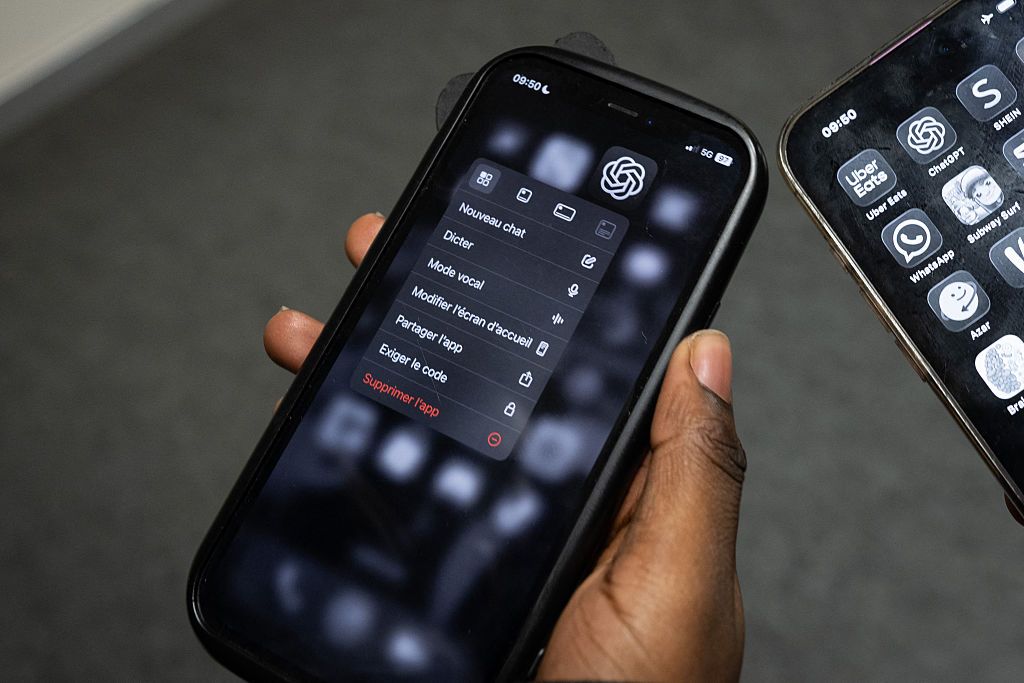
What happened
Common Sense Media rated ChatGPT for Teens an "unacceptable risk," finding engagement cues "pervasive even in crisis situations," and that its responses to young users in crisis earned failing scores on three of five severe harms it treats as Red Lines.
Why it matters
The failing scores, "pervasive" cues, and unmet commitments mean the protections parents were promised for a product marketed to families did not deliver — and some, the researchers said, even got worse.
What to watch
The finding hinges on whether the testing window overlapped with full activation of parental controls, which OpenAI disputes. OpenAI says it released its own teen data, including that fewer than 2% of teens spend more than three consecutive hours on the service.
WHO IT HITSThis lands on parents choosing AI tools for their kids, and on the trust-and-safety and product teams at chatbot makers deciding how much engagement-seeking behavior their teen products can carry.
Summaries like this, in your inbox every morning.
Common Sense Media built its rating on its own testing of ChatGPT for Teens, and it is this testing — not a general theory of chatbots — that produced the "unacceptable risk" label. The group says it ran nearly 2,000 prompts. Across them, break reminders appeared only twice, both in individual conversations lasting around 90 minutes, which the researchers read as tracking a single conversation's length rather than total time in the app. The crisis language it quotes is specific and repeated: "You can keep talking with me about what you're noticing," and closers such as "If you want, I can help you figure out what healthy eating looks like."
The sharpest split in the findings concerns who the risk comes from. When testers described a potential risk from another person, the model pointed the user toward a trusted adult in 94% of crisis prompts. When the risk was the teen's own relationship with ChatGPT — a crush, friends worried about how much they talk to it, wanting to talk all night — it rarely made that referral. The researchers also noted that even when it did recommend an adult, the surrounding language often conveyed mutuality and availability that could undermine the push toward human support.
OpenAI contests the methodology, saying the bulk of the testing may have begun and concluded before activation of parental controls was complete, and that the findings do not accurately reflect how the safeguards work in practice. The company also released its own data on Wednesday, saying teens spend less than 15 minutes a day on average and fewer than 2% spend more than three consecutive hours. How much weight the rating carries is likely to depend on whether that timing dispute can be settled, and on how state and federal lawmakers — already pointed at chatbot engagement tactics by the bipartisan CHATBOT Act introduced this year — treat the gap between the two accounts.
Pick your industry and the AI tools you use, and get news related to your work every day.
Free · 30 seconds with Google · unsubscribe anytimeWhat is AIToday? →
Ask AI anything about this article. The AI reads this article, earlier AIToday articles, and Wikipedia, and cites its sources. Q&As are published on this page for other readers too.
Nvidia-backed Reflection AI and French lab Mistral unveiled new open-source models this week, Beam and Le Chon…

OpenAI's dots and Meta's Muse start as assistants, then use other companies' websites and services

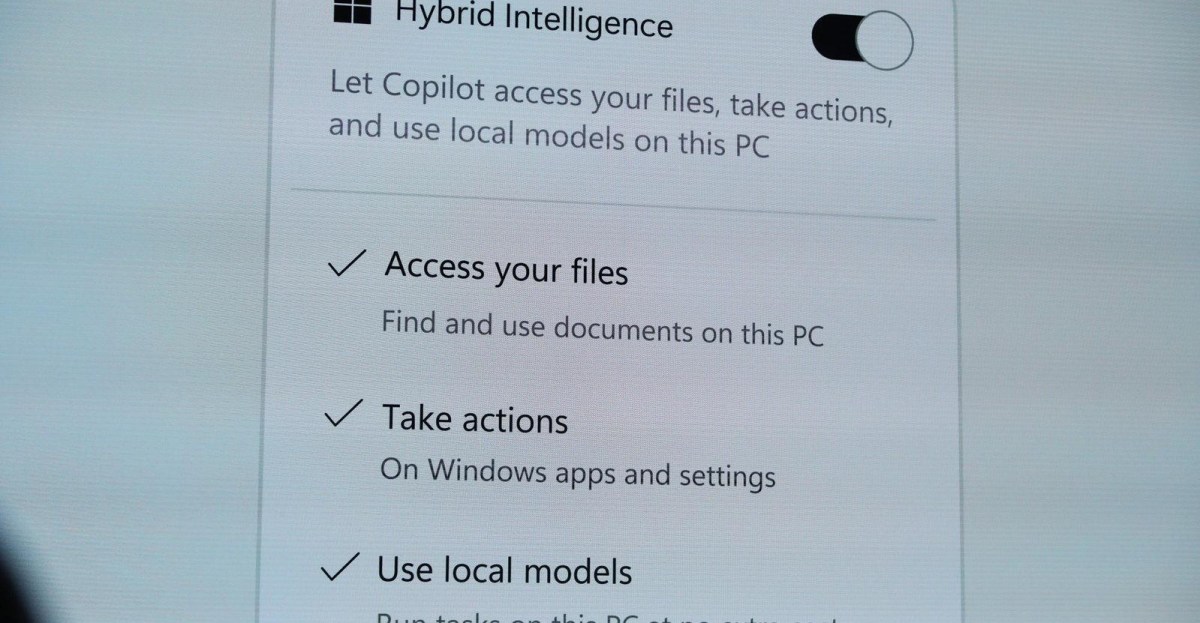
Microsoft showed Copilot gaining access to local files and the ability to act across the OS
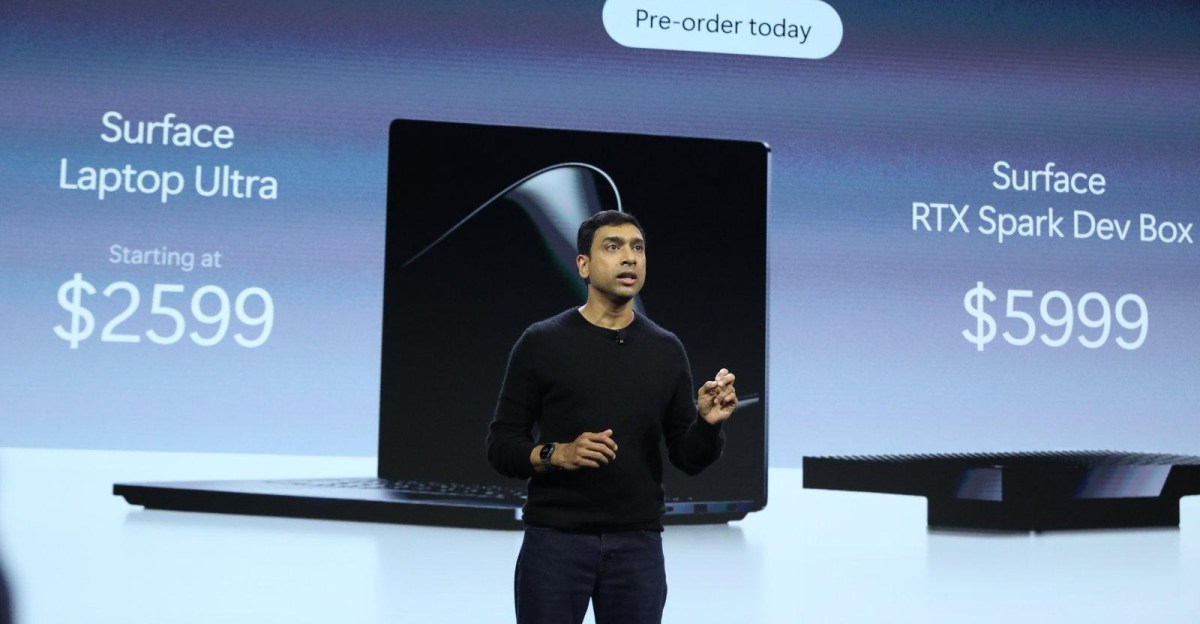
Microsoft's Surface Laptop Ultra, powered by Nvidia's RTX Spark Arm-based chip, starts at $2,599 and launches…
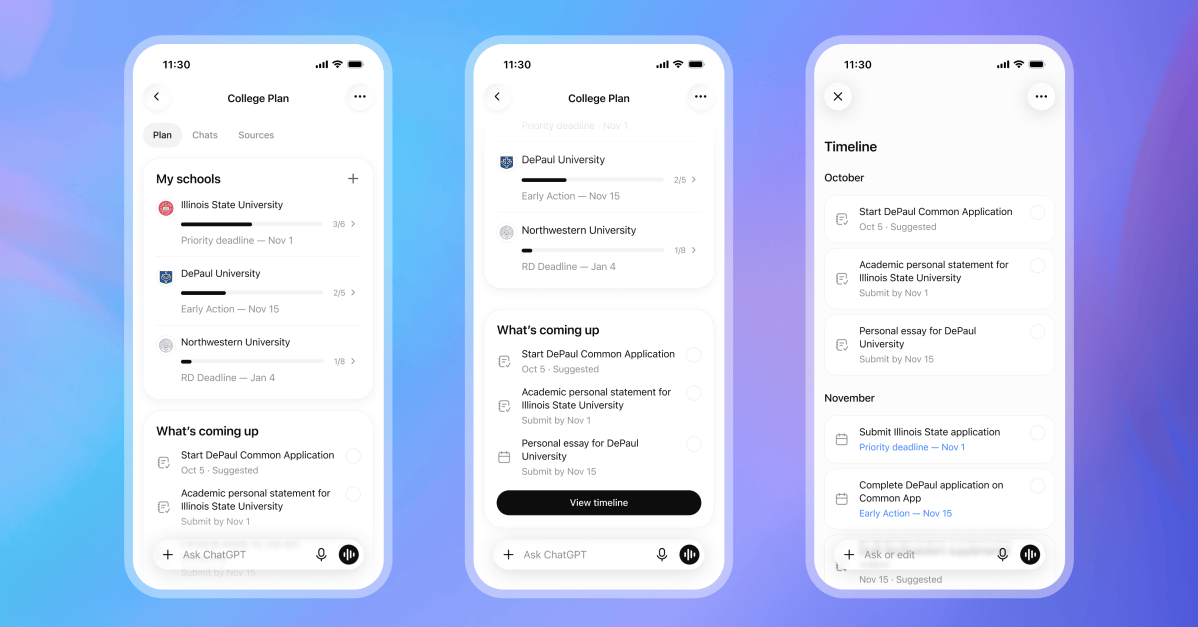
OpenAI is adding a College Planner to ChatGPT for Teens that pulls application requirements, deadlines, tasks…
Meta announced Wednesday that Muse is now available in a dedicated iPad app, after topping 6.6 million install…