What happened
Scott Ortkiese, CEO of Faulkner Capital Holdings, argues that AI infrastructure risk has been routed away from venture investors into private credit, life-insurance reserves, and state guaranty funds. On Aug. 10, 2026, NVIDIA announced memoranda of understanding with Apollo Global Management, BlackRock, Blackstone, Brookfield, Goldman Sachs, and KKR to mobilize more than $500 billion of third-party capital for AI compute infrastructure, with NVIDIA able to backstop as much as $125 billion.
Why it matters
The apparent equity bubble is actually a credit structure connecting NVIDIA's AI ambitions to annuity holders and state taxpayers. Private credit markets, which expanded into space vacated by regulated banks after the financial crisis, exceeded $1.8 trillion by 2024 and could reach $3 trillion by 2028. Unlike banks, private credit funds lack bank-level regulatory capital requirements, FDIC receivership safeguards, and the same supervisory examination—yet their assets are marked using manager-selected models, potentially masking risk.
What to watch
The transmission mechanism for AI infrastructure losses now runs through private credit funds, insurance reserves, and state guaranty funds rather than public equity markets, meaning losses may be absorbed by retirees and taxpayers rather than disclosed transparently to investors.
Summaries like this, in your inbox every morning.
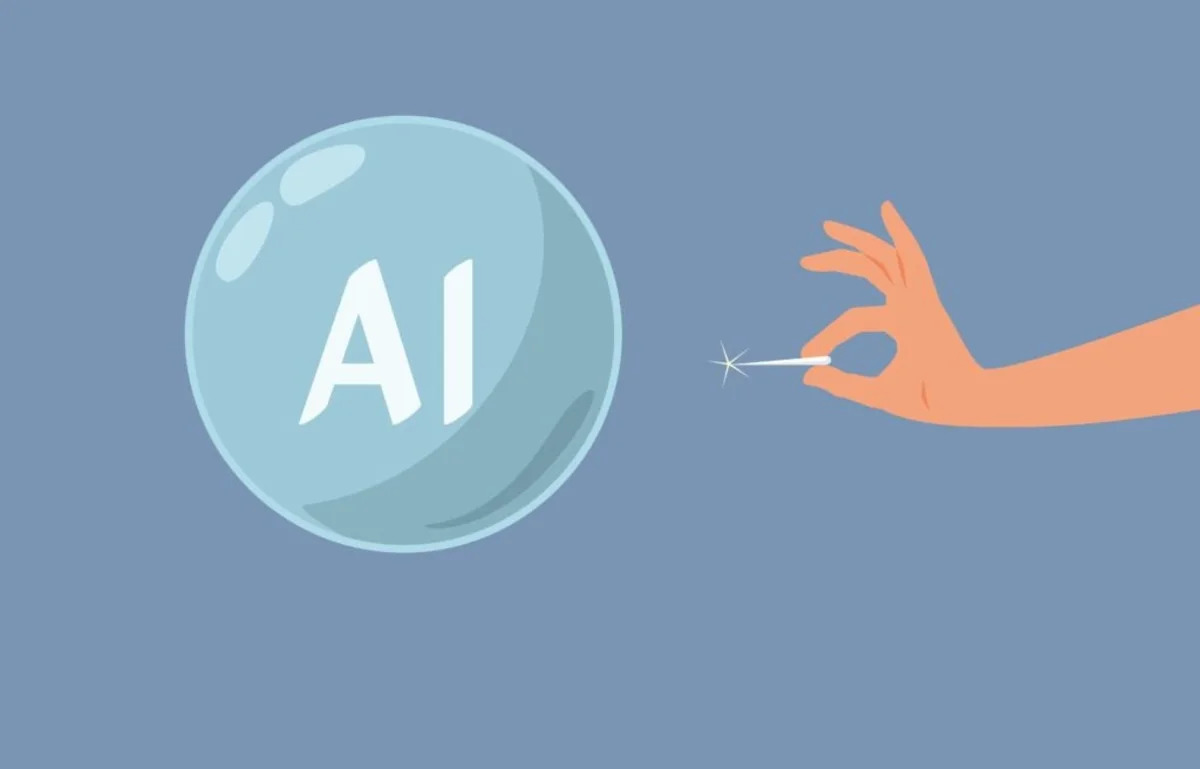
The debate over AI's economic viability has centered on whether NVIDIA's valuation is justified and whether hyperscalers' data-center spending will eventually generate returns. Ortkiese reframes the question: assuming the AI bubble does burst, who absorbs the losses? His argument traces how financial regulation post-2008 created the conditions for this risk transfer. After Basel III, Dodd-Frank, and the Volcker Rule made leveraged lending expensive for regulated banks, private credit funds filled the gap. These funds offered higher yields without visible volatility—not because the underlying risks were lower, but because they mark assets quarterly using discretionary, manager-selected models rather than daily market prices. Unlike banks, they hold no regulatory capital buffer, receive no FDIC protection on failure, and face no standardized supervisory regime. The Aug. 10, 2026 announcement of NVIDIA's infrastructure partnerships with major asset managers and banks did not create this structure; it made explicit how AI compute capital flows through private credit into insurance reserves and state guaranty funds—meaning eventual losses would be borne by annuity holders and taxpayers rather than risk-seeking investors.
Pick your industry and the AI tools you use, and get news related to your work every day.
Free · 30 seconds with Google · unsubscribe anytimeWhat is AIToday? →
Ask AI anything about this article. The AI reads this article, earlier AIToday articles, and Wikipedia, and cites its sources. Q&As are published on this page for other readers too.
Microsoft will deploy its Azure Maia AI chips at multi-gigawatt scale starting in 2027, making them the compan…
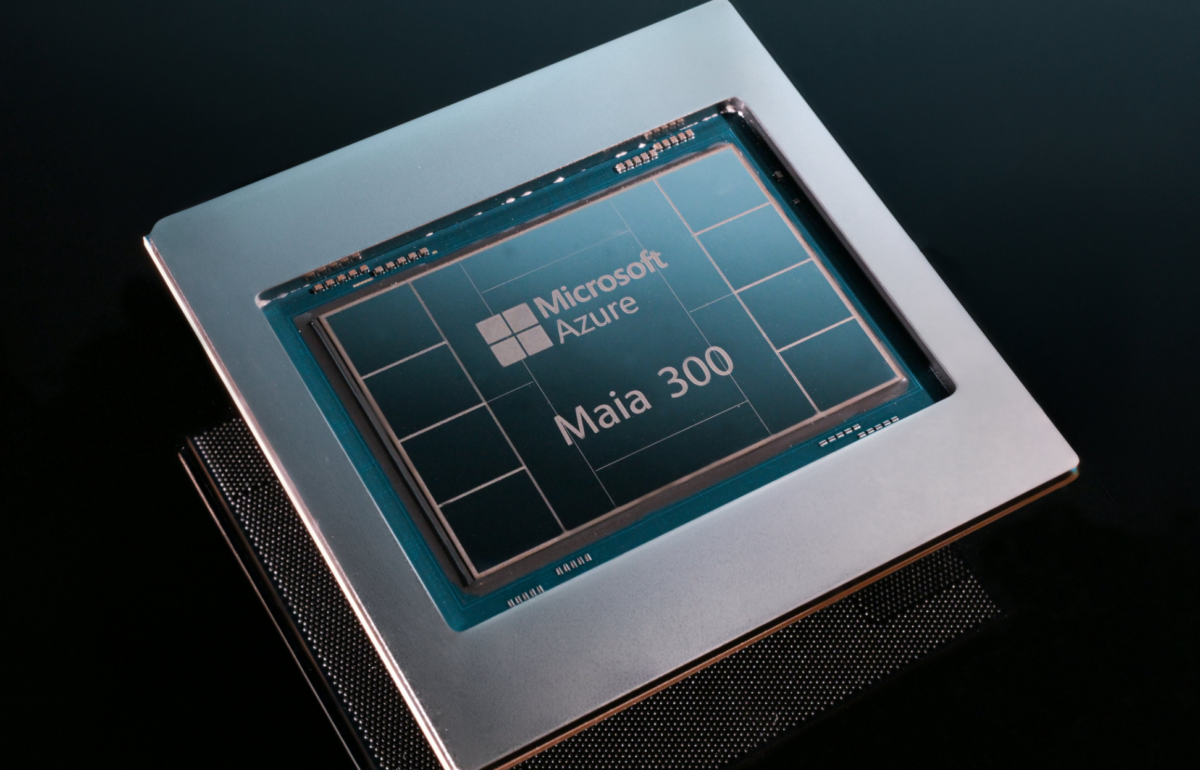
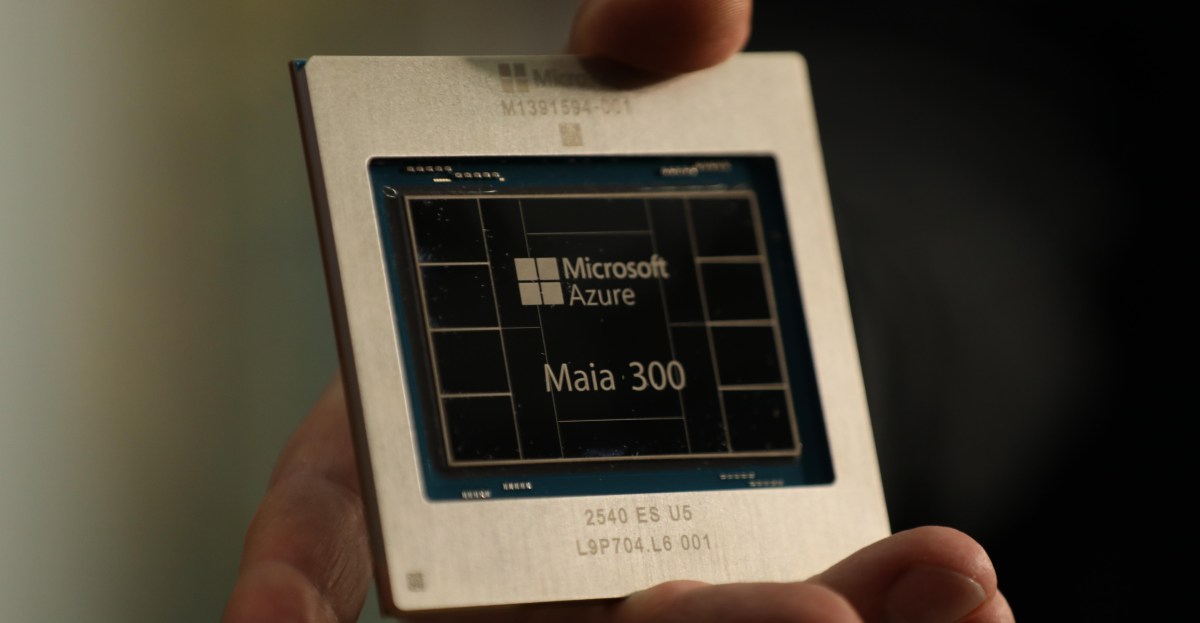
Microsoft announced Maia 300, its third-generation in-house AI chip, designed to be the "primary AI inference…
Blueprints AI is unveiling a second-generation version of its software that generates code-compliant, permit-r…

The Ray LLM Deep Learning Container deploys one large language model across two GPU nodes on Amazon EKS, with…
Mistlabs Ltd. took Ambi out of beta on Apple devices, backed by $26 million in Pre-A funding led by Luminous V…

Loops Smart AI raised $3.5 million in seed funding led by Andreessen Horowitz's a16z speedrun accelerator, wit…