
An engineer ran a single ffmpeg command with fps=1/5 and tile=8x16 on an 8-minute 24-second 1080p clip; it finished in about 8 seconds and output one 2560×2880px PNG (3.6MB).
Summaries like this, in your inbox every morning.
The problem the engineer describes started with producing videos using AI: reviewing two 10-minute clips by watching them end to end took 20 minutes each time. Skipping that review risks shipping visible defects that automated checks do not catch, such as a background staying completely black for several minutes. The fix relies on ffmpeg's contact sheet, which arranges frames sampled at fixed intervals into a grid so a whole video becomes one image.
The engineer notes that burning timestamps into each frame via the drawtext filter is not always possible, because that filter is only available in ffmpeg builds that include libfreetype. The Homebrew build on hand (ffmpeg 8.1.1) did not list drawtext in the output of ffmpeg -filters, so the timestamp is instead back-calculated from the tile's position in the grid. One caveat is that if the grid has more cells than the video has sampled frames, the leftover cells are filled with black, which can look like the black-screen defect; the advice is to tell the AI that trailing black cells are padding.
The approach is deliberately split into two layers. Deterministic checks such as blackdetect, freezedetect, and matching actual duration against audio timing catch only abnormalities that can be defined in advance. The contact sheet plus AI acts as the visual layer, which can catch abnormalities that were never put into words but tolerates the coarseness of the sampling interval — a gap the engineer says must be closed by the deterministic layer.
Pick your industry and the AI tools you use, and get news related to your work every day.
Free · 30 seconds with Google · unsubscribe anytimeWhat is AIToday? →
Ask AI anything about this article. The AI reads this article, earlier AIToday articles, and Wikipedia, and cites its sources. Q&As are published on this page for other readers too.
A write-up describes running Claude Code unattended every four hours via Windows Task Scheduler and Python, wi…
A user left a Claude Code subagent running overnight with the MacBook lid closed and returned to a "Request ti…
The author built 18 decks in Claude Code between May and August, using HTML and a shared asset folder instead…
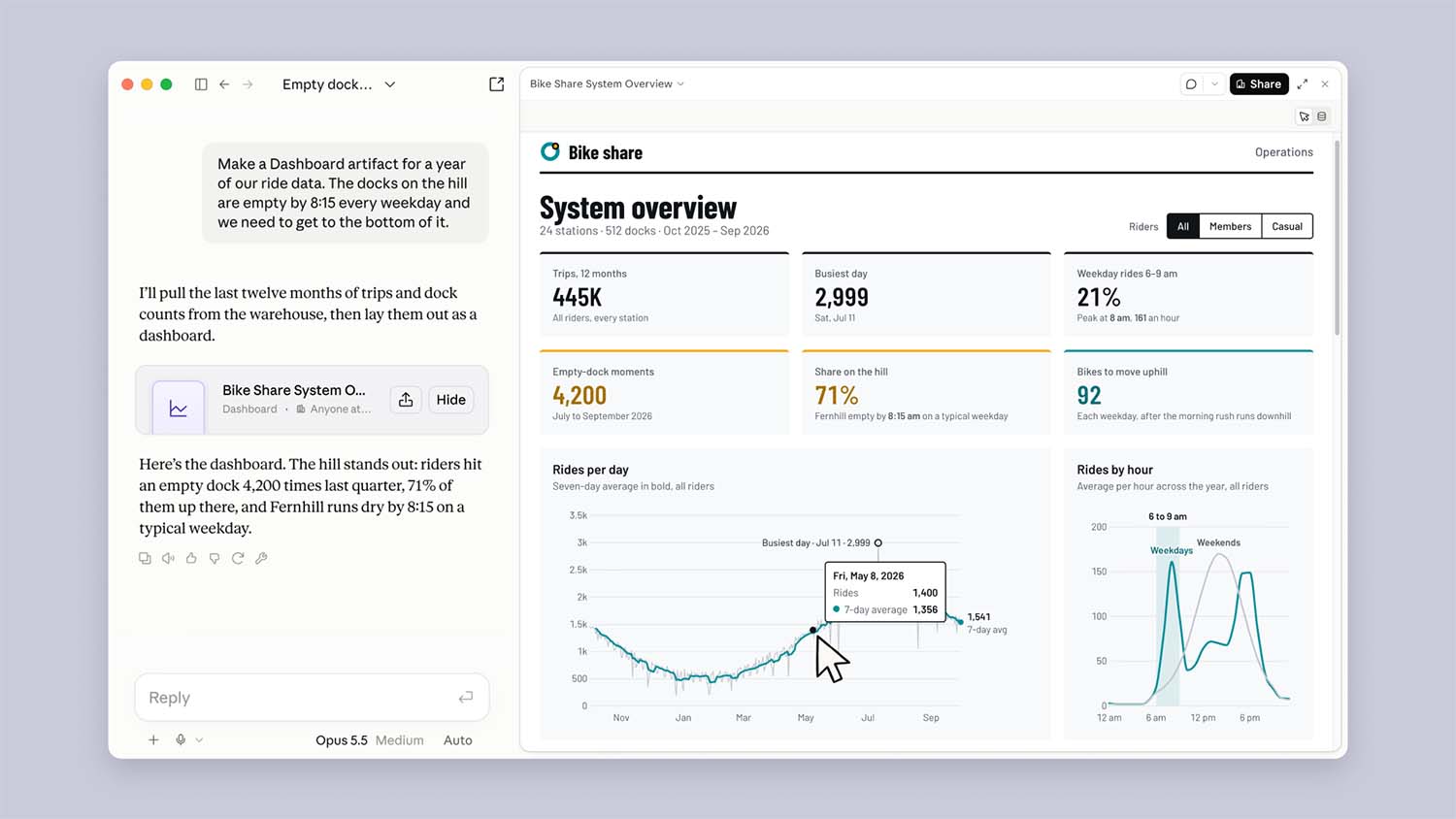
Anthropic added Claude Dashboards, which turns company data into live dashboards, and Claude Motion, which cre…
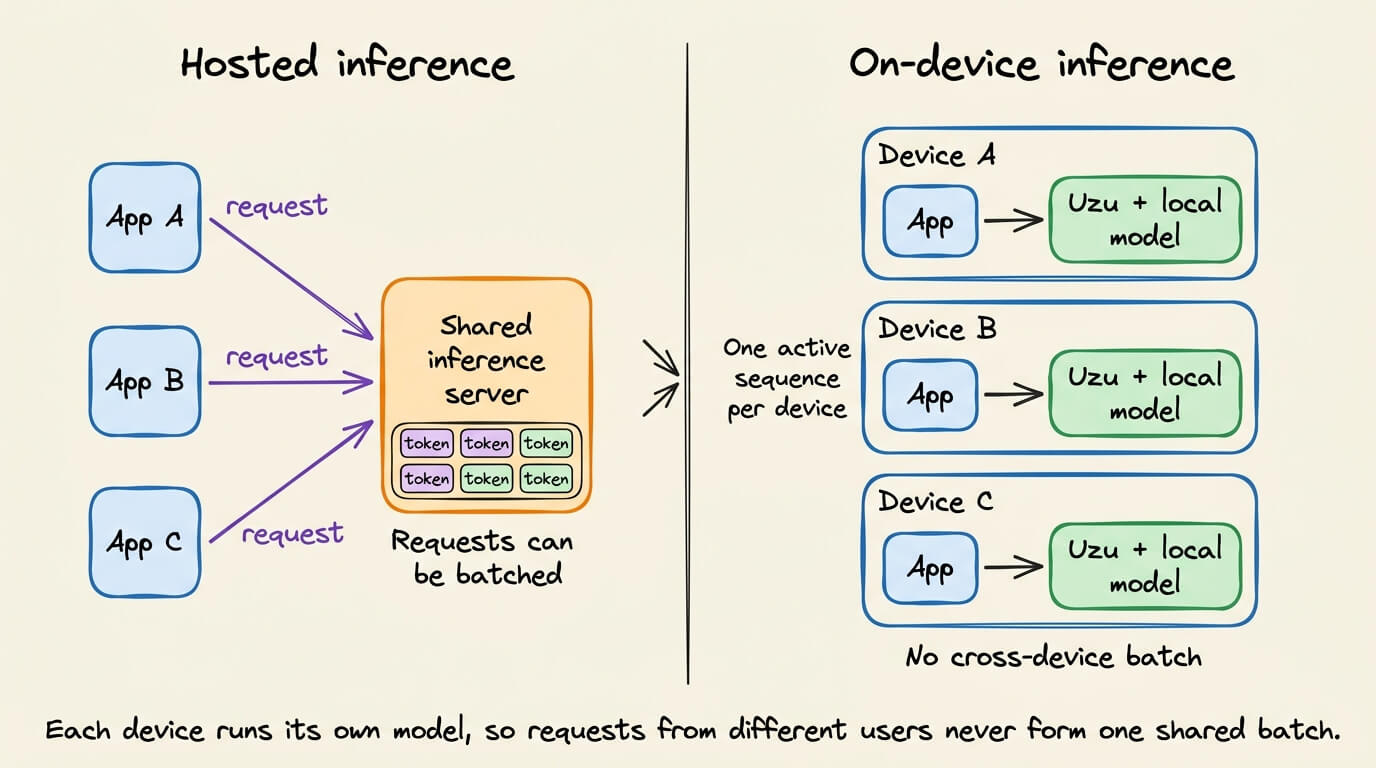
Uzu, Mirai's open-source engine, generated 92–117 tokens per second on a base M5 MacBook Pro with 4-bit Qwen3.…
clipref v0.2.0 is a command that takes text from the clipboard or standard input, writes it to a new file, and…

