
The author built 18 decks in Claude Code between May and August, using HTML and a shared asset folder instead of PowerPoint, and asked Claude to write the HTML inside the repository.
Summaries like this, in your inbox every morning.
The author's setup separates the deck body from a shared asset folder. Each deck is its own directory with an index.html that just lines up <section> elements inside a <deck-stage> tag, while colors, type, slide layouts and a deck-stage.js script live in a common _deck_assets folder. The JS and base CSS came from a Claude Design output; the author added only a print layout to the JS, plus product-intro CSS patterns and three scripts.
The "asset" idea is about patterns migrating. Three layouts first written inside two distribution decks — a logo cover, a Before/After comparison, and a screen capture with callout lines and notes — were moved into the shared CSS, and a closing "Thank you" page followed the same path to become a default. The author chose not to retrofit two already-distributed decks onto the shared CSS, since their details differed slightly and unifying them would change how they look.
Layout checking was handed to a script. Because slides clip anything outside their frame, a PDF can pass a page-count check while content is silently cut off; in one deck, 7 of 15 slides overflowed. The script renders slides at 1:1, measures how far child elements exceed the 1920x1080 frame, and ignores decorative blur circles that are meant to sit outside. Claude runs it after writing the HTML and fixes overflows before showing the deck.
Pick your industry and the AI tools you use, and get news related to your work every day.
Free · 30 seconds with Google · unsubscribe anytimeWhat is AIToday? →
Ask AI anything about this article. The AI reads this article, earlier AIToday articles, and Wikipedia, and cites its sources. Q&As are published on this page for other readers too.
A write-up describes running Claude Code unattended every four hours via Windows Task Scheduler and Python, wi…
A user left a Claude Code subagent running overnight with the MacBook lid closed and returned to a "Request ti…
An engineer ran a single ffmpeg command with fps=1/5 and tile=8x16 on an 8-minute 24-second 1080p clip; it fin…
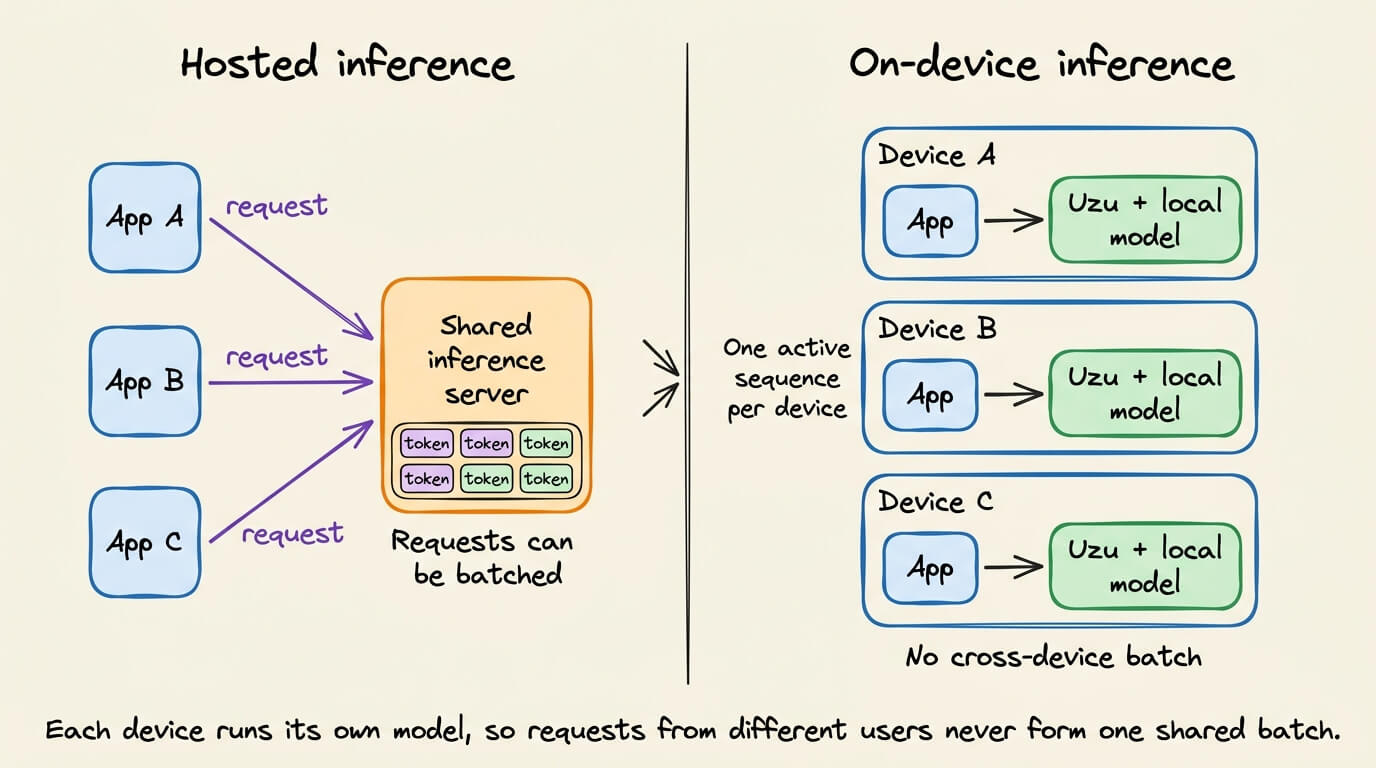
Uzu, Mirai's open-source engine, generated 92–117 tokens per second on a base M5 MacBook Pro with 4-bit Qwen3.…
clipref v0.2.0 is a command that takes text from the clipboard or standard input, writes it to a new file, and…
Running Claude Code sub-agents as company departments for about a year, the author found that only 4 of 11 — d…

