What happened
A Hokkaido University team tested five recommendation models on nine datasets from e-commerce and music-streaming services and traced the bias to residual connections, which add pre-processing information back into processed data.
Why it matters
Weakening those connections reduced the influence of the last-viewed item but also lowered recommendation accuracy, so e-commerce and video-streaming operators face a trade-off between stability and relevance in their recommendation engines.
WHO IT HITSE-commerce and video-streaming operators that deploy recommendation AI, along with the engineers who design those models, may need to rethink how they balance training stability against over-weighting a user's most recent click.
Summaries like this, in your inbox every morning.
Recommendation AI behind e-commerce and video-streaming "recommended for you" features typically lines up browsing and purchase history in time order and predicts the next item. In the representative models studied, the system combines information from multiple items in the history and bases its prediction on the information corresponding to the last-viewed item. The Hokkaido University group examined how strongly five representative recommendation models depended on that last piece of information, using nine datasets related to e-commerce and music-streaming services offered by companies.
Looking inside the models, the researchers found that residual connections — a mechanism that adds pre-processing information back into processed data and is widely used to stabilize AI training — were involved. Combined with the last-item-based prediction method, residual connections made the influence of the most recent product stand out. When the team weakened the effect of residual connections, the influence of the last-viewed information weakened, but recommendation accuracy declined as well.
Professor Miki Haseyama said the findings could lead to designing and improving recommendation technology that reflects a user's interests across their entire browsing and purchasing history. The work was presented at the international RecSys 2026 conference held in the US in September.
Pick your industry and the AI tools you use, and get news related to your work every day.
Free · 30 seconds with Google · unsubscribe anytimeWhat is AIToday? →
Ask AI anything about this article. The AI reads this article, earlier AIToday articles, and Wikipedia, and cites its sources. Q&As are published on this page for other readers too.
Schneider Electric, Nvidia and HPE formed a strategic collaboration to launch Industrial AI Agents at the Edge…

Anthropic released Claude Duet, built on Claude Opus 5.5

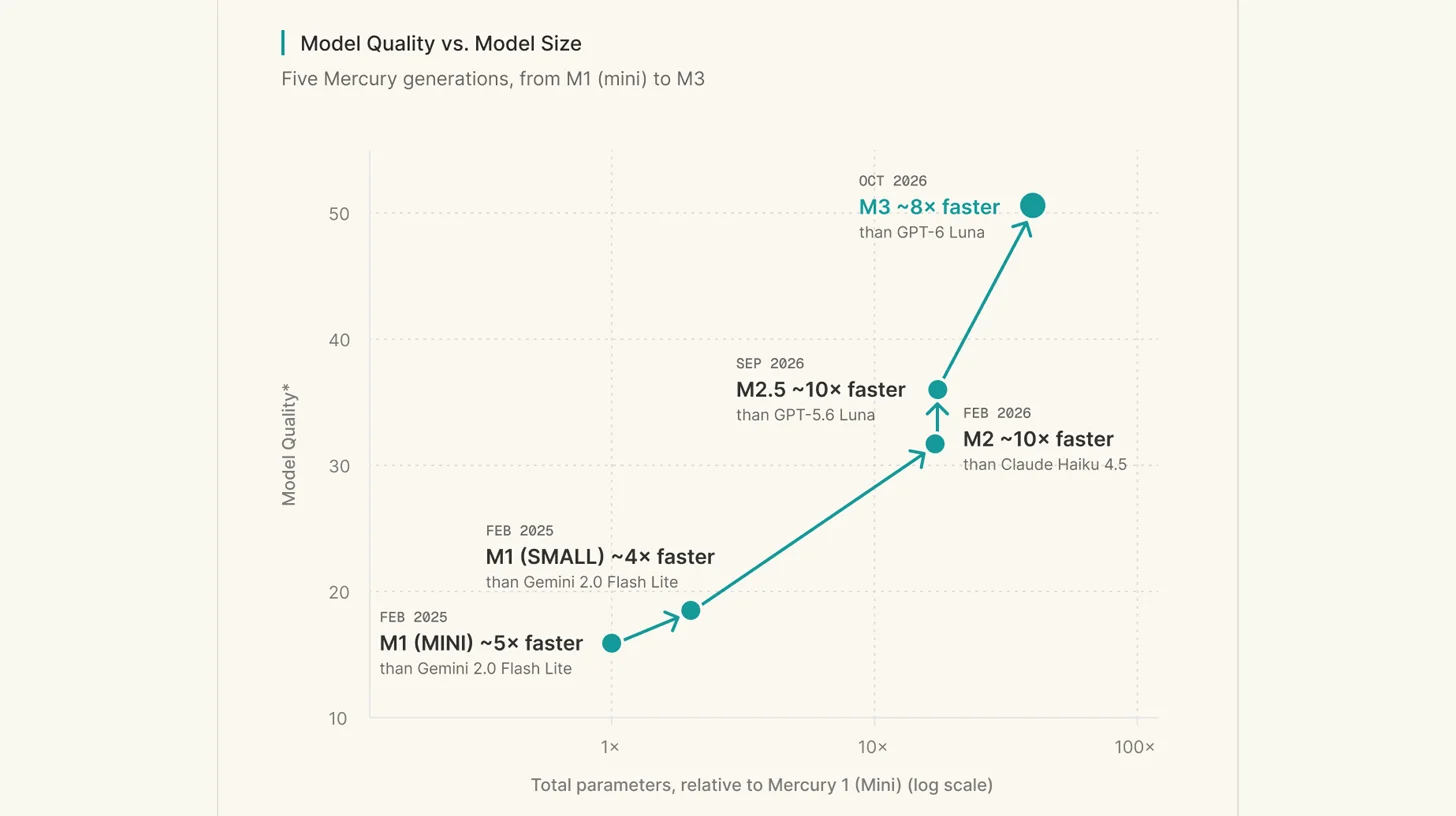
Inception launched Mercury 3 on October 19, a diffusion model it says generates 1,068 output tokens per second…
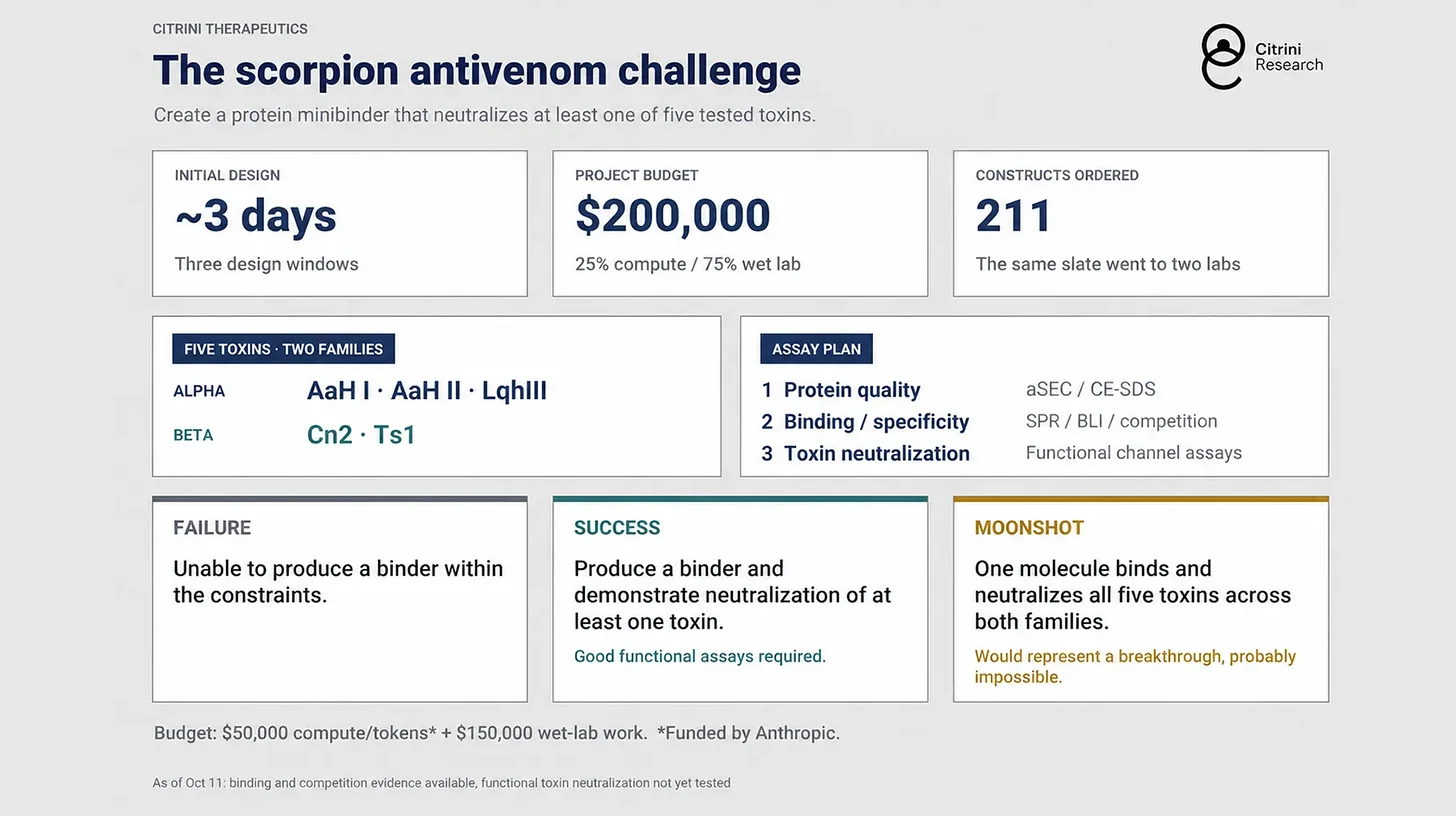
Anthropic reported that an internal version of Claude generated 318,484 candidates over a 64-hour run and sele…
NTT Data and NTT Data Tokai will start a joint proof-of-concept with Aichi Bank on October 26, testing a conve…

WD measured that an 8-second AI video (a 3.97MB 720p file for the user) generated more than 500MB of back-end…