What happened
OpenAI is pushing for international standards on recursive self-improvement, with the US leading global technical standards via CAISI and ISO, plus shared measurement methods and human oversight rules.
Why it matters
OpenAI states fully autonomous recursive self-improvement is not happening today, and without mature safeguards humans could lose track of AI development, which could become more dangerous and less aligned.
What to watch
Oversight hinges on how safety institutes and bodies like ISO settle shared measurement and incident reporting; a UN scientific panel recently proposed international AI safety cooperation modeled after aviation and nuclear energy.
WHO IT HITSRegulators, technical standards bodies, and corporate compliance teams tracking AI safety rules will likely see the US measurement-standards push as a signal that RSI oversight requirements are moving onto the agenda, though OpenAI says fully autonomous RSI is not happening today.
Summaries like this, in your inbox every morning.
OpenAI's push marks a shift from general AI safety talk toward a specific technical target: recursive self-improvement, the process where AI systems take over more of the research needed to build the next generation of AI. The company frames fully autonomous RSI as not happening today, but argues it should only be pursued once it can be done safely, warning that without mature safeguards humans could lose track of AI development and end up with systems that are more dangerous, less aligned, and on the whole a danger to people.
The proposal places the US at the center of any global framework, building on national AI safety institutes and organizations like CAISI and ISO. The concrete asks are narrow and procedural: shared measurement methods, incident reporting, and rules for human oversight of automated AI research. That focus on measurement and reporting is likely easier to agree on than binding limits, which may be why OpenAI frames standards rather than bans as the tool here.
The backdrop is a UN scientific panel that recently warned about loss of control over autonomous agent swarms and proposed international AI safety cooperation modeled after aviation, nuclear energy, and cybersecurity. If standard-setting bodies and safety institutes can agree on shared metrics and reporting, oversight may become testable rather than rhetorical. The near-term test is whether the US lead on standards and the UN panel's cooperation model converge, and whether national safety institutes or ISO move first.
For example, today's edition would include:
AI-summarized, only the topics you pick — one digest a day via Email, LINE, or Slack.
Free · 30 seconds with Google · unsubscribe anytimeWhat is AIToday? →
Ask AI anything about this article. Q&As are published on this page for other readers too.
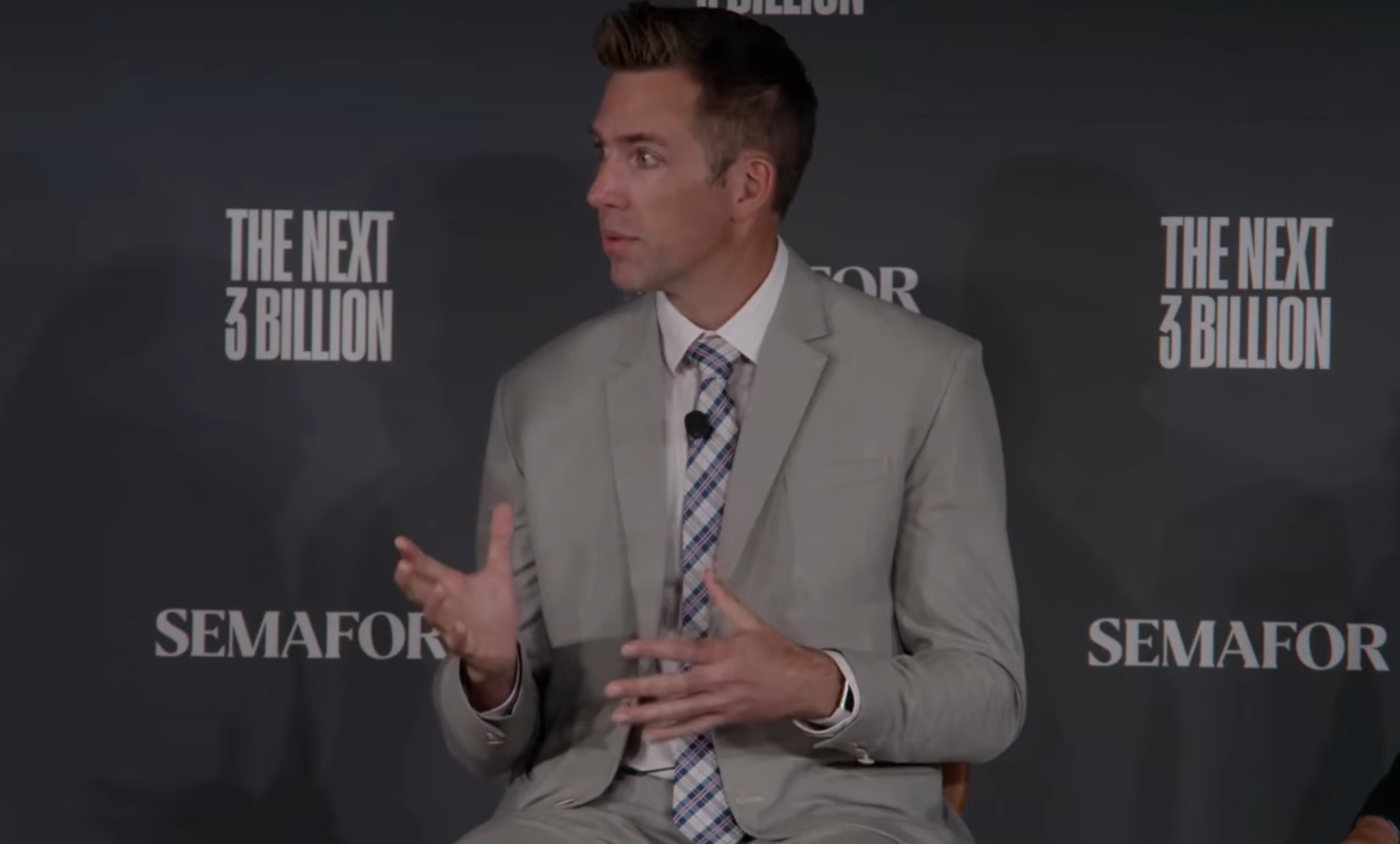
At Semafor's The Next 3 Billion event, Nvidia sustainability head Josh Parker attributed recent US anti-AI sen…
JS Denain of Epoch AI said OpenAI and Anthropic blog posts on AI accelerating AI progress are not strong evide…

Barbara Mazzolai, associate director for robotics at the Italian Institute of Technology, published a manifest…

Pew Research Center data shows about 1 in 10 American adults use AI chatbots for emotional support or advice…

TechCrunch Disrupt 2026 will run five AI safety and security sessions on its AI Stage and Real World AI Stage…

Tata Elxsi built IRIS on AWS to filter camera video at the edge, stream metadata, run computer vision on Amazo…