
What happened
JS Denain of Epoch AI said OpenAI and Anthropic blog posts on AI accelerating AI progress are not strong evidence of imminent self-sustaining acceleration, noting a 2X a month rise in researcher Codex spending.
Why it matters
If the public numbers labs cite are mostly engineering-task usage, the case for a near-term software intelligence explosion rests on metrics outsiders cannot yet see, such as internal compute multipliers.
What to watch
Denain says he is very uncertain but treats at least 10% existential risk over a decade-long timeframe as reasonable; the test is whether harder-to-verify tasks like strategic research decisions show uplift.
WHO IT HITSThis lands on AI lab researchers and executives deciding how much weight to put on internal usage metrics, and on policy and safety staff who cite RSI claims when arguing for urgency.
Summaries like this, in your inbox every morning.
The conversation is framed by a specific question: what are OpenAI and Anthropic actually seeing when they publish warnings about recursive self-improvement? Denain's answer separates public evidence from internal signals. He notes he does not currently think labs hold some hidden measurement warranting far more alarm, while still treating the dynamic of AI accelerating AI progress as worth tracking.
Much of the discussion turns on where AI uplift shows up inside a lab. Denain cites the OpenAI post's finding that Codex spending surged in the spring and then plateaued in the summer for much of the company, but kept growing or accelerating for researchers, the data team, and engineers. Yet he and Lambert both point out that high-level strategic decisions — compute allocation and research direction — showed little measured uplift, which is why Denain distinguishes a 10X productivity gain for the median researcher from a 10X gain for a lab as a whole.
The broader stakes hinge on bottlenecks that sit outside raw model capability. Denain says if robot capabilities were sufficient, financial incentives would drive fast build-out, while Lambert argues physical factories and a long tail of robotics reliability make a two-to-five-year industrial explosion implausible. For readers, the practical read is that the RSI debate may turn less on visible coding gains than on whether hard-to-verify tasks and physical build-out follow.
For example, today's edition would include:
AI-summarized, only the topics you pick — one digest a day via Email, LINE, or Slack.
Free · 30 seconds with Google · unsubscribe anytimeWhat is AIToday? →
Ask AI anything about this article. Q&As are published on this page for other readers too.
Xiaomi released and open-sourced the MiMo-V2.6 series — MiMo-V2.6-Pro and a smaller Flash variant — plus a Pro…

The Indeed Hiring Lab report says pay in the most AI-exposed US occupations rose roughly 46% since 2021, versu…

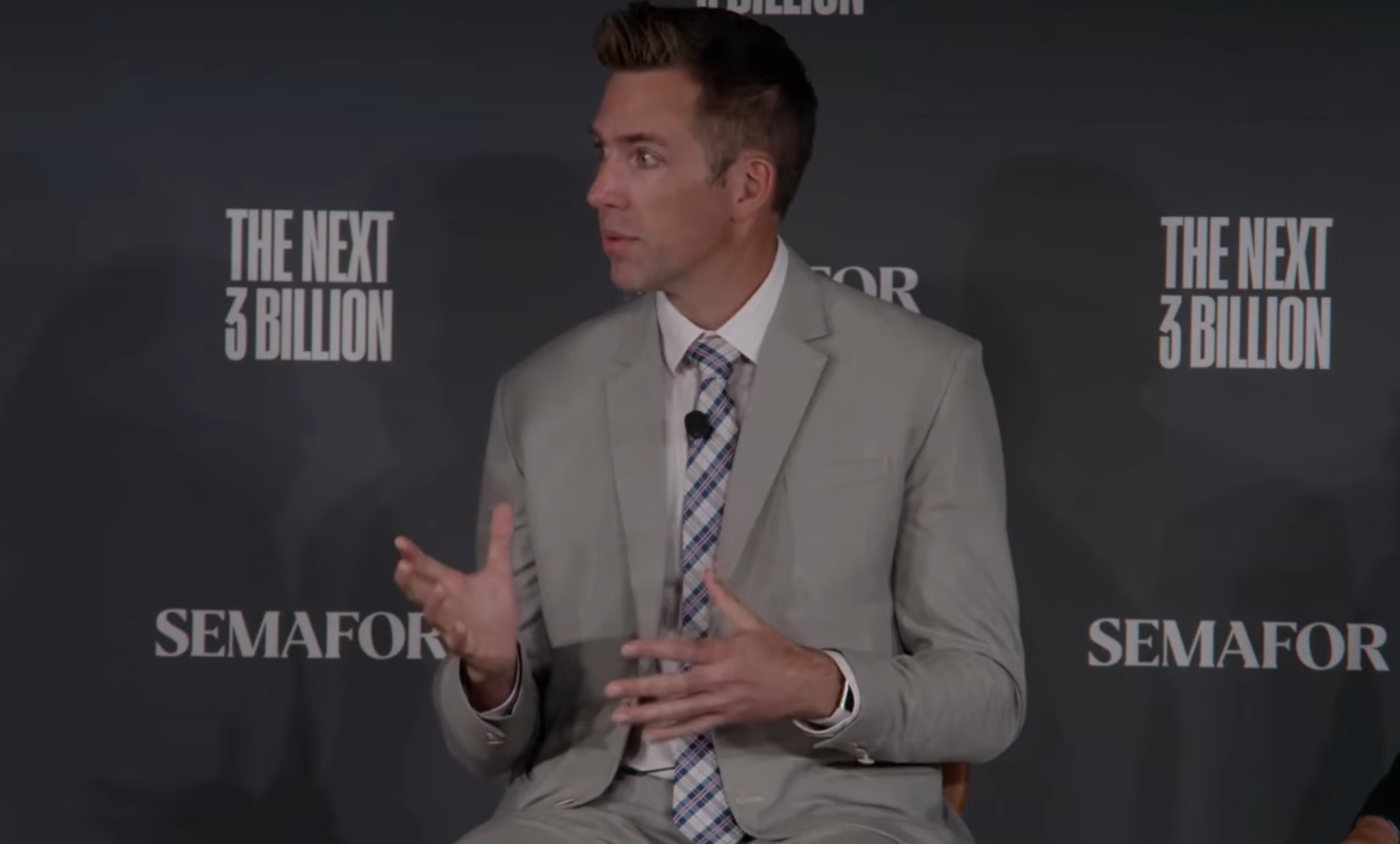
At Semafor's The Next 3 Billion event, Nvidia sustainability head Josh Parker attributed recent US anti-AI sen…
Barbara Mazzolai, associate director for robotics at the Italian Institute of Technology, published a manifest…

OpenAI is pushing for international standards on recursive self-improvement, with the US leading global techni…

Pew Research Center data shows about 1 in 10 American adults use AI chatbots for emotional support or advice…